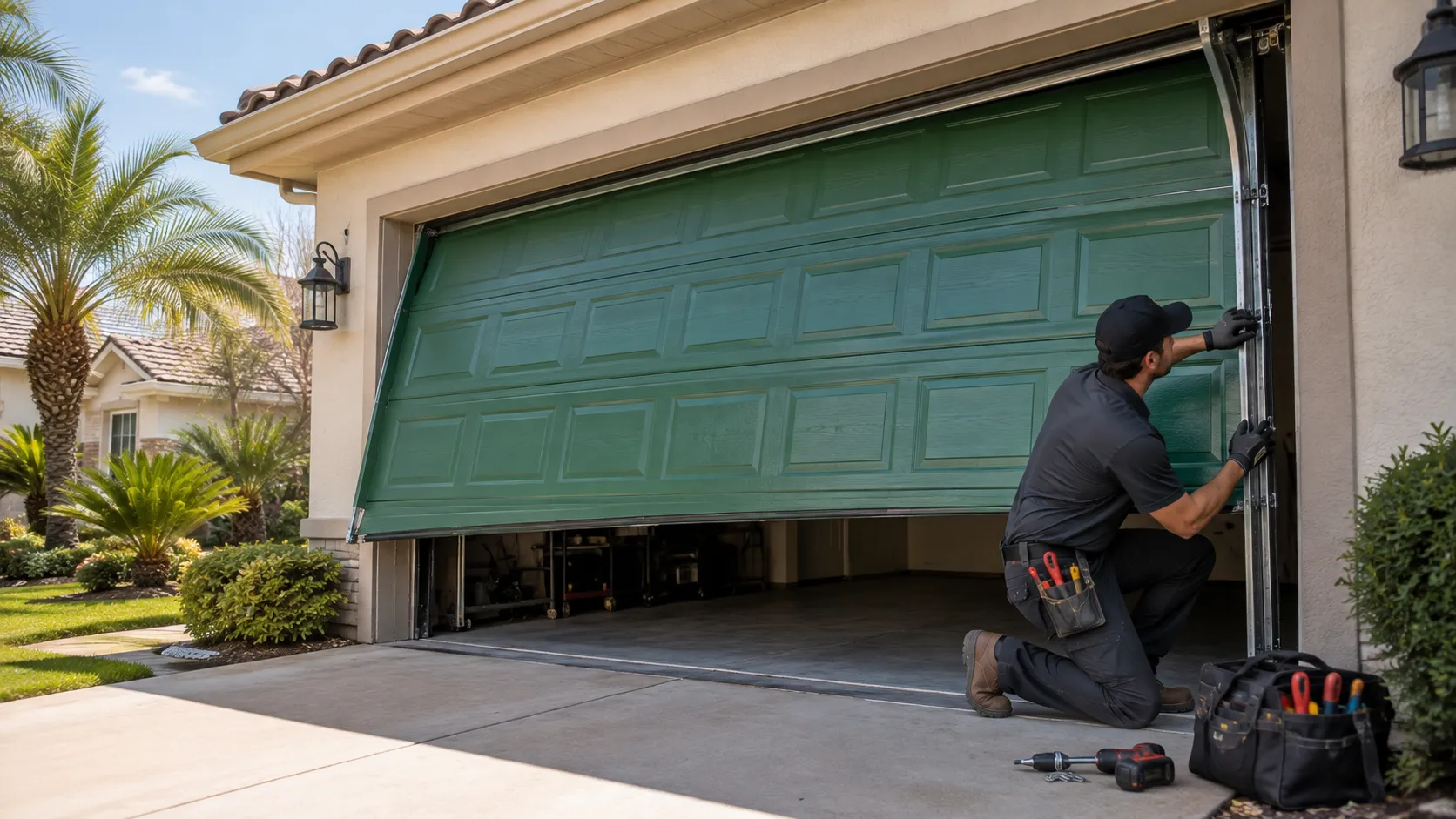
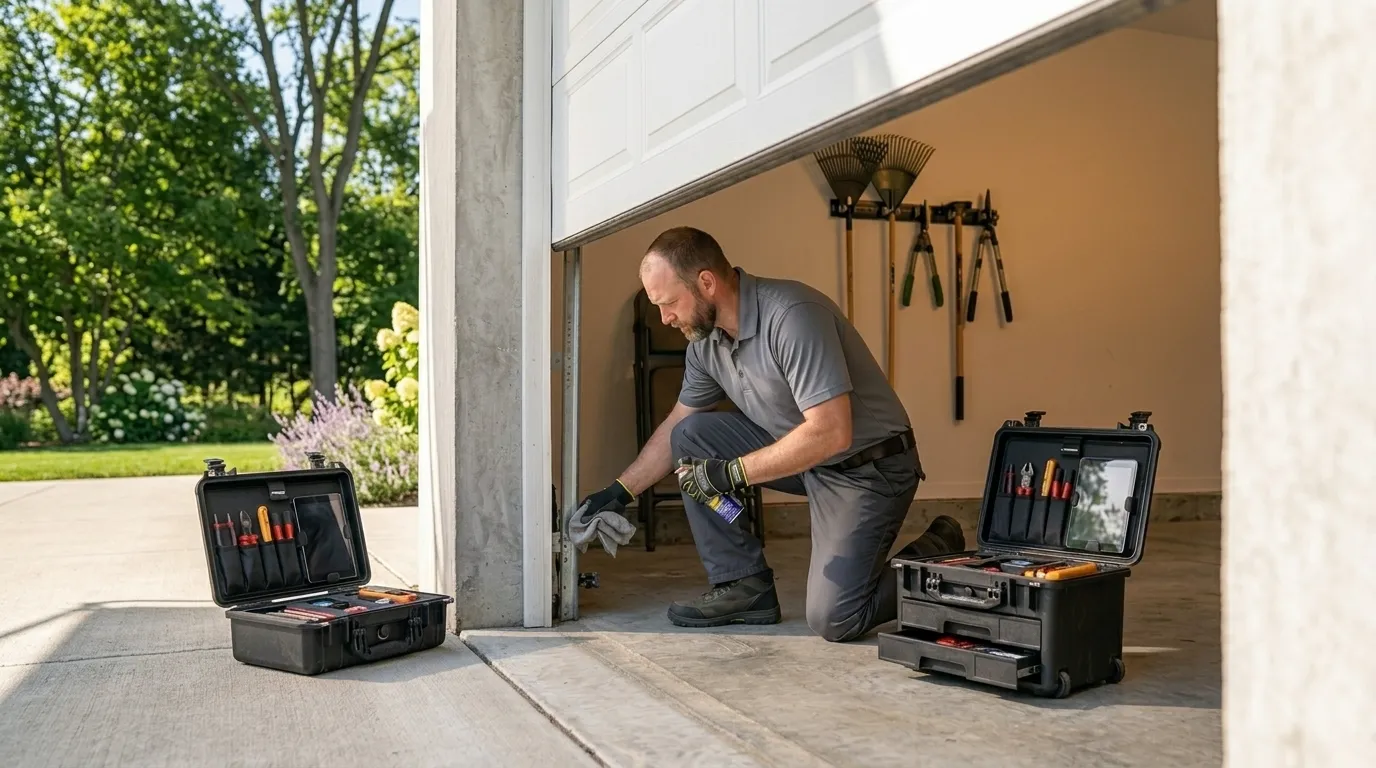
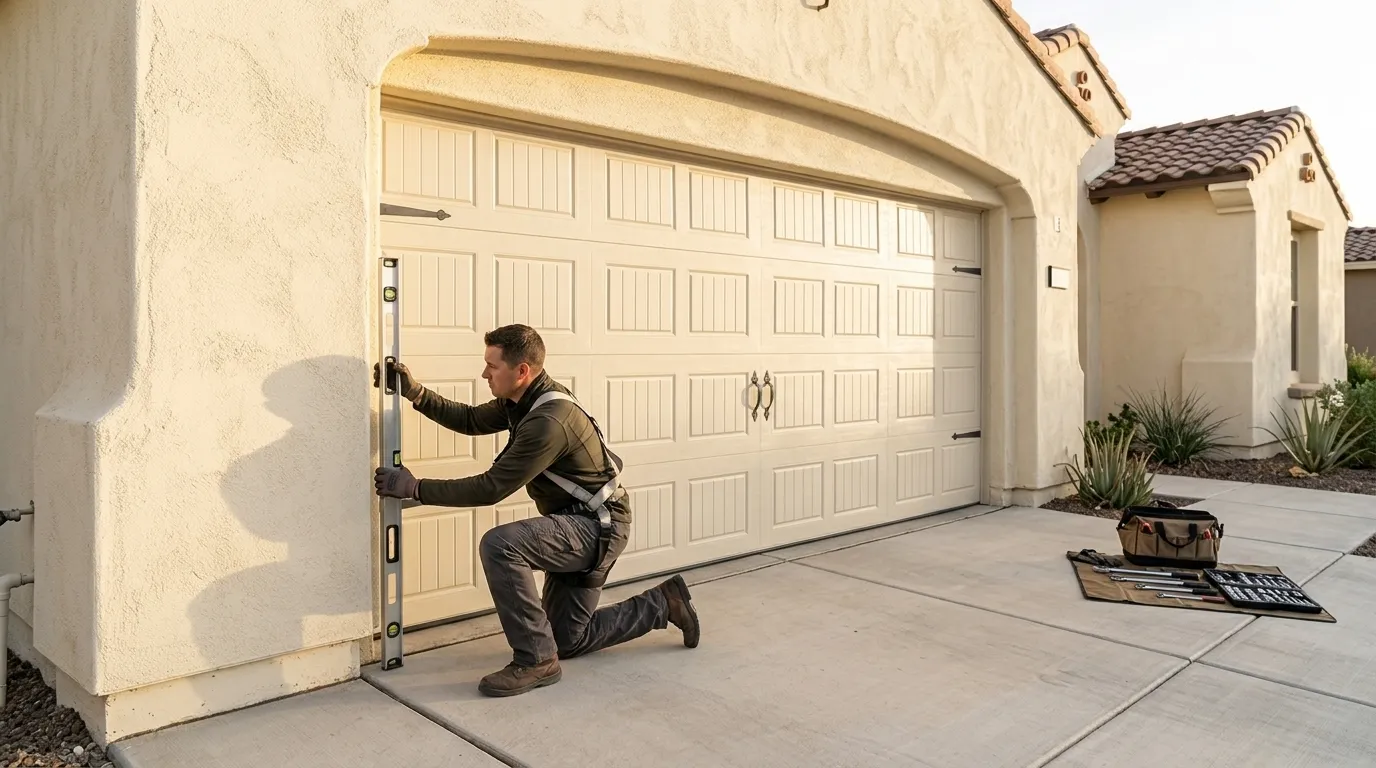
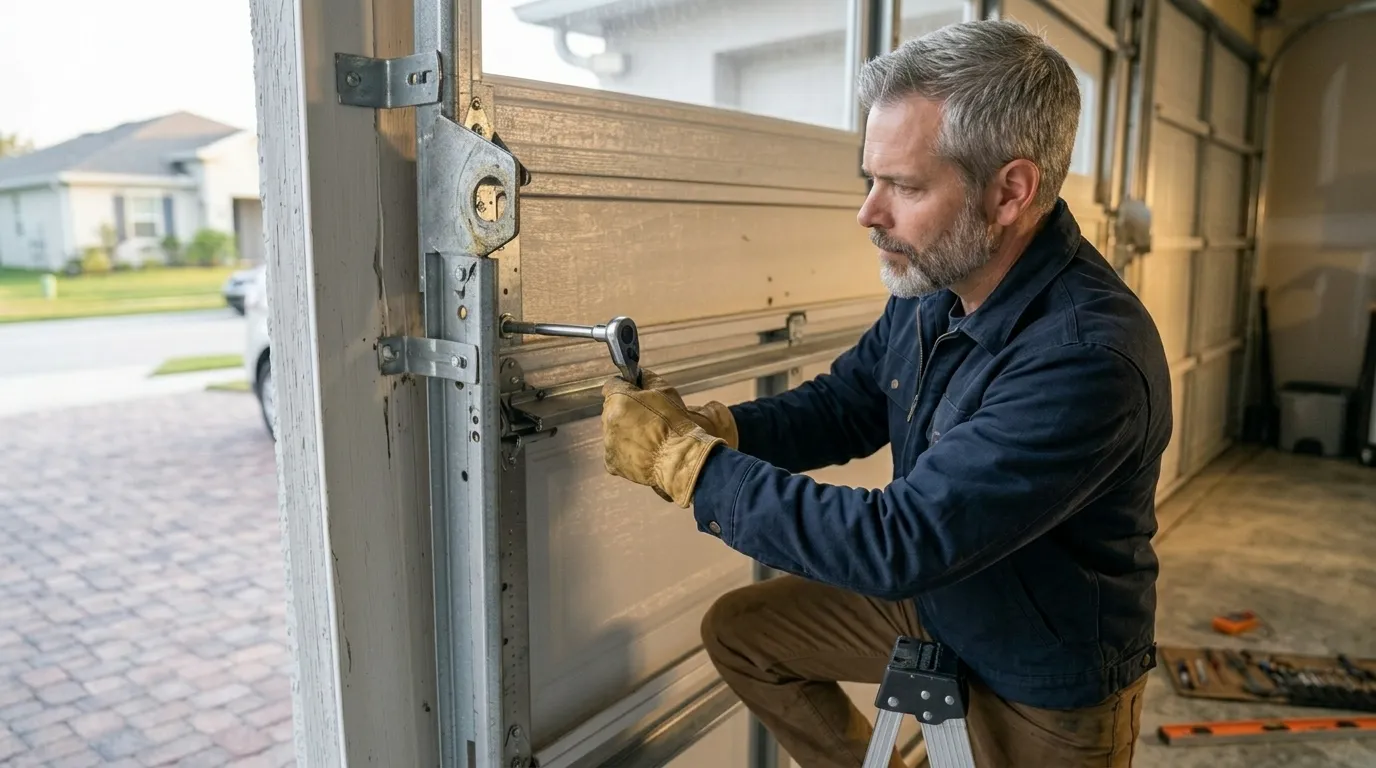
Garage door repair for Laguna Vista, TX, 12 miles from Brownsville. Built mostly after 2001, this town's doors and openers fail differently than older stock.
Laguna Vista sits about 12 miles out from Brownsville, which is the number that shapes how a repair call here actually runs. It's not a same-neighborhood hop - a tech has to load the truck with the right spring size and opener parts before leaving, because there's no depot nearby to run back to if the first guess on hardware is wrong. That means the phone call matters more here than it would somewhere five minutes away. Tell us the symptom clearly - door won't budge, opener hums but nothing moves, door drops fast on one side - and we can load for it. Get the diagnosis wrong over the phone and the trip out costs you real time, not just a few minutes. We don't run a branch in Laguna Vista and won't pretend otherwise. What we can do is treat that 12-mile stretch as part of the job, not an afterthought, and stock the truck for the hardware that actually shows up in houses built here rather than guessing at whatever's common in older Brownsville stock.
Can You Do This Yourself
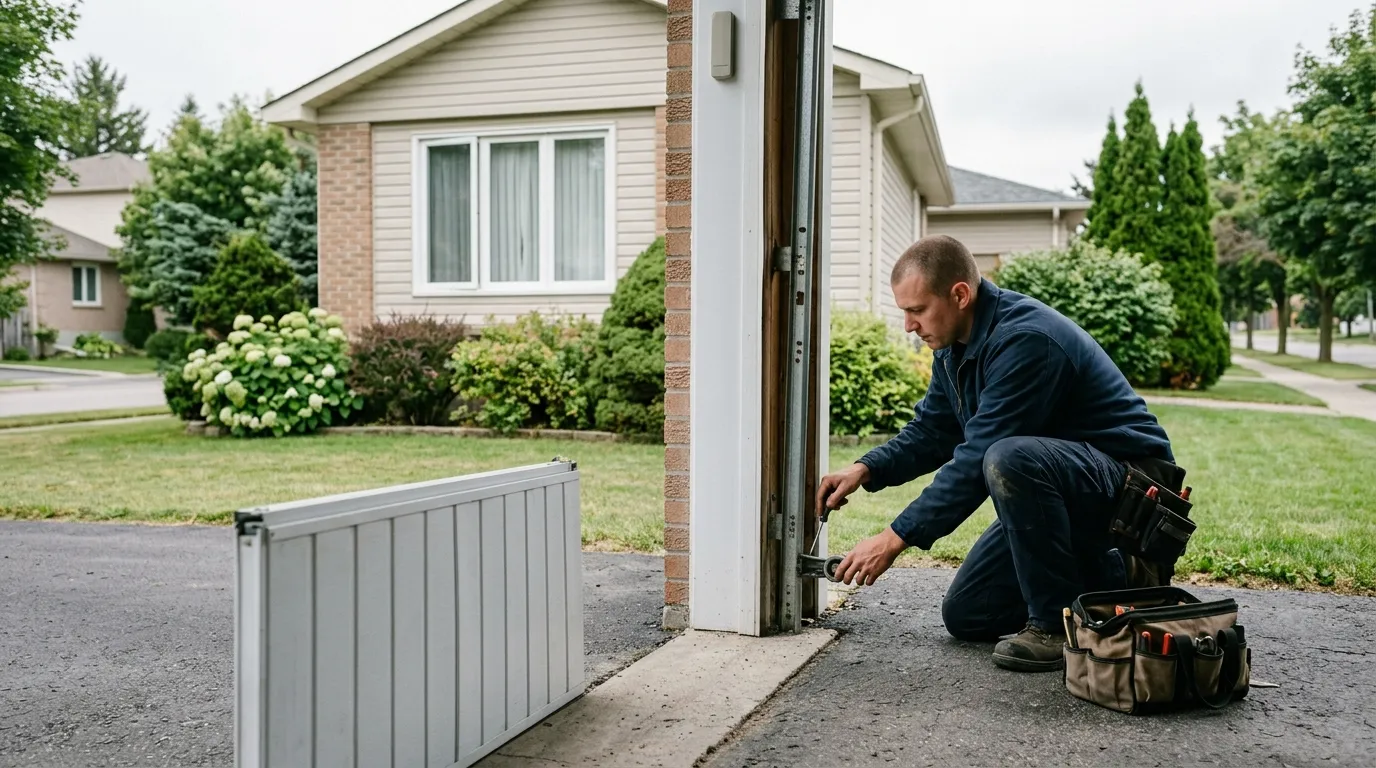
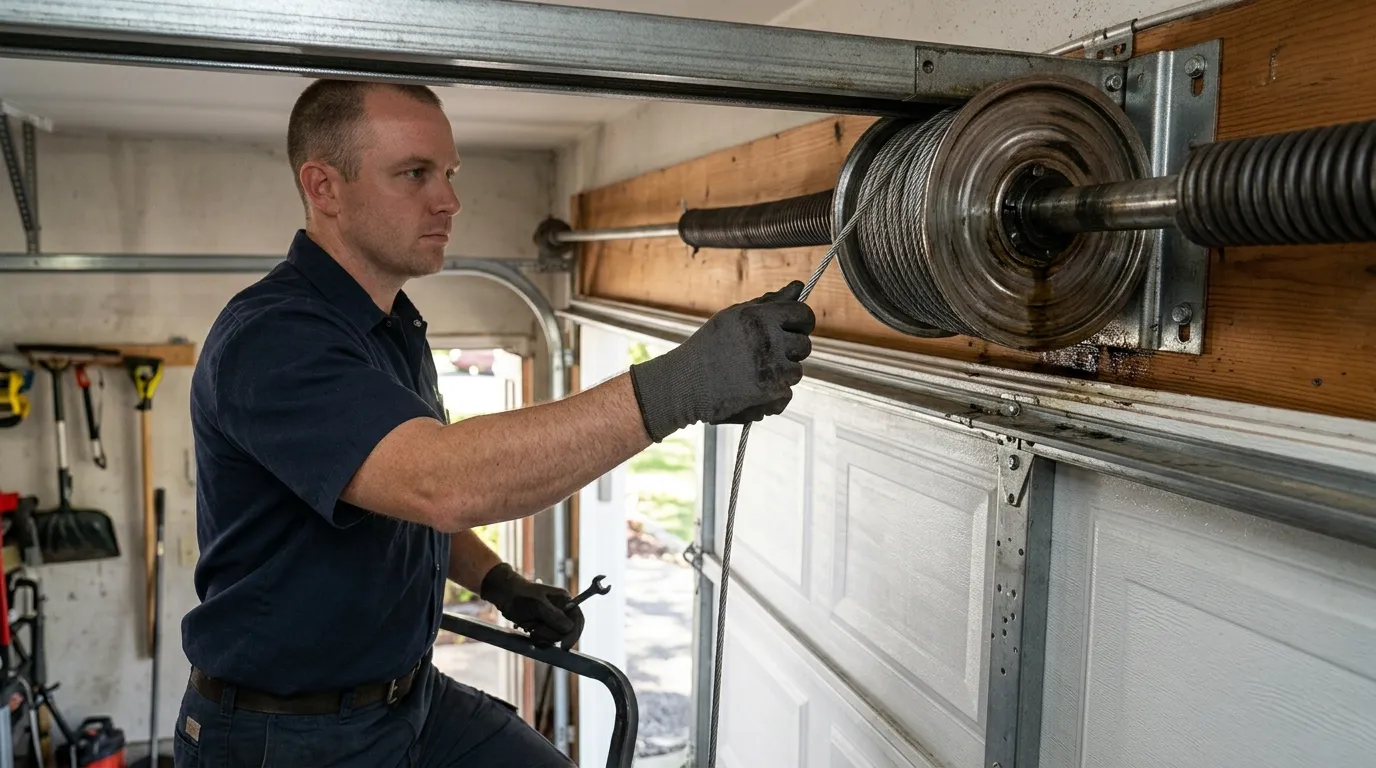
Laguna Vista's housing mostly went up after 2001, which is late compared to a lot of the wider service area (median build year 1986 across the region). That later build date matters for DIY: newer doors here are more likely running factory torsion springs and mid-2000s opener logic boards rather than the older extension-spring, side-mount setups you'd find on 1980s stock. That's actually good news if you're handy - newer hardware is more standardized, and things like remote programming or a sensor realignment are reasonable weekend jobs. What isn't reasonable is the spring itself. A wound torsion spring under load will put someone in the ER if the winding bars slip, regardless of what decade the door was built. Track alignment and roller swaps are also doable with patience. Anything involving the spring, the cable, or the torsion tube stays a call-in job.
What You Pay
Laguna Vista's median household income runs $63,191, noticeably higher than the roughly $55,387 median across the broader service area. That gap doesn't change what a spring or opener costs - parts are parts - but it does mean the calculus on repair versus replace tips differently here than in some of the older, lower-income pockets we cover. A homeowner in a house built in 2001 with a mid-grade opener is often better served replacing a failing logic board outright rather than nursing a 20-plus-year-old unit along, where in an older, lower-value property stretching the old door another few years makes more financial sense. We'll give you the real number for the actual part in front of us - we're not going to publish a rate card here that ignores what's actually broken.
What Can Go Wrong
Because most of Laguna Vista's housing dates to 2001 or later, the common failures skew toward opener electronics and factory torsion springs losing tension after fifteen-plus years, rather than the seized side-mount hardware and rusted extension springs you find in older 1980s builds. Circuit boards in openers from the early 2000s are now old enough to fail outright - capacitors dry out, logic boards stop reading the wall button - and that's a different repair than a mechanical spring snap. Cable fraying and roller wear still happen regardless of build year; humidity and heat cycling wear those parts down everywhere in this climate band. What we don't see much of here is the seized, decades-old torsion tube that's common on much older stock elsewhere in the service area - the doors just aren't old enough yet for that particular failure to show up in numbers.
What the Repair Takes
A torsion spring swap on a door from this era usually runs under two hours once the tech is on site with the right spring size loaded - the standardized hardware in post-2000 construction makes that part faster than guessing at older, inconsistent side-mount setups. An opener board or logic failure takes longer to diagnose than to fix once we know what's wrong, since testing the circuit and confirming it's the board and not the sensor eats the clock. Cable and roller work is usually the quickest visit. The one honest limitation: if a part is discontinued or unusual - some early-2000s openers used proprietary boards that manufacturers no longer stock - we may need to order it, and that adds days, not hours. We'll tell you straight if that's the case rather than quoting a same-day fix we can't back up.
How it works
From “it’s stuck” to “it’s fixed”
01
Tell us what’s wrong
Describe the symptom - won’t open, loud bang, opener runs but the door won’t move.
02
On-site diagnosis
A technician tests the door under power and by hand and finds what actually failed.
03
Clear, up-front plan
You get the fix that’s needed and what drives the cost - before any work starts.
04
Repaired & tested
The repair is done, the door is set true and tested, and the work area left clean.
Serving Brownsville, TX - tell us what your door’s doing and we’ll take it from there.
Straight answers about garage door repair in Brownsville. Still unsure? Ask us directly.
How far is Brownsville Garage Door Pros from Laguna Vista?
About 12 miles. We travel from Brownsville for every call here - there's no local branch - so it helps to describe the problem clearly on the phone so the tech loads the right spring size and parts before making the drive out.
Are Laguna Vista garage doors older or newer than the rest of the area?
Newer. Most of the region's housing dates to the 1980s and 90s, with a median build year around 1986, but Laguna Vista's housing mostly went up after 2001. That means factory torsion springs and mid-2000s opener boards, not the older side-mount hardware common elsewhere.
Is it worth repairing an opener from a 2001-era house or replacing it?
Depends what's failed. A dead logic board on a 20-plus-year-old opener is often cheaper to replace outright than repair, especially with Laguna Vista's higher median income supporting that choice. A simple sensor or remote issue is usually worth just fixing.