
Do you have a location in Rancho Viejo?
No. We're based in Brownsville and drive out to Rancho Viejo, about 7 miles away. It doesn't add meaningful time to scheduling, but we want to be upfront that we're not a local depot.
Garage door repair and install for Rancho Viejo homes built mostly in the mid-1980s. Brownsville Garage Door Pros drives out for springs, openers, and panel work.
Each of these covers what the work involves for Rancho Viejo specifically - the housing stock, the common failures, and what drives the cost.
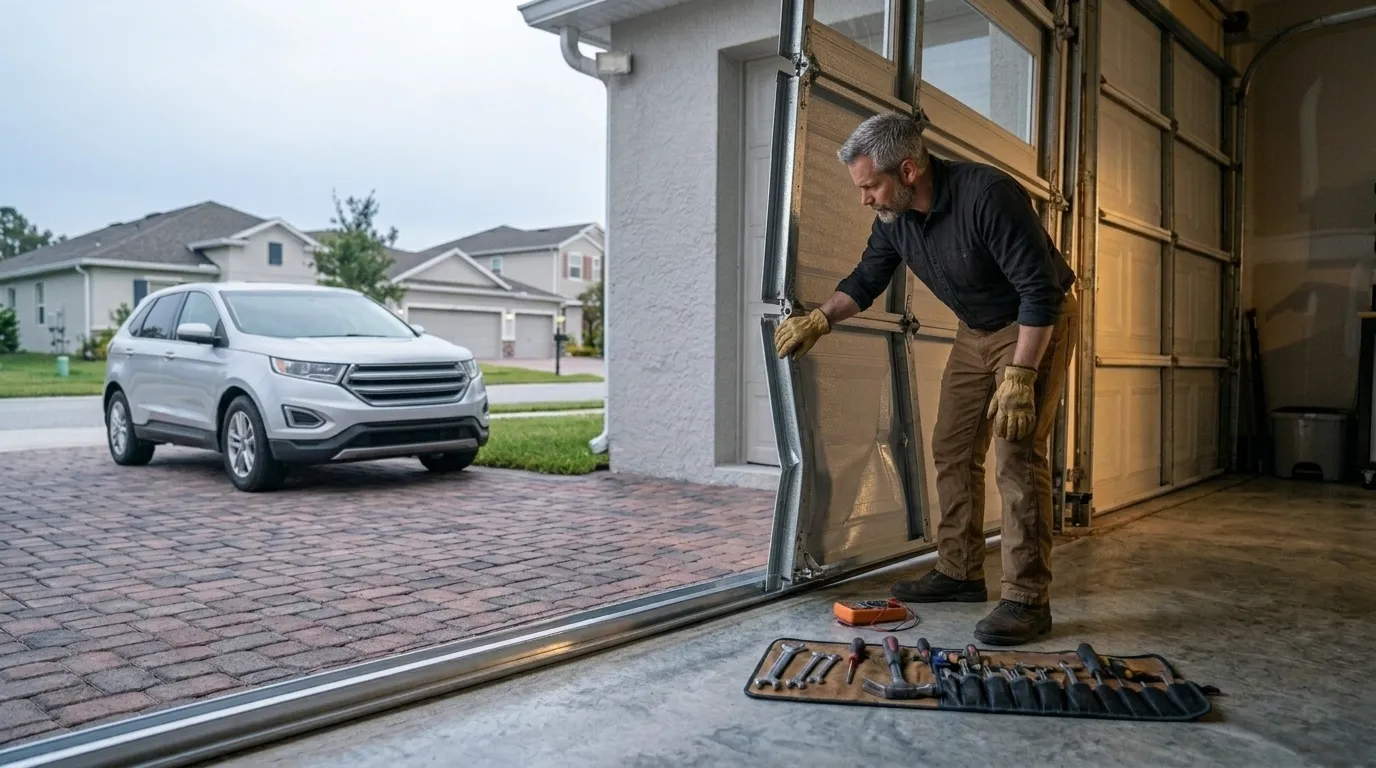
Rancho Viejo homes date mostly to the mid-1980s. Here's what that means for spring wear, opener age, and what a repair actually costs to fix right.
Learn more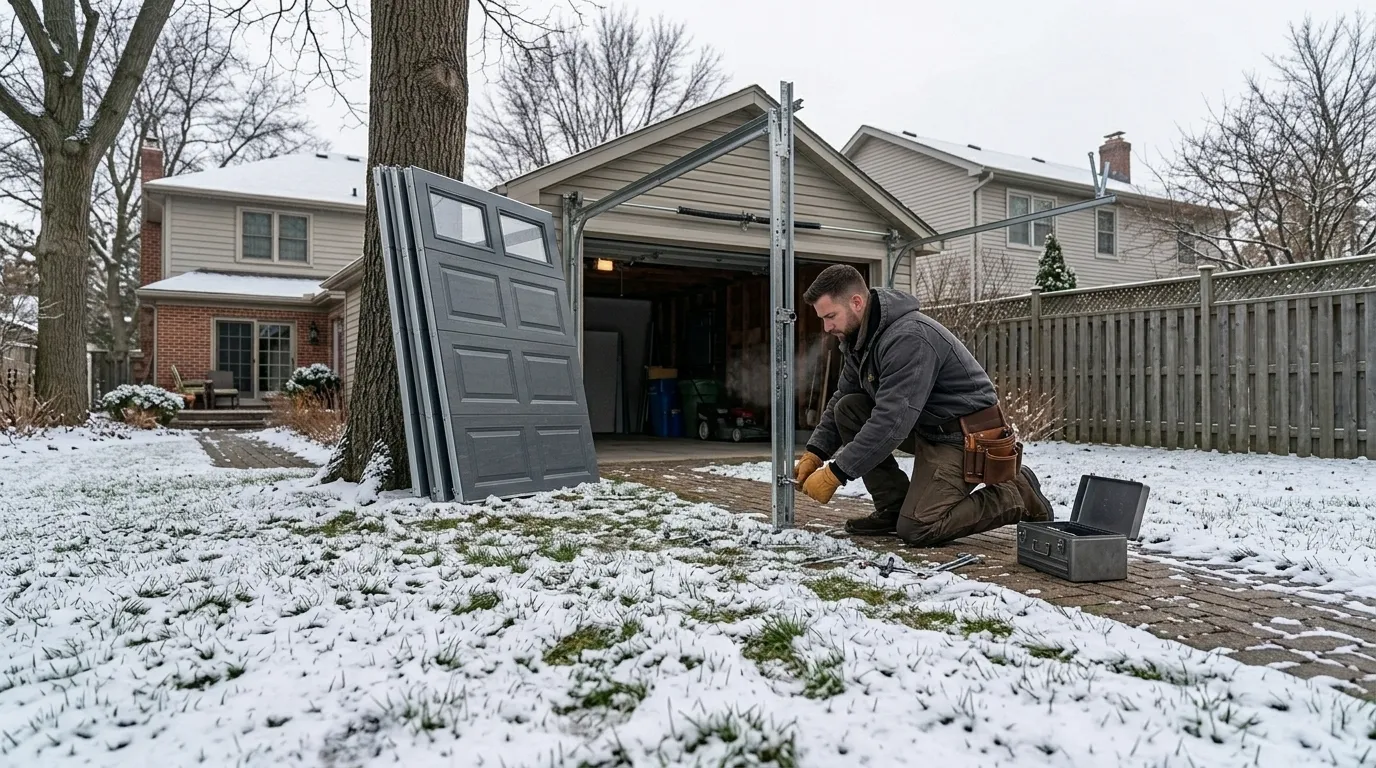
Rancho Viejo homes date to about 1984 with original steel doors and light-duty openers. See what a new installation costs and involves for this pocket of the service area.
Learn more
Rancho Viejo homes date to the mid-1980s, mostly steel doors on original hardware. Brownsville Garage Door Pros drives out 7 miles for repairs and tune-ups.
Learn more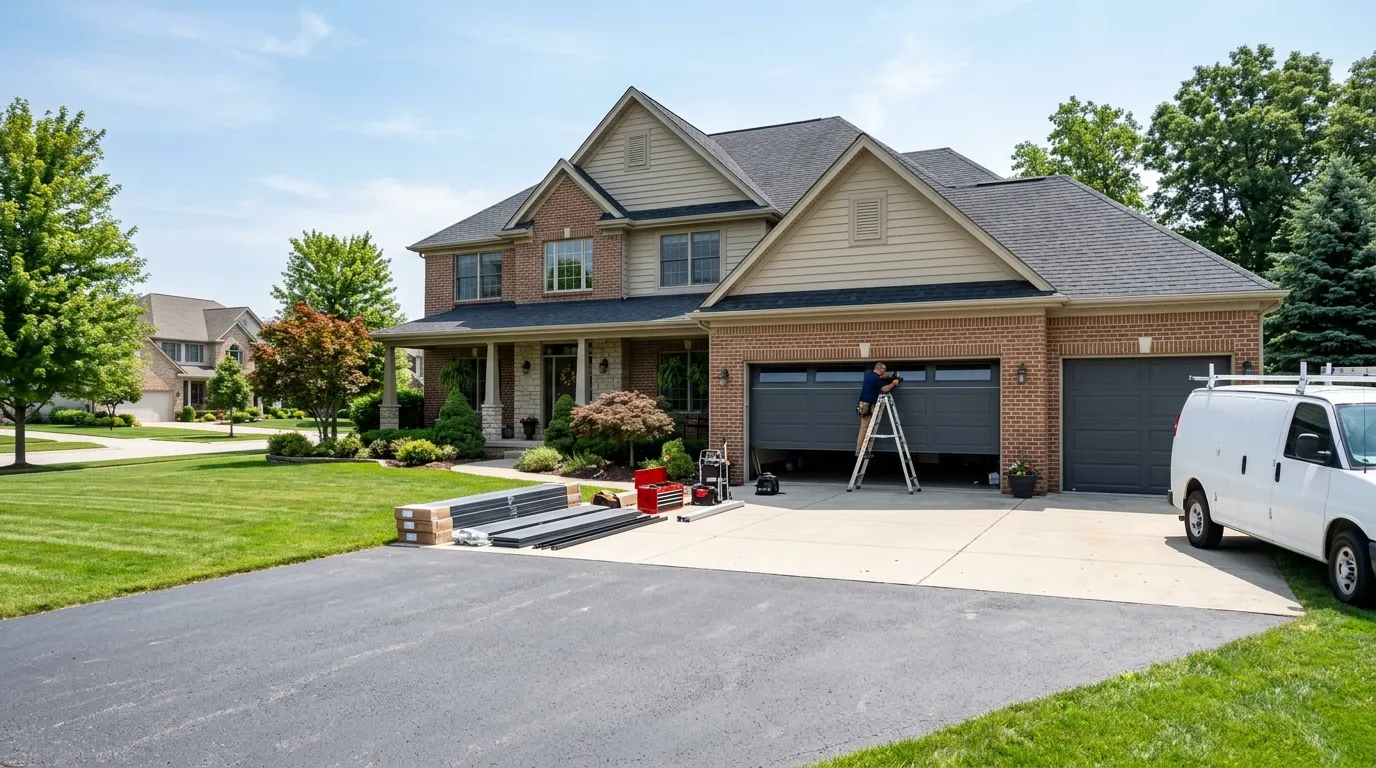
Rancho Viejo homes date to about 1984, a shade older than the wider service area. We install openers matched to that hardware, traveling the 7 miles from Brownsville.
Learn more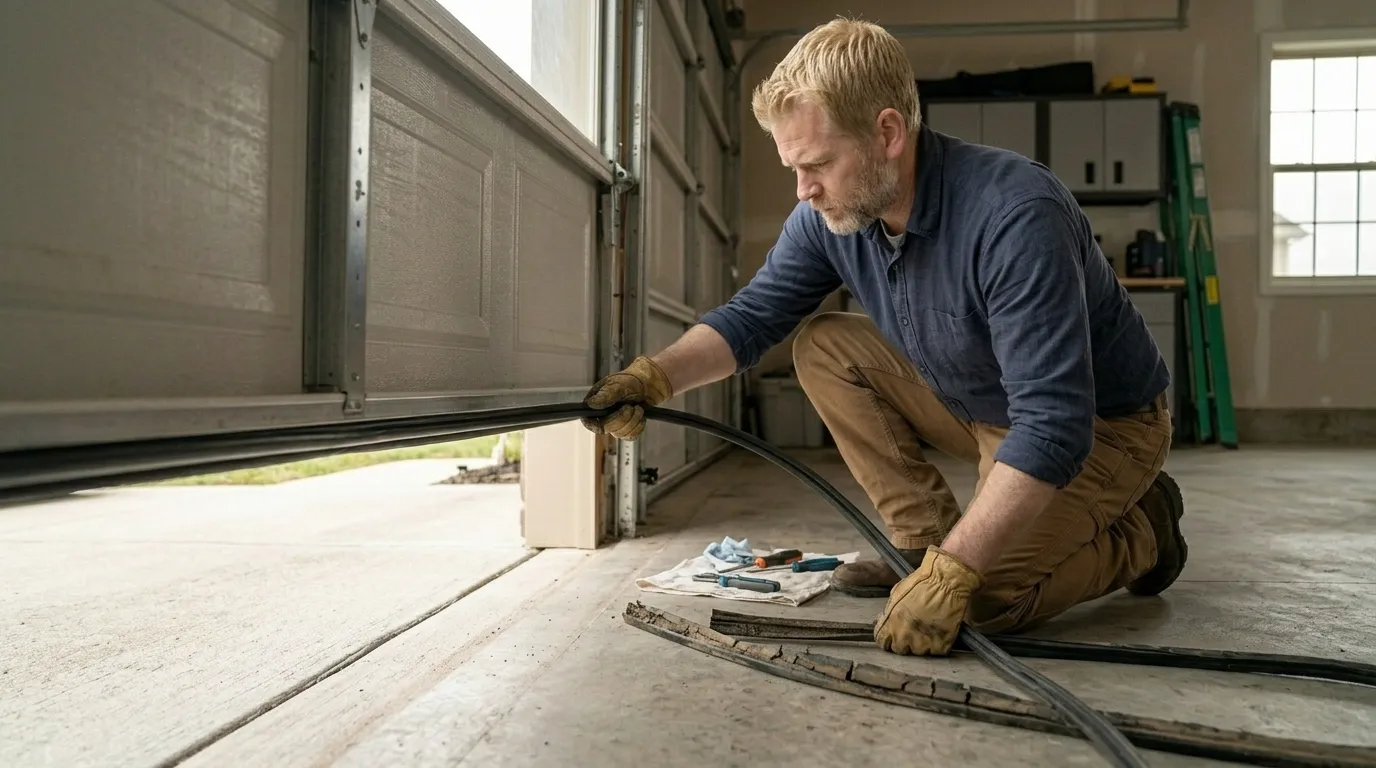
Cable repair for Rancho Viejo's 1980s-era garages, covered from Brownsville seven miles away. Torsion and extension cable service matched to this suburb's hardware.
Learn more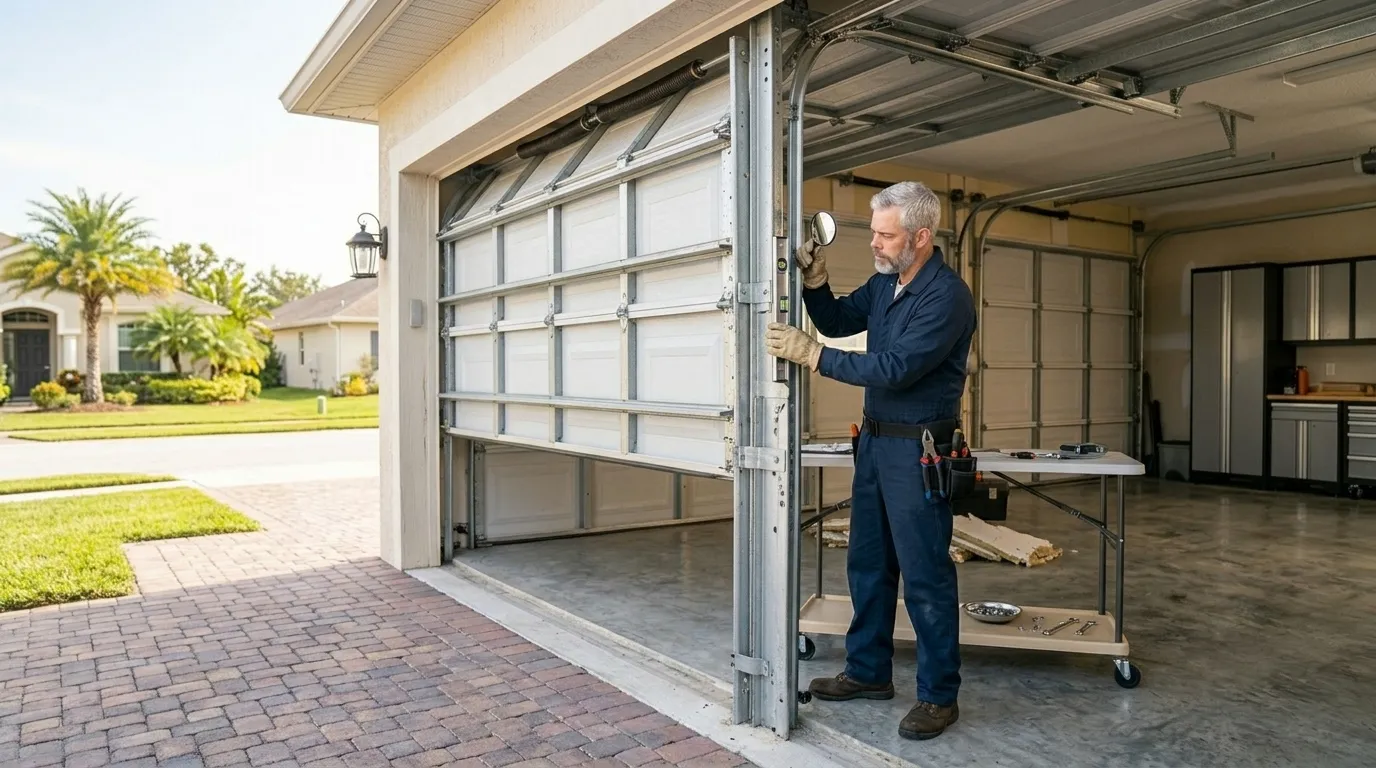
Panel replacement for Rancho Viejo's mid-1980s garage doors, where discontinued steel profiles mean matching a section is often harder than replacing the whole door.
Learn more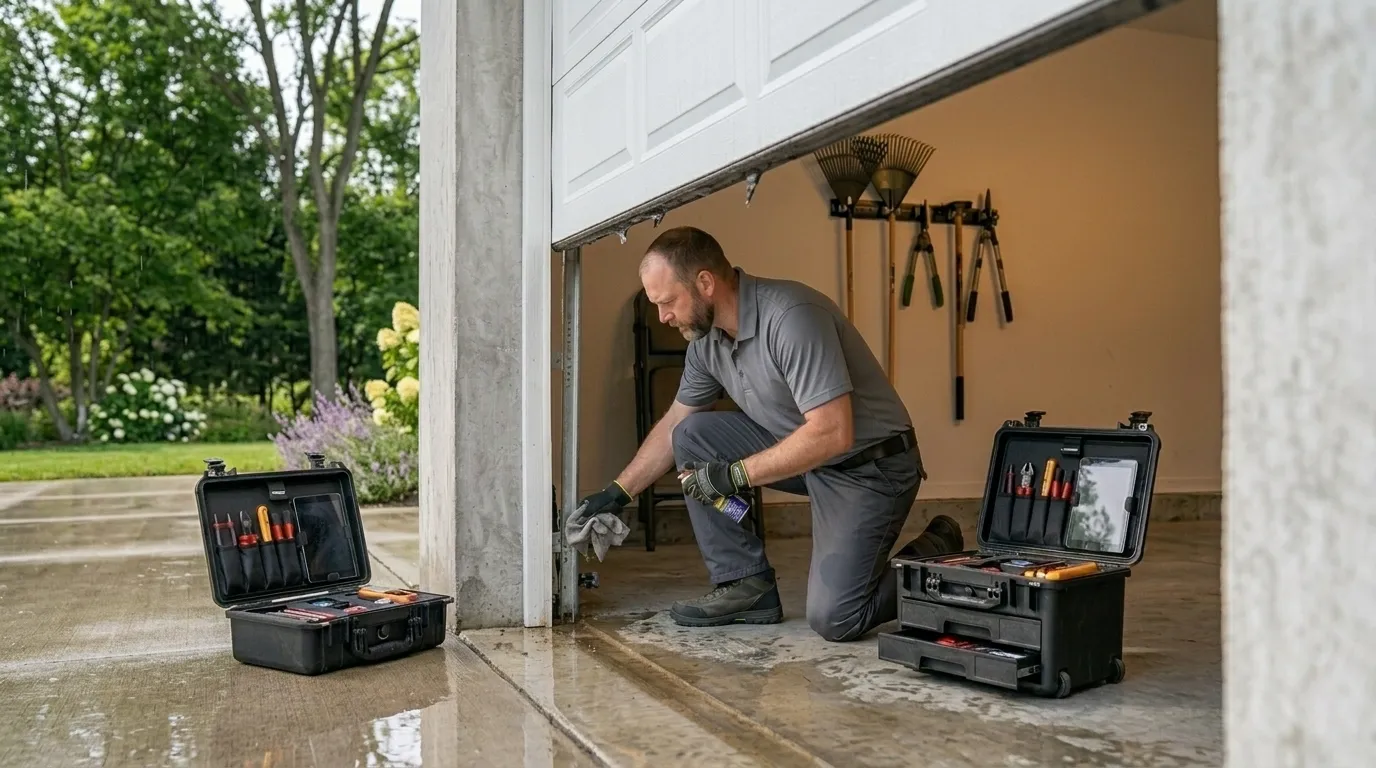
Rancho Viejo homes date to 1984 on average, higher incomes than the wider service area shift the repair-or-replace math. Maintenance calls run from our Brownsville shop.
Learn more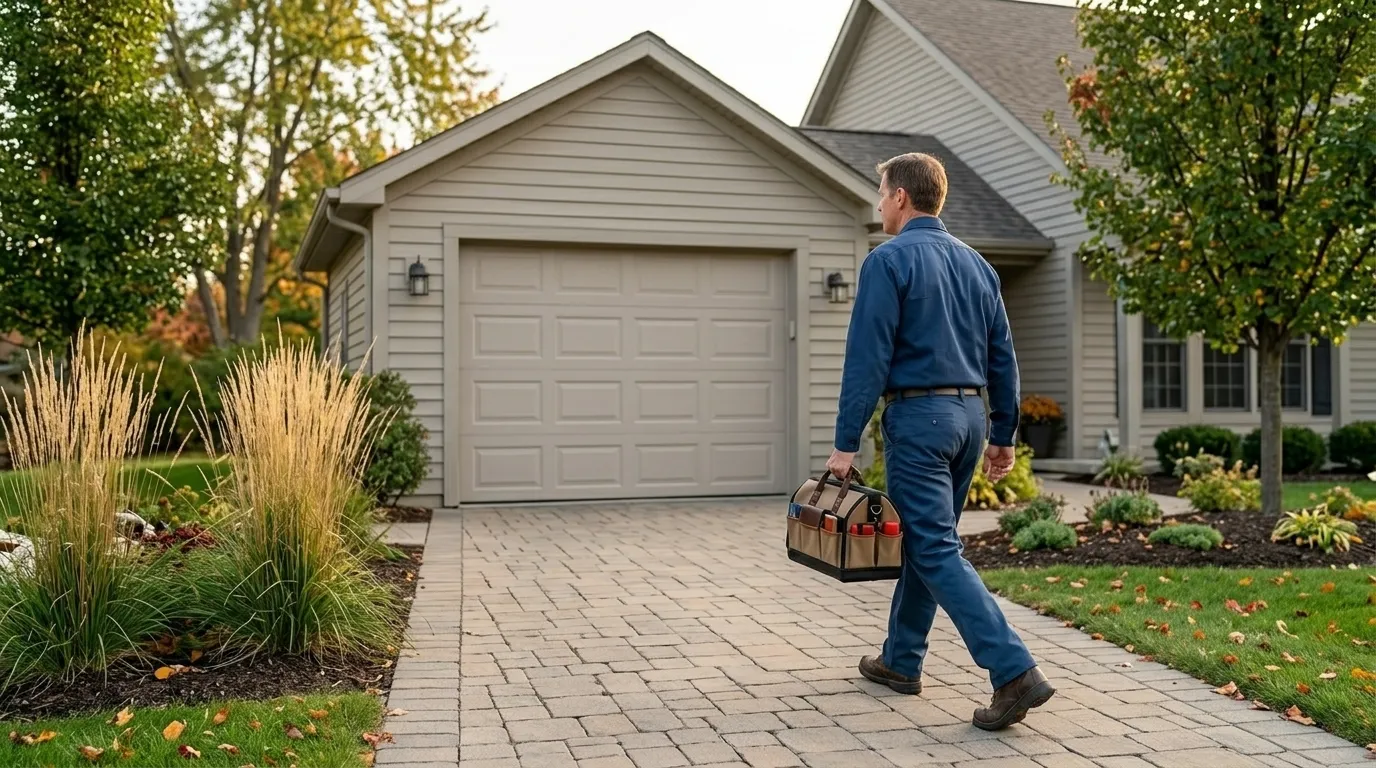
Rancho Viejo's 1,109 households sit on 1980s-built lots 7 miles from Brownsville. Broken springs, stuck openers, off-track doors - fixed on the same visit.
Learn moreRancho Viejo's housing stock centers on a median build year of 1984, which puts it a couple of years ahead of the wider service area's 1986 median. That gap matters more than it sounds. Doors and openers installed in 1983 and 1984 are old enough that a lot of the original torsion hardware has already been swapped once by a previous owner, sometimes with parts that don't match the door's actual weight. On the streets built closer to the late 1980s and into the 1990s, you'll see more of the extension-spring setups that were standard for that stretch, along with early chain-drive openers that are now well past a normal service life. Neither era is uniform, and a handful of newer builds sit inside the same subdivisions, so we don't assume anything about a house's hardware just from its street. What we do assume is that if your home dates to the earlier end of that range, the springs, cables, and rollers are more likely to be a mismatched patchwork rather than a factory-matched set, and that changes how we diagnose a noisy or slow-moving door before we touch anything.
With roughly 1,109 households and a median income of $83,512, Rancho Viejo sits noticeably higher on the income side than the broader area's $55,387 median. That tends to show up in the doors themselves - more insulated steel panels, more openers with battery backup and rolling-code keypads added on as upgrades over the years, rather than the bare minimum builder-grade unit left untouched since installation. It doesn't mean the underlying hardware is newer than the 1984 median build year suggests; a homeowner who's invested in a nicer opener may still be running the original torsion spring and drums from the day the house went up. We see that combination often enough in this kind of area: a well-kept house with one aging, overdue system tucked in the garage that nobody's thought about since the last time it made a bad noise.
A house built around 1984 is now past 40 years old, and garage door hardware doesn't last that long without attention. Torsion springs are rated in cycles, not years, and a spring installed when the house was framed has almost certainly been through more open-close cycles than its rated life allows, even if it hasn't broken yet. The most common calls we'd expect from a Rancho Viejo address are worn or mismatched torsion springs, cables starting to fray at the drum, and rollers that were never upgraded from the original steel to nylon. Openers from that era, if still in place, are usually chain-drive units without modern safety reversal sensors, which is a real safety gap, not just an inconvenience. We'll tell you straight if a repair on a door that old is throwing good money after bad - sometimes replacing the whole unit costs less over time than patching a 40-year-old system piece by piece.
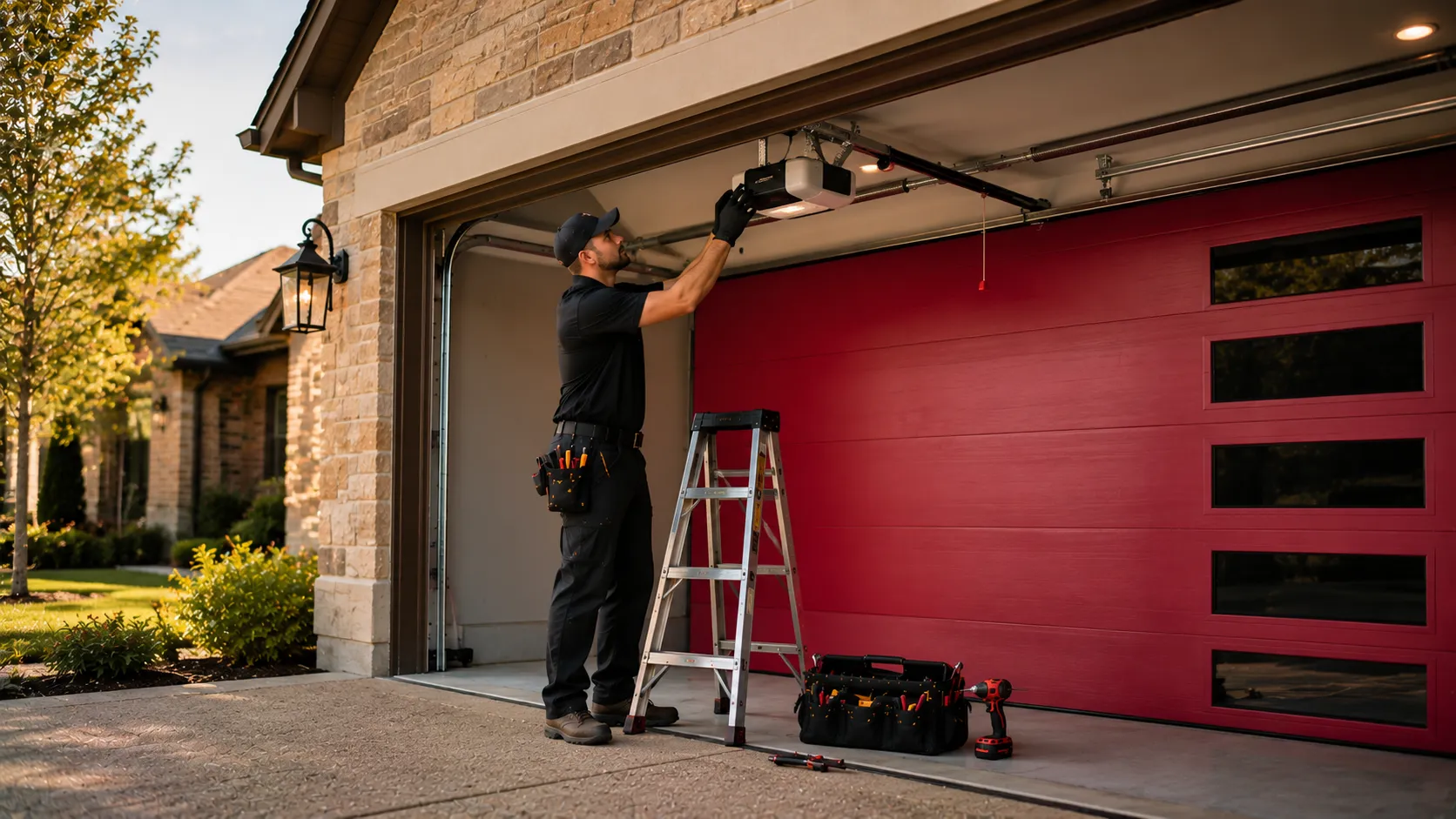
Describe the symptom - won’t open, loud bang, opener runs but the door won’t move.
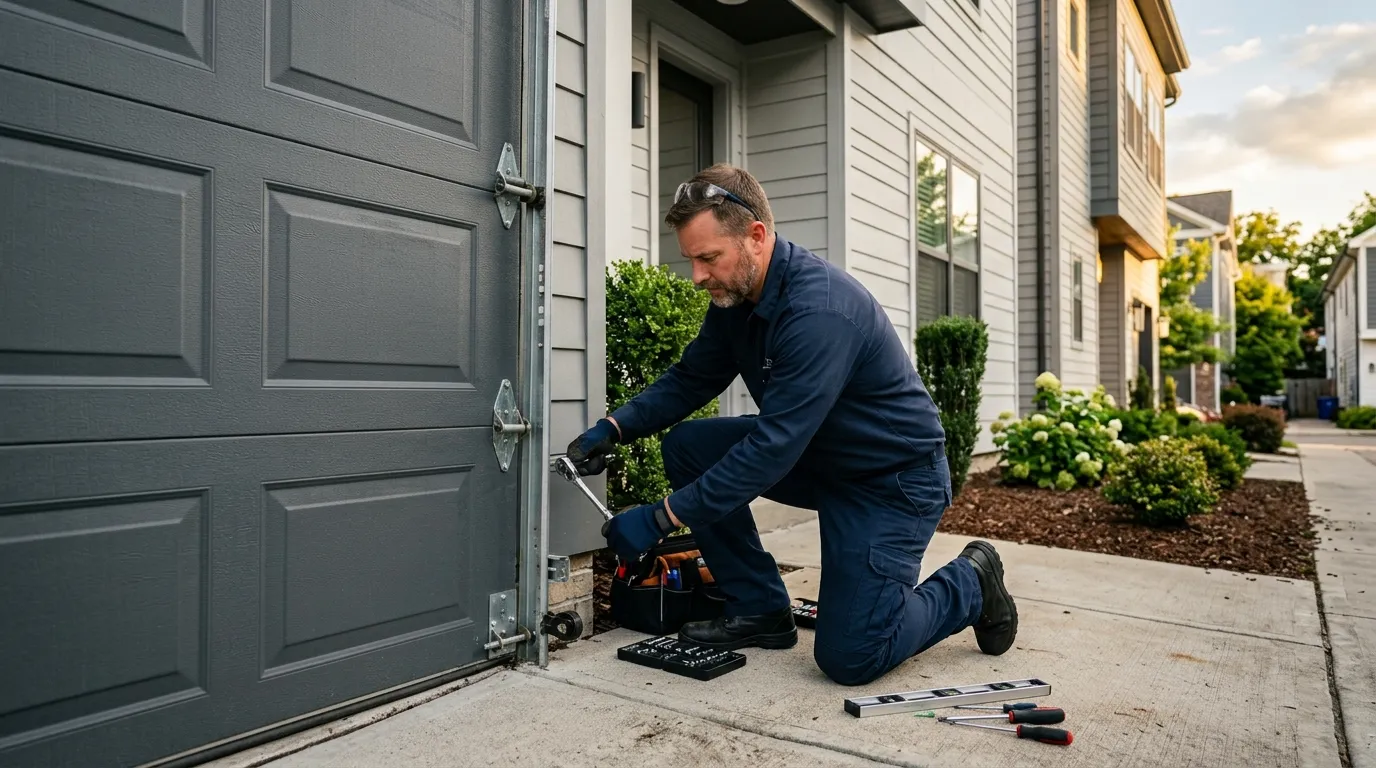
A technician tests the door under power and by hand and finds what actually failed.
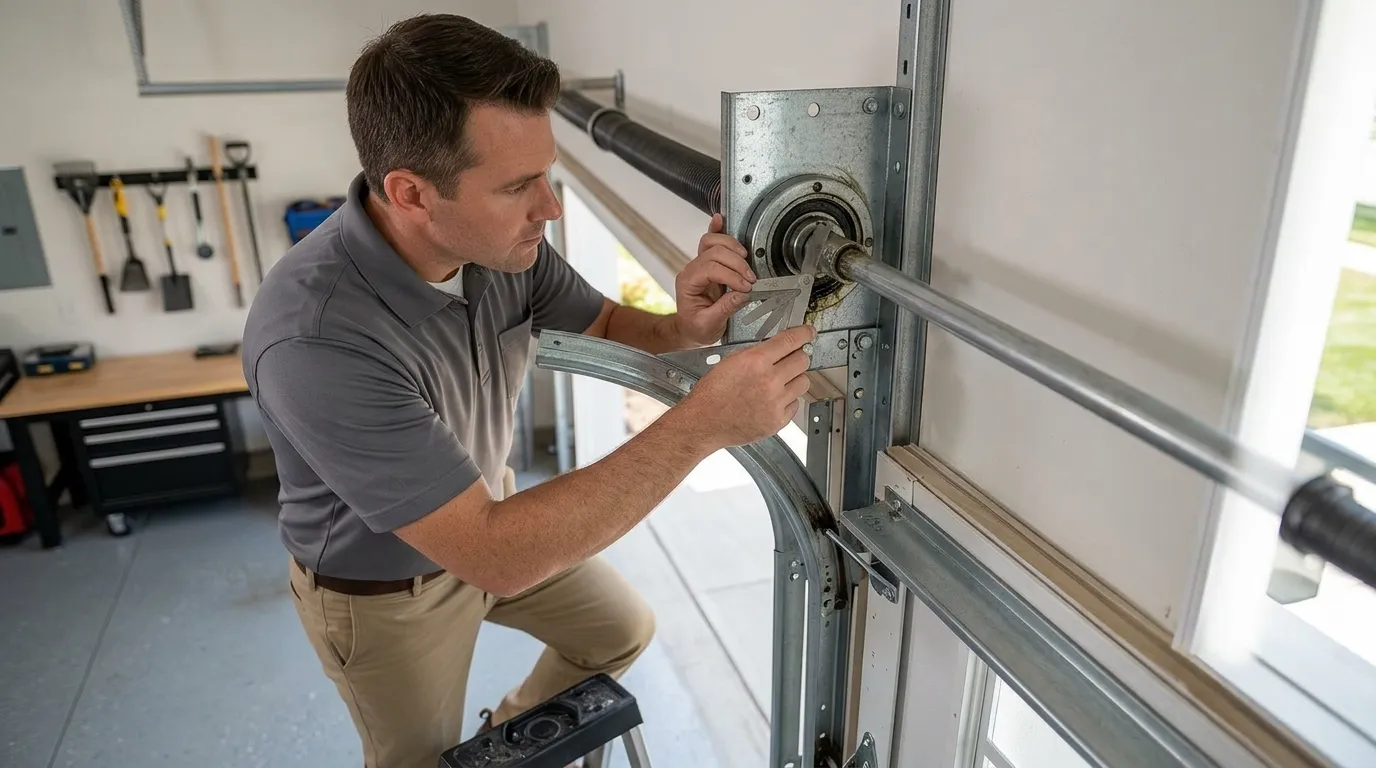
You get the fix that’s needed and what drives the cost - before any work starts.
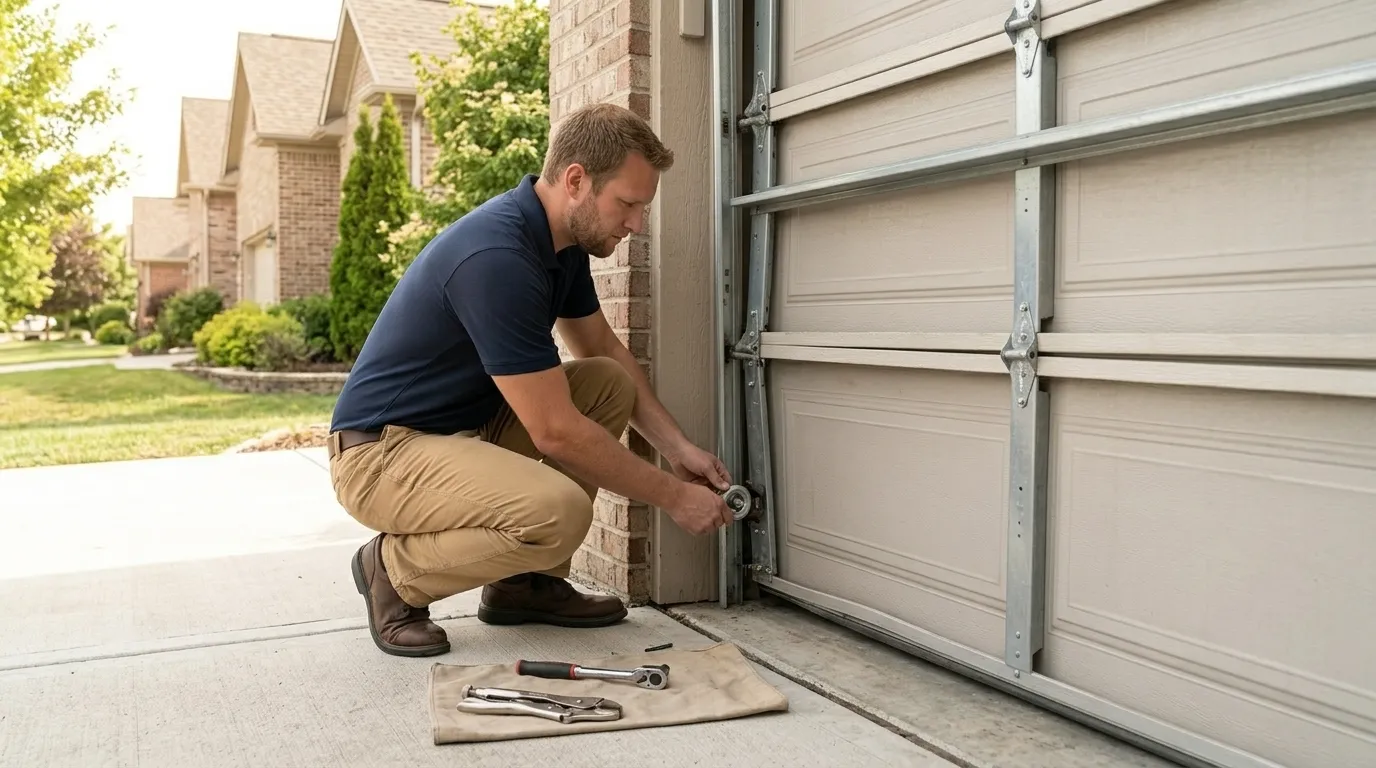
The repair is done, the door is set true and tested, and the work area left clean.
A straight, honest approach on every Brownsville job.
Every visit starts by finding what actually failed - not a pre-written parts list.
Springs and openers matched to the door’s weight and age, so the fix holds up.
When a repair makes more sense than a replacement - or the reverse - you hear it plainly.
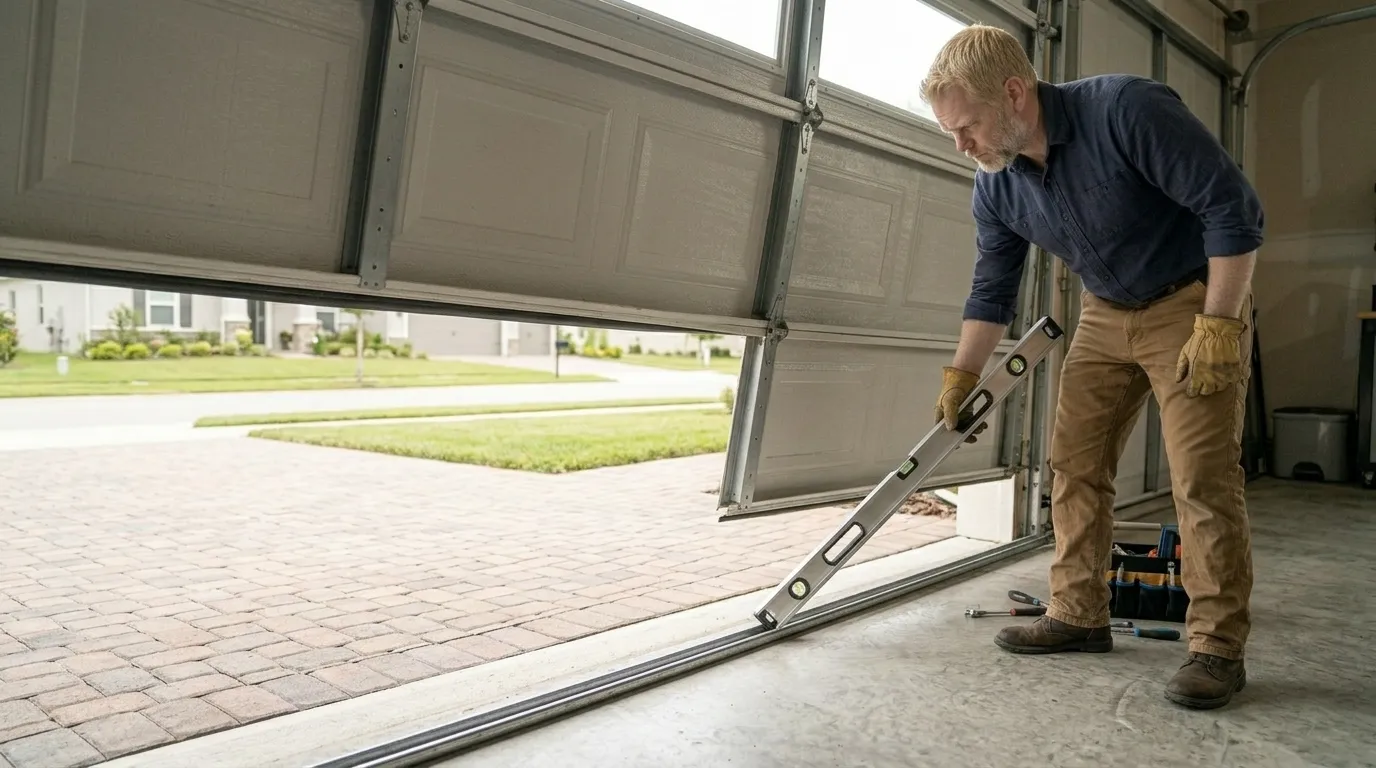
Tension released safely, hardware set true, the door tested under power before we leave.
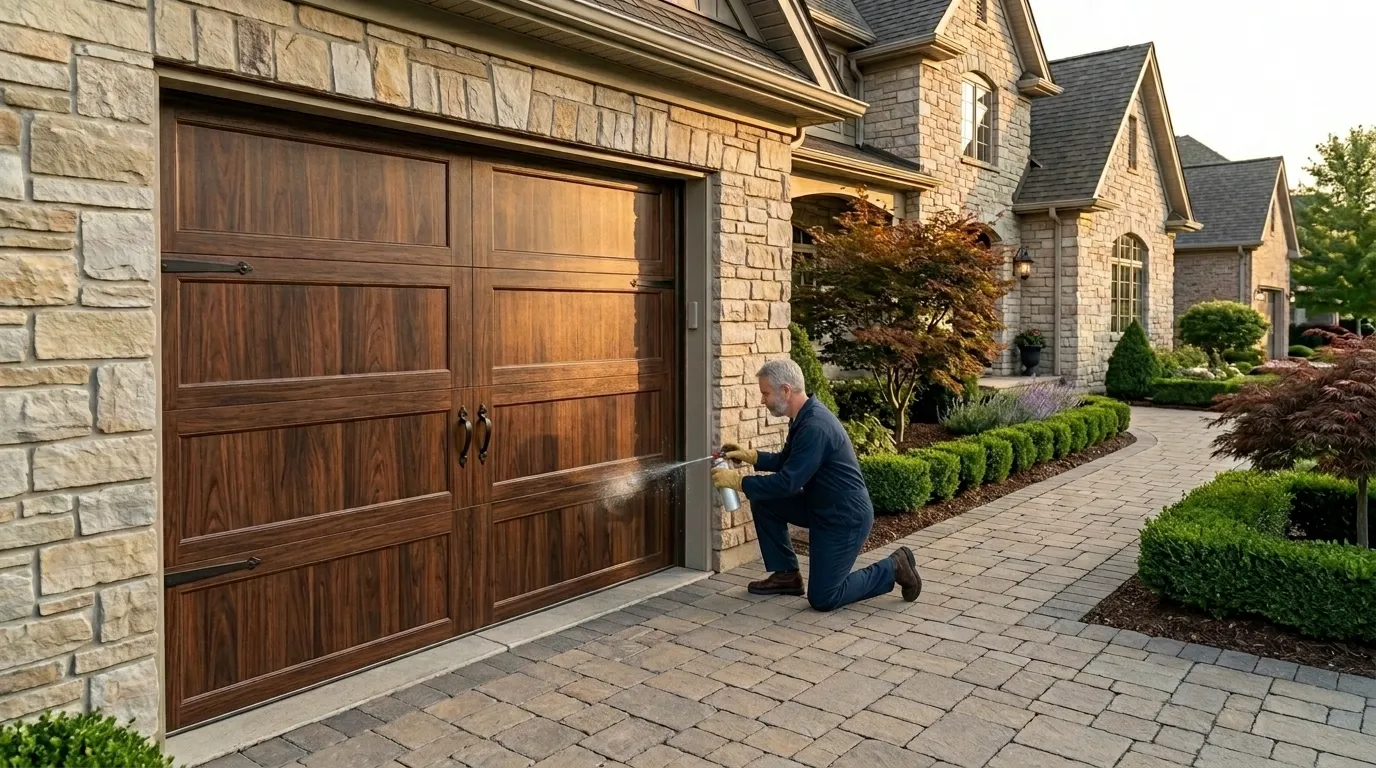
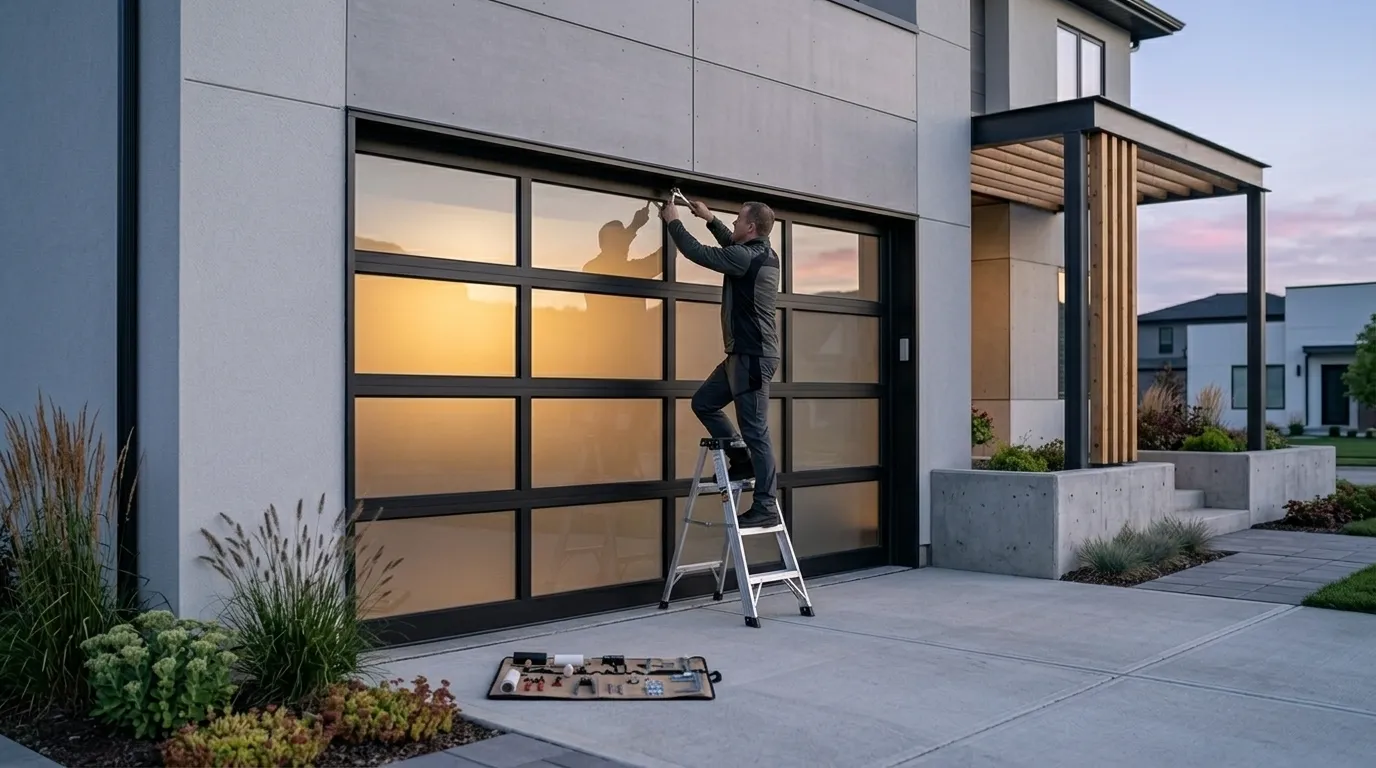
Illustrative styles - sectional, insulated steel, carriage, and commercial doors.
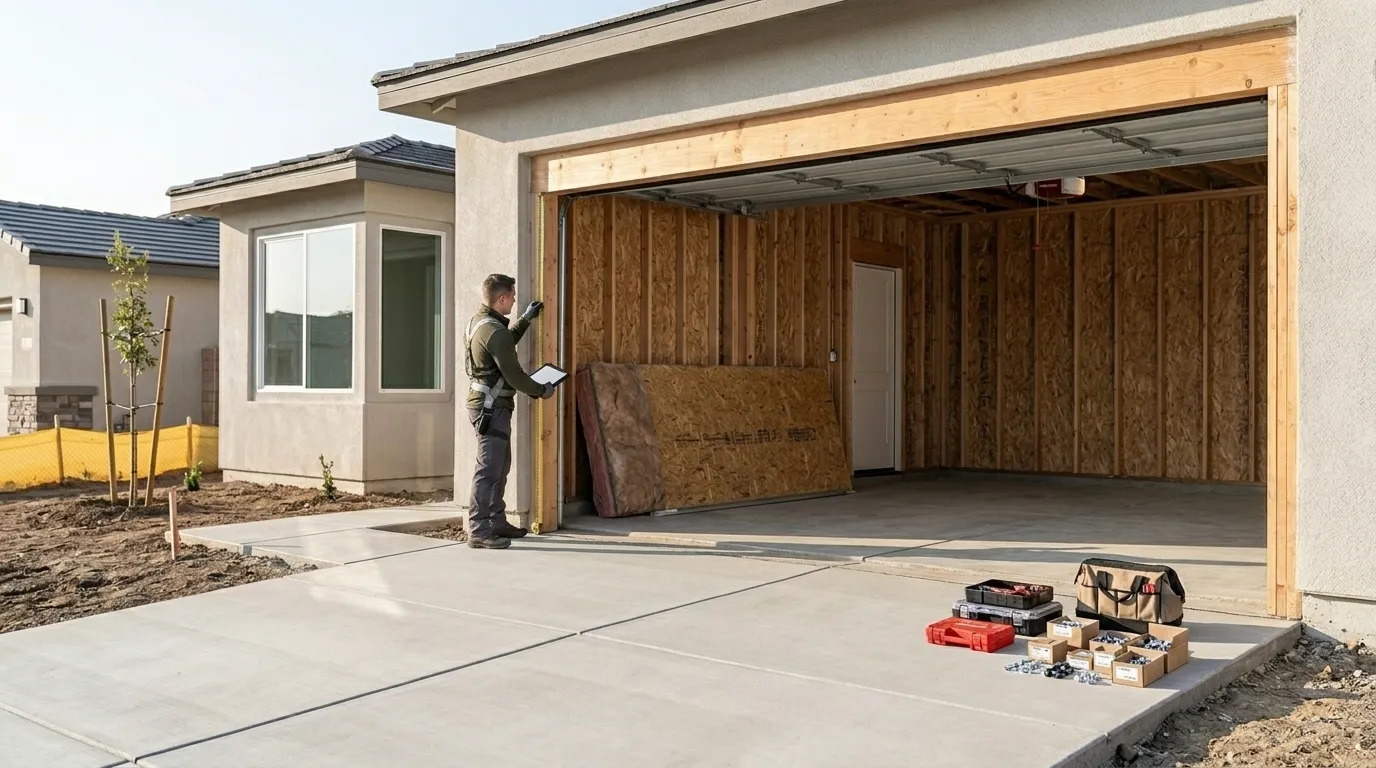
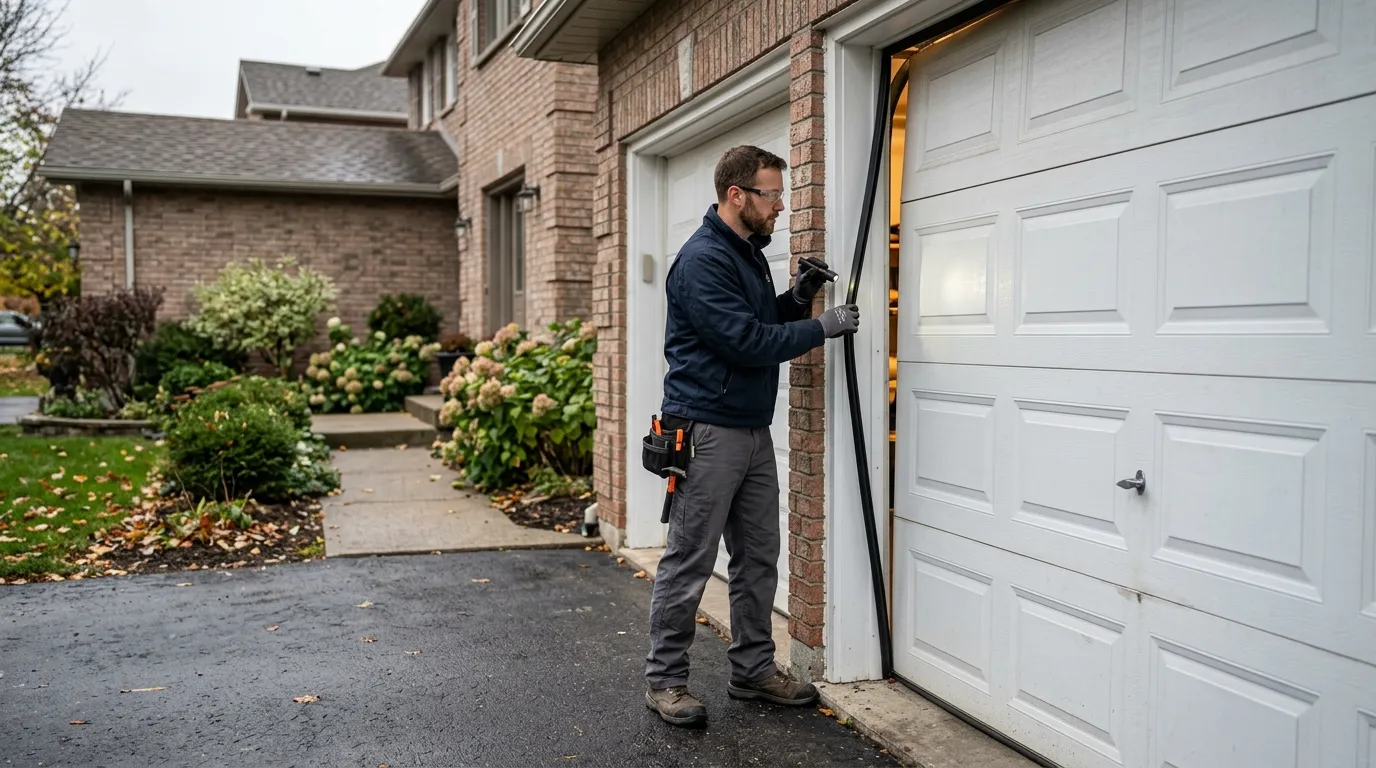
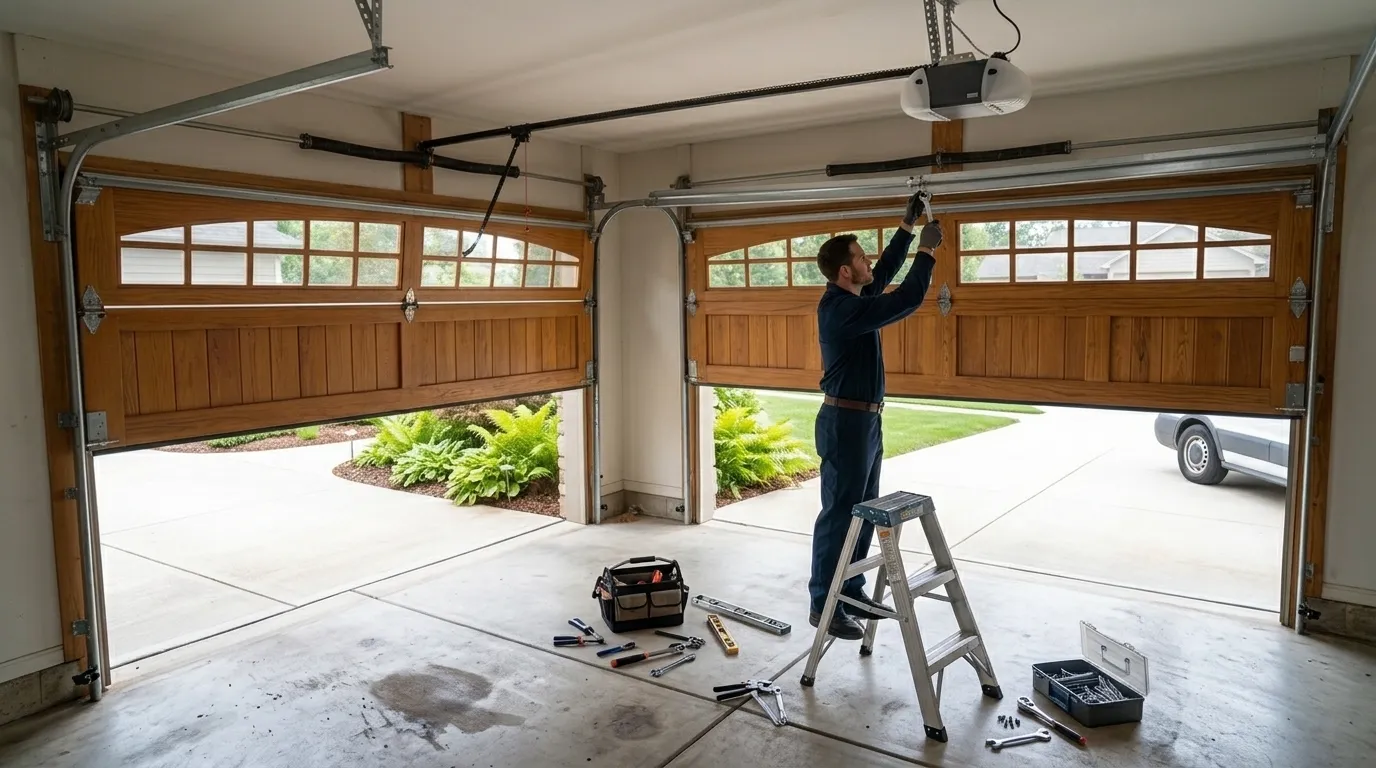
Straight answers about garage door repair in Brownsville. Still unsure? Ask us directly.
No. We're based in Brownsville and drive out to Rancho Viejo, about 7 miles away. It doesn't add meaningful time to scheduling, but we want to be upfront that we're not a local depot.
If your house dates to the early-to-mid 1980s and still has the original chain-drive opener, it likely lacks modern safety reversal sensors. We'll check it in person, but hardware from that era is often better replaced than repaired.
Torsion springs wear out by cycle count, not by whether the door still opens. A spring installed when a 1984-built house was new has usually logged more cycles than it's rated for, which raises the odds of a sudden snap rather than a gradual warning.
Tell us what it’s doing and where you are in Brownsville - we’ll take it from there.