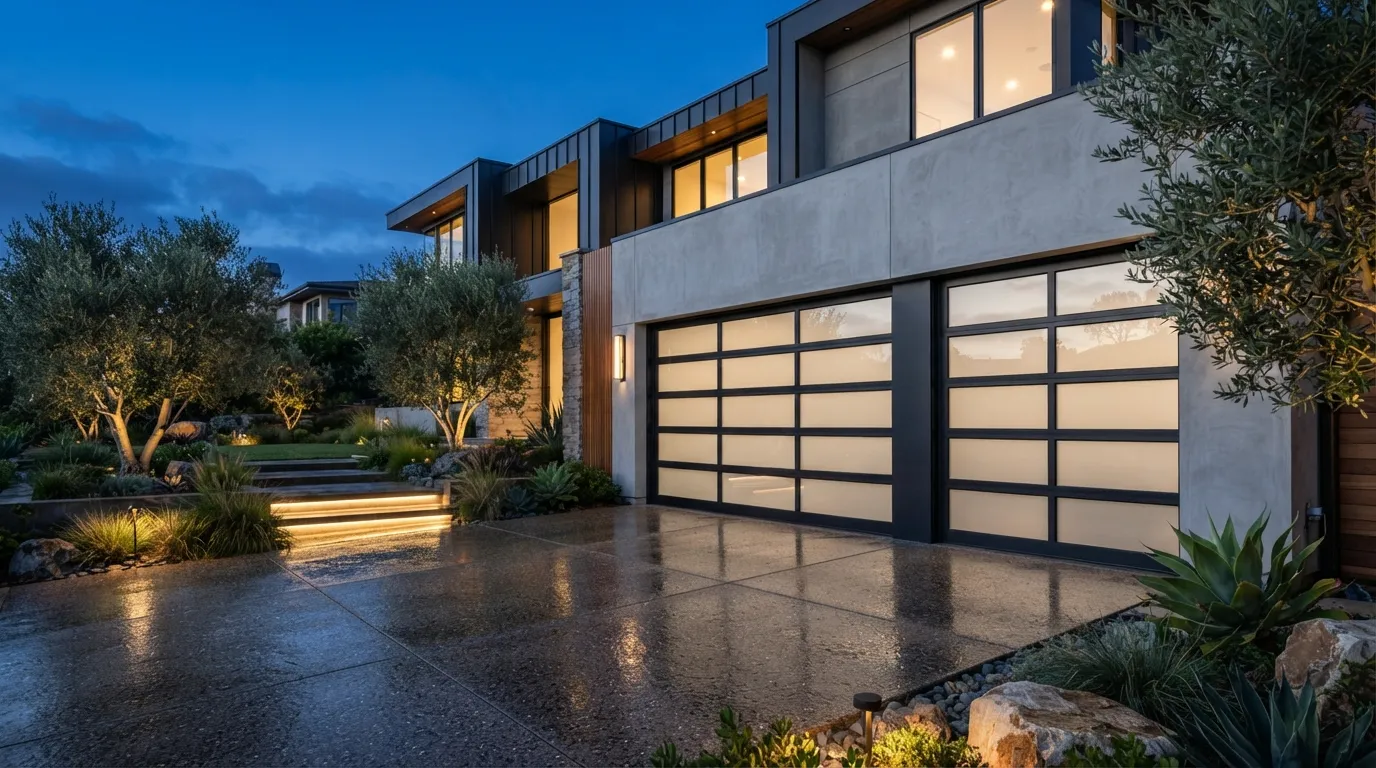
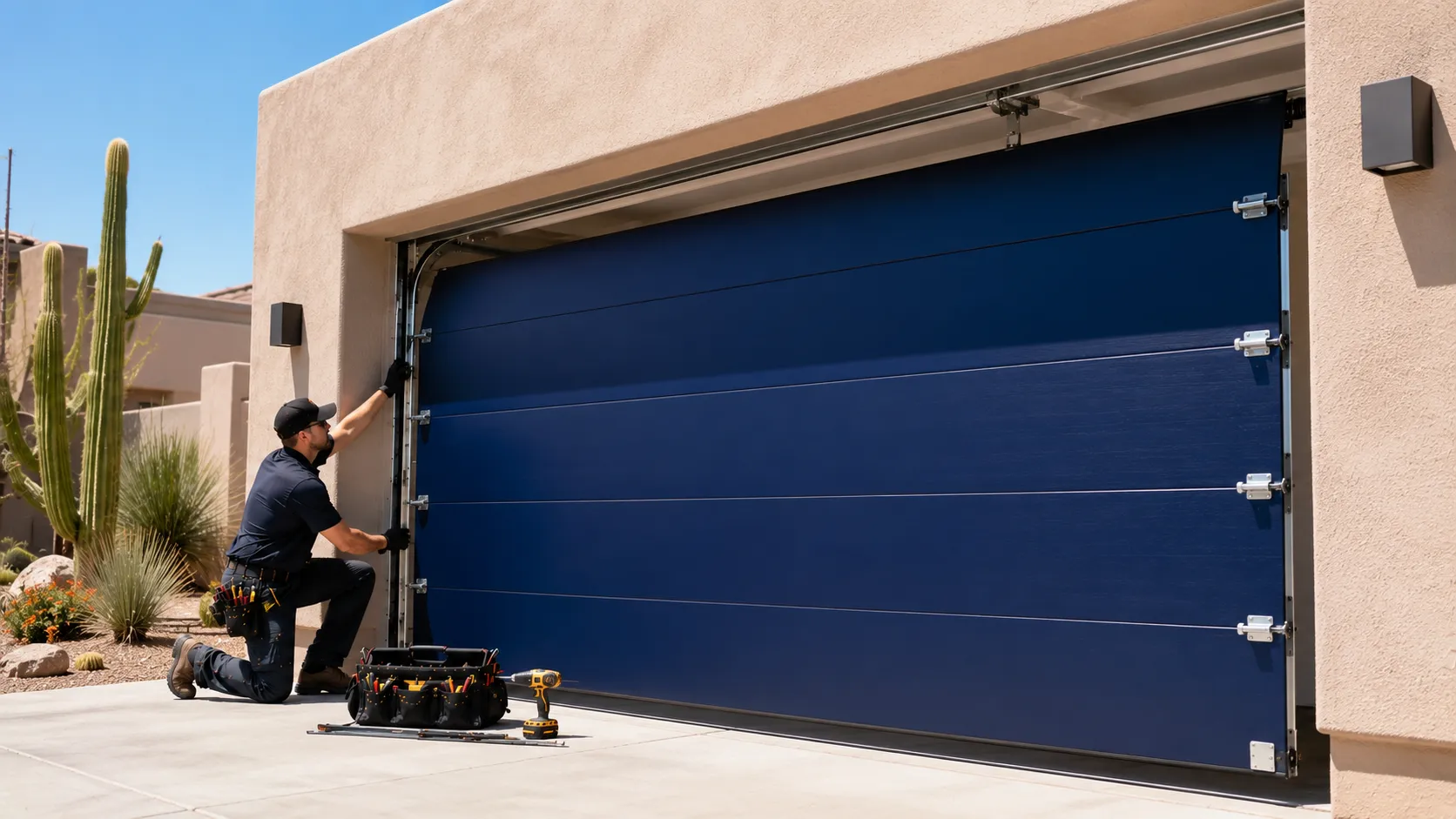
Los Fresnos homes mostly went up around 1999, well after Brownsville's 1986 median - that gap changes which parts wear out first. Maintenance built for this area's stock.
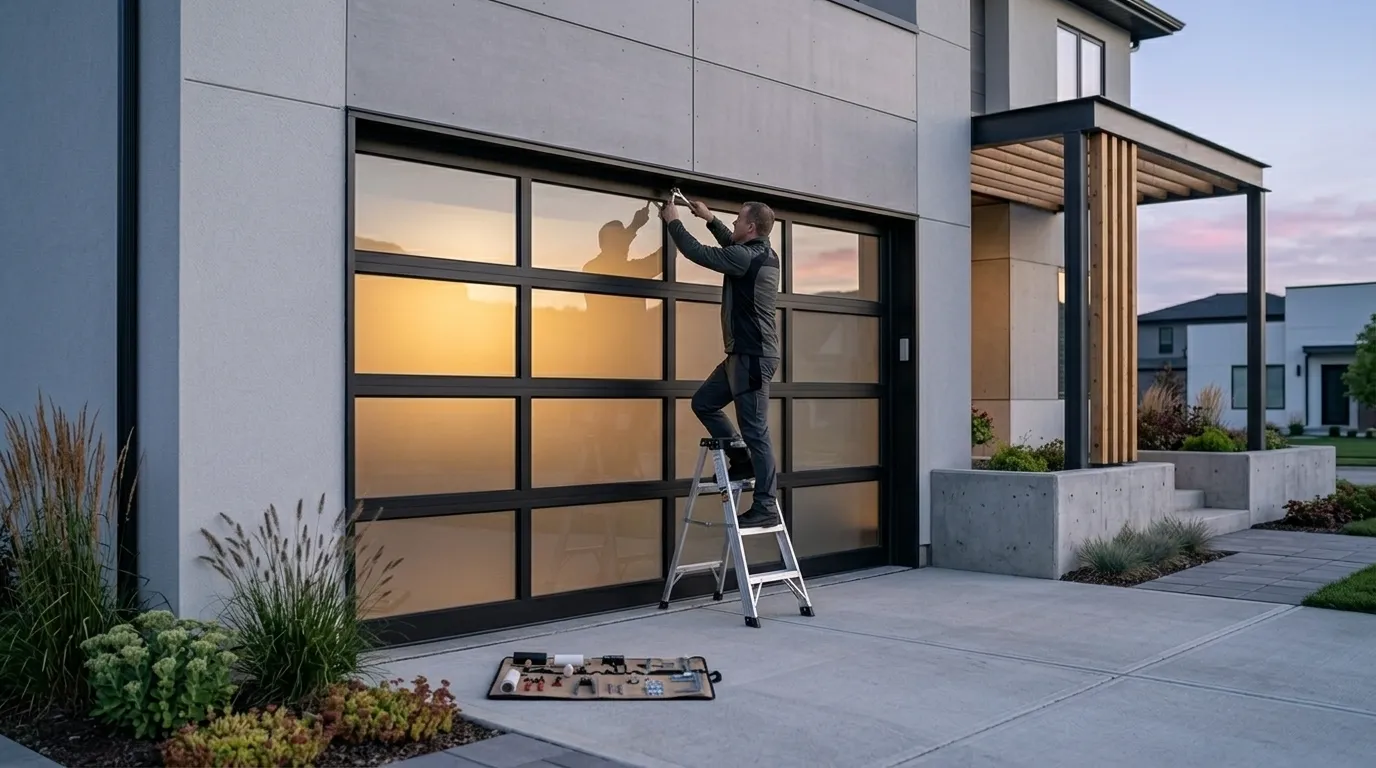
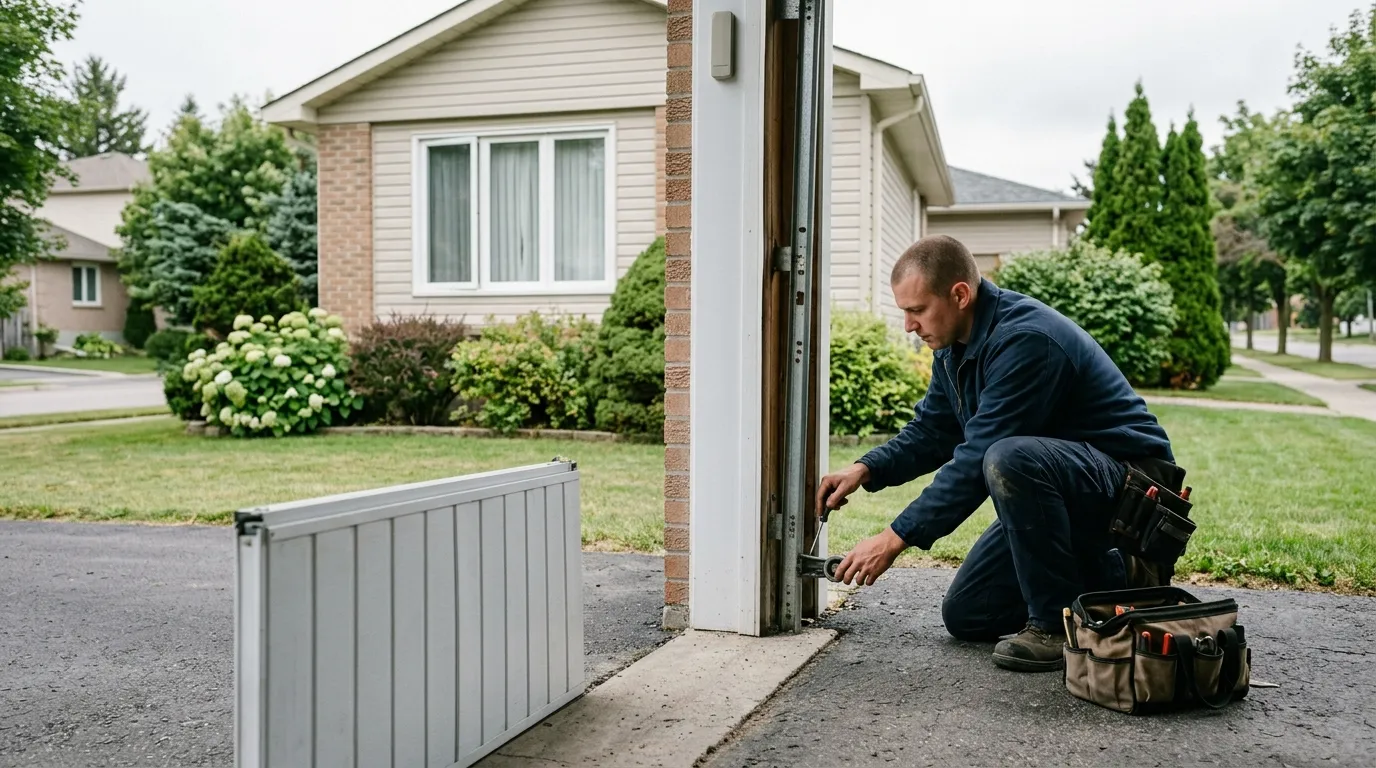
Los Fresnos sits about 6 miles from our Brownsville shop, so a maintenance visit here means a drive first, tool bag second. We don't run a branch in Los Fresnos - every truck comes from Brownsville, which is why we ask you to book a window rather than expect a same-hour knock. Once we're at the door, the actual maintenance work is quick: most of what we do is inspection, lubrication, and adjustment, not teardown. A door built in the late 1990s, which is closer to the norm here than in older parts of the service area, usually has fewer worn-out parts to replace on the spot, so the visit tends to be shorter than on a house from the 1980s stock common elsewhere in the area. That said, if we find a spring or cable that's actually failing during the check, we'll tell you straight rather than push a fix that isn't part of a maintenance call, and that can mean a second trip.
What the Repair Takes
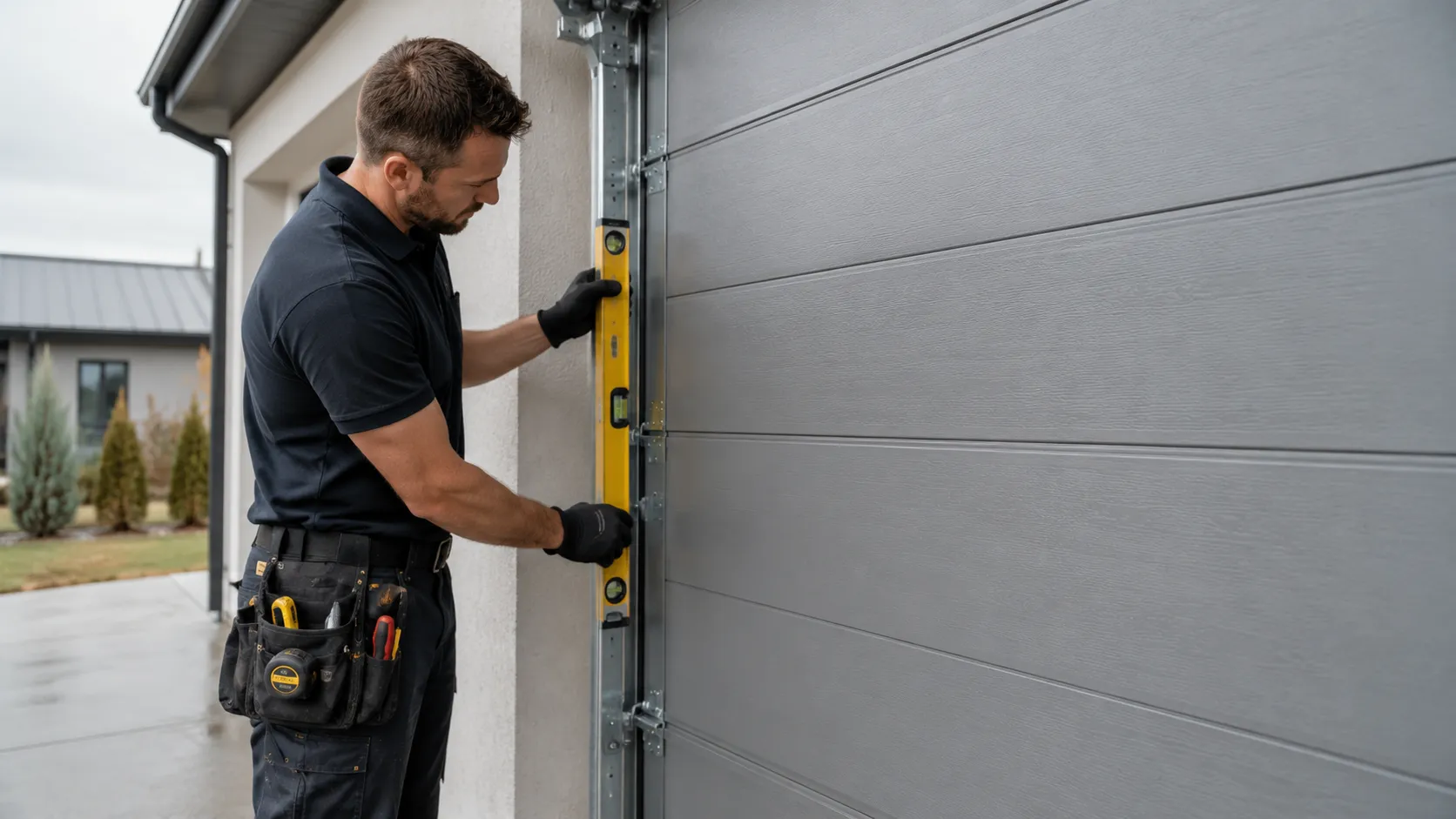
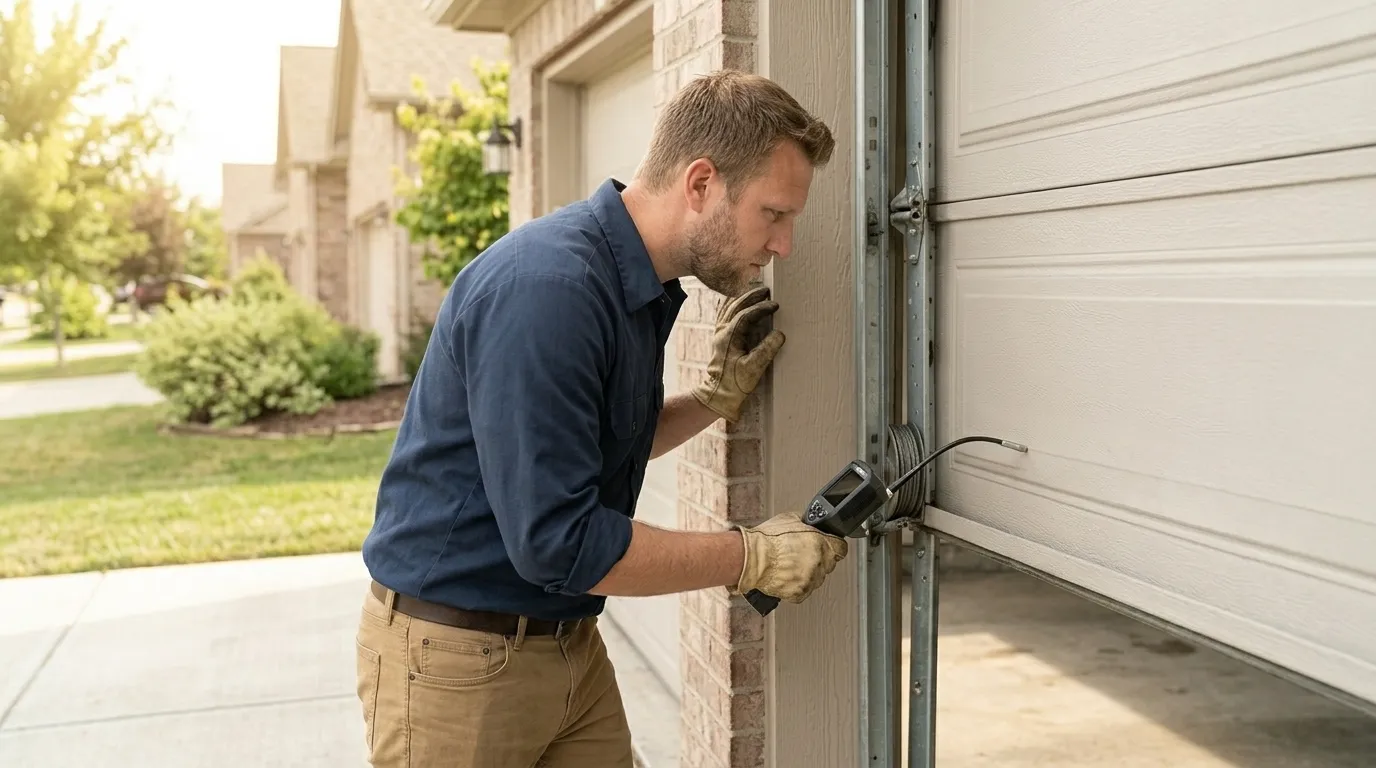
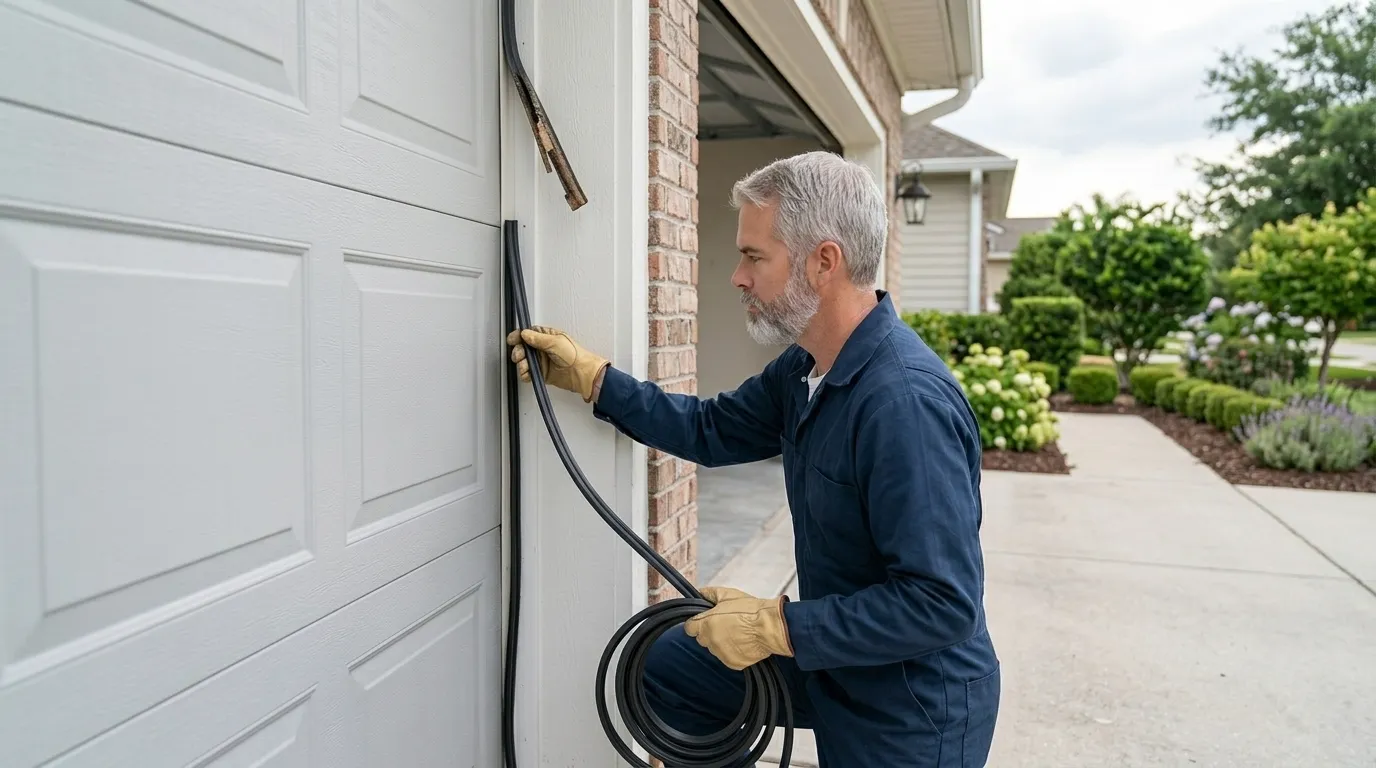
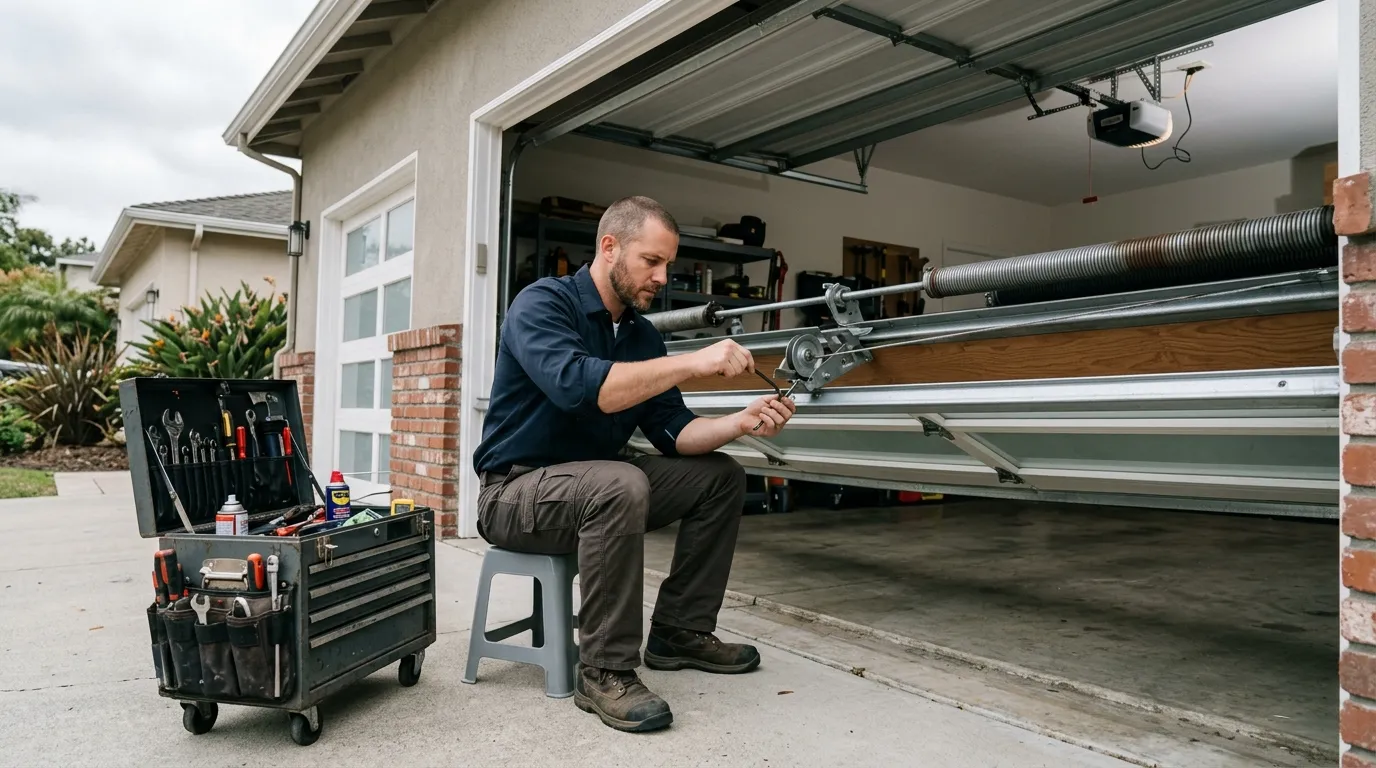
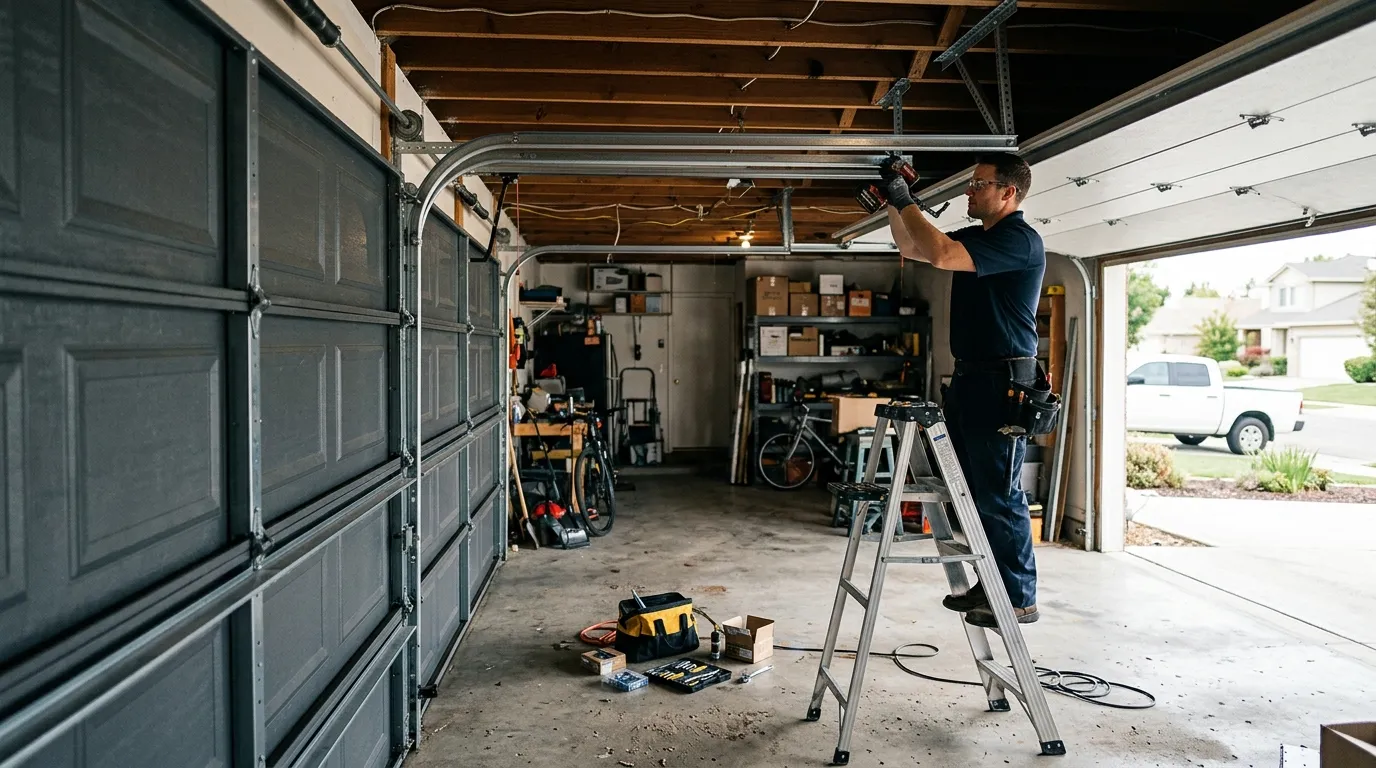
Because Los Fresnos housing clusters closer to 1999 than the wider service area's 1986 median, the doors we're servicing here tend to run newer torsion spring systems and steel panel construction rather than the older extension-spring, wood-panel setups you still find on houses from the 1980s. That changes what a maintenance visit actually covers: less time spent freeing up seized old track brackets, more time checking opener force settings, sensor alignment, and roller wear on hardware that's had two decades of Rio Grande Valley heat and humidity on it, not four. We check spring tension, lubricate rollers and hinges, inspect cables for fraying, and test the auto-reverse safety sensors. On a well-kept door this runs a standard visit. On a door that's never had one, we sometimes find a track out of plumb or a opener limit switch drifted enough that it's straining the springs - which we'll flag, not just grease over.
What Causes It Around Here
The service area sits in a mild temperate climate band, which is kinder to garage door hardware than a freeze-thaw region - no ice jamming tracks, no frost heave under slabs. But mild doesn't mean nothing happens. Humidity and salt-laden gulf air still corrode spring coils and cable strands over time, and it happens whether the door is from 1986 or 1999. What differs by build year is the hardware itself: newer doors here are more likely to have factory-galvanized torsion springs and sealed bearings, which resist that corrosion longer than the older, exposed extension springs still common on the area's older housing stock. Dust and pollen buildup on rollers and tracks is the other steady culprit, regardless of the house's age - it's just slower to cause trouble on newer bearings.
What Can Go Wrong
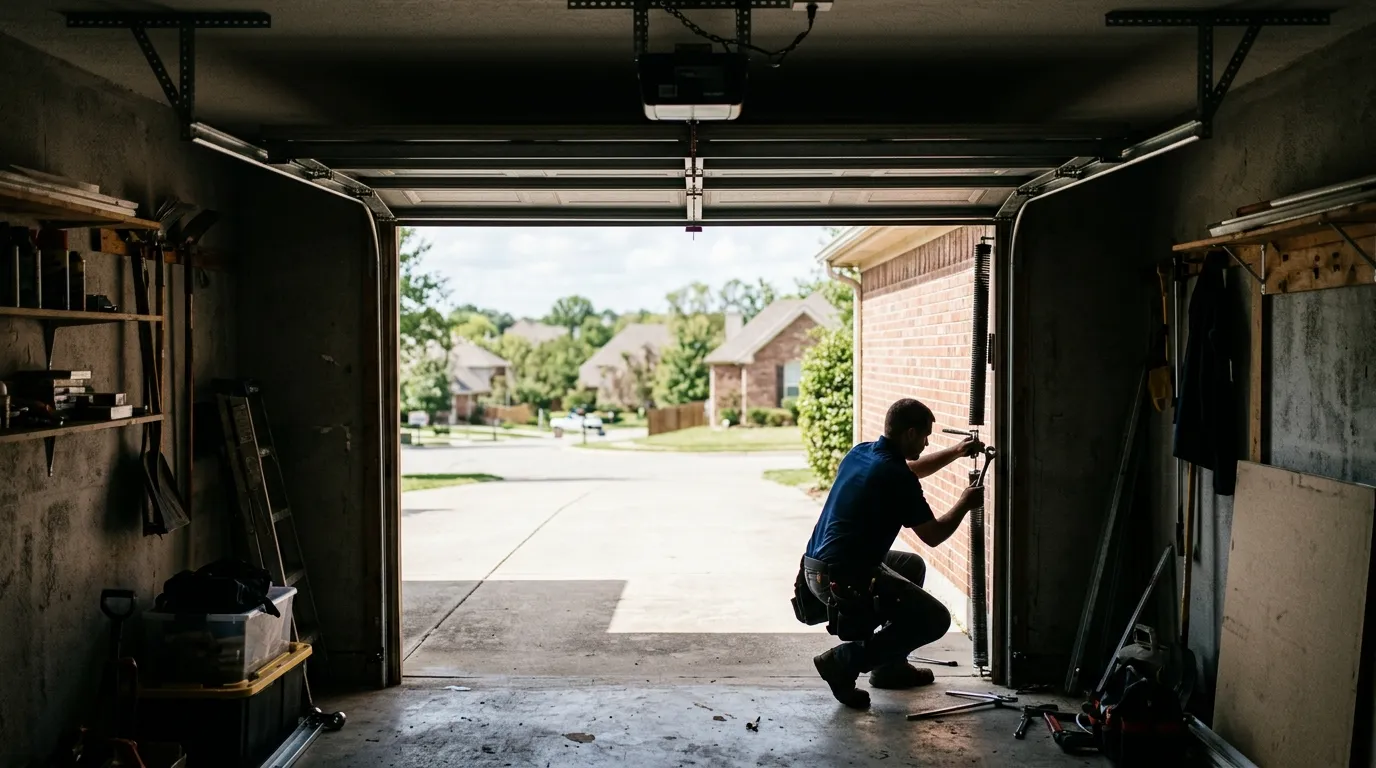
Skip maintenance long enough and the failure points are predictable. Torsion springs lose tension unevenly, so the door starts racking sideways as it travels - you'll notice it drag on one side before it ever breaks. Rollers dry out and start binding in the track, which the opener compensates for by pulling harder, and that extra strain is what eventually snaps a cable or burns out a motor gear. On the newer torsion setups more common in Los Fresnos, the failure is usually sudden - a spring lets go all at once rather than stretching and sagging the way old extension springs do. That's the honest limitation: we can catch wear before it fails, but we can't predict the exact day a spring under tension will go, and once it does, that's a repair call, not a maintenance one.
What You Pay
We don't have a published price list for this page, so we won't put a number here that isn't backed by fact. What we can tell you is that the area's median household income runs about $64,048, noticeably higher than the wider Brownsville service area's $55,387, and homes here are newer on average - both of which tend to mean less deferred hardware repair bundled into a maintenance visit, since fewer parts are past their working life already. Call for a quote specific to your door and opener.
Can You Do This Yourself
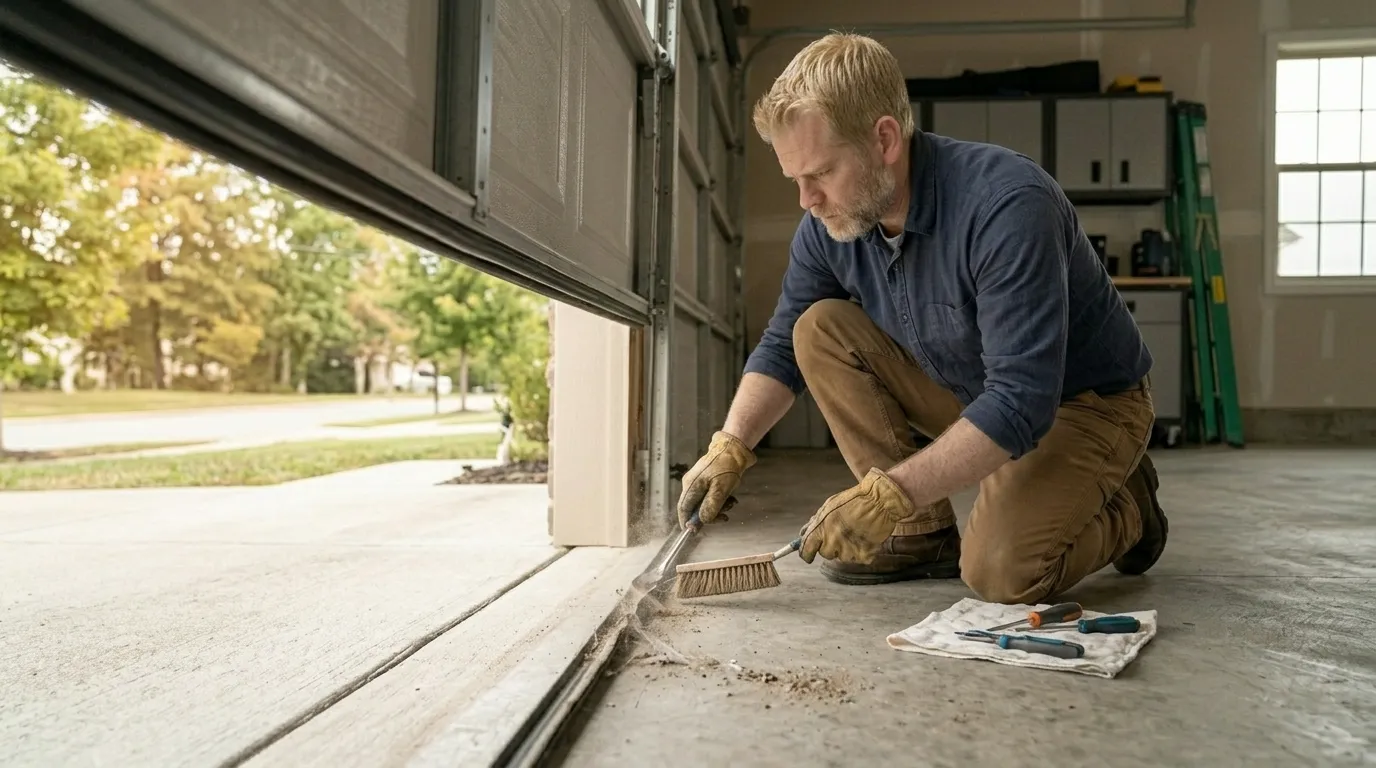
Some of it, yes. Wiping down tracks, checking that the door reverses when it hits an object, and listening for grinding are things any homeowner can do monthly without tools. What we don't recommend doing yourself is anything involving the torsion spring - the ones more common on Los Fresnos' newer stock hold serious tension, and loosening or tightening the wrong bolt on one has put people in the hospital. Lubricating rollers and hinges with the right product is fine to do yourself between our visits; adjusting spring tension or opener force settings is not, no matter how straightforward a video makes it look.
How it works
From “it’s stuck” to “it’s fixed”
01
Tell us what’s wrong
Describe the symptom - won’t open, loud bang, opener runs but the door won’t move.
02
On-site diagnosis
A technician tests the door under power and by hand and finds what actually failed.
03
Clear, up-front plan
You get the fix that’s needed and what drives the cost - before any work starts.
04
Repaired & tested
The repair is done, the door is set true and tested, and the work area left clean.
Serving Brownsville, TX - tell us what your door’s doing and we’ll take it from there.
Straight answers about garage door repair in Brownsville. Still unsure? Ask us directly.
How often should a newer door like mine get maintenance?
Even a door from the late 1990s benefits from an annual check. The mild climate here is gentler on hardware than a freeze-thaw region, but corrosion from humidity and gulf air still works on springs and cables year-round, so an annual visit catches wear before it becomes a repair.
Do you have a shop in Los Fresnos?
No. We're based in Brownsville, about 6 miles away, and we drive out for scheduled visits. There's no local branch, so maintenance calls here are booked as a window rather than an on-demand same-hour service.
Why does my neighbor's older door need more work than mine?
Los Fresnos has a mix of build years, but the area trends newer than much of the wider service area, which had a median build year around 1986. A door from that era is more likely to run older extension-spring hardware that wears out faster than the torsion systems common on newer houses.
Is maintenance worth it if my door still works fine?
Yes, for the same reason you'd rotate tires before they blow. Maintenance catches a fraying cable or a drifting opener sensor while it's still a five-minute fix, not a Saturday-night repair call with a door stuck halfway open.