Rancho Viejo homes date to 1984 on average, higher incomes than the wider service area shift the repair-or-replace math. Maintenance calls run from our Brownsville shop.
Rancho Viejo's median household income sits at $83,512, well above the $55,387 median across the wider Brownsville service area we cover. That number matters more than it looks like it should, because it changes where the repair-or-replace line falls. A homeowner here can usually justify swapping a tired opener or a worn set of rollers before they fail outright, rather than nursing a door along until a spring snaps on a Sunday. In lower-income pockets of the service area, we see more owners ride a problem to failure because a $200 tune-up competes with other bills. That's not the case for most houses in Rancho Viejo, and it means maintenance visits here tend to be about staying ahead of wear, not triaging an emergency. We still price the same job the same way regardless of the street it's on - a lube-and-adjust visit costs what it costs - but the timing of when people call us differs. Fewer of these calls come in after the door is already stuck; more come in because something sounded different last week and the owner wants it looked at before it gets worse. That's the cheaper way to own a garage door, and it's the pattern we see more of out here than elsewhere on the route.
Getting It Booked In
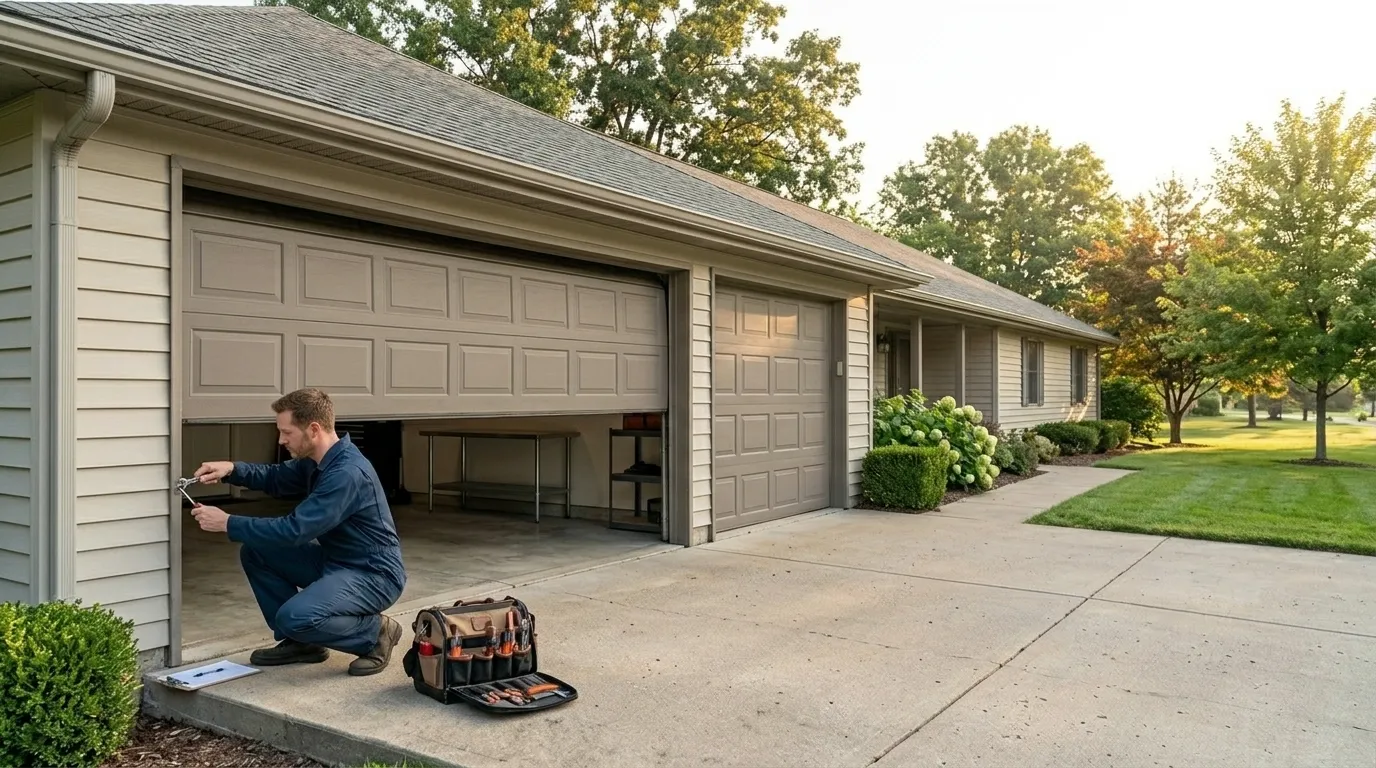
We run out of Brownsville, and Rancho Viejo is about 7 miles from the shop - close enough that a maintenance visit doesn't turn into a half-day trip, but it's still a drive, not a walk-in. Book ahead rather than expecting a same-day slot; we're not based in Rancho Viejo and we don't stage a truck here, so the visit gets scheduled around the route, not run on demand. Give us the make of your opener if you have it and roughly when the door was installed. For a neighborhood built mostly in the mid-1980s, that installation date usually tells us more than the symptom does - a 1984-era torsion setup gets serviced differently than something installed in the last ten years. If you're not sure, that's fine too; we can usually pin down the hardware era once we're standing in front of it. One honest limitation: if a part needs ordering - an odd-length torsion spring or a discontinued opener board, for instance - that's a second trip, not a same-visit fix, because we don't carry every legacy part on the truck.
What the Repair Takes
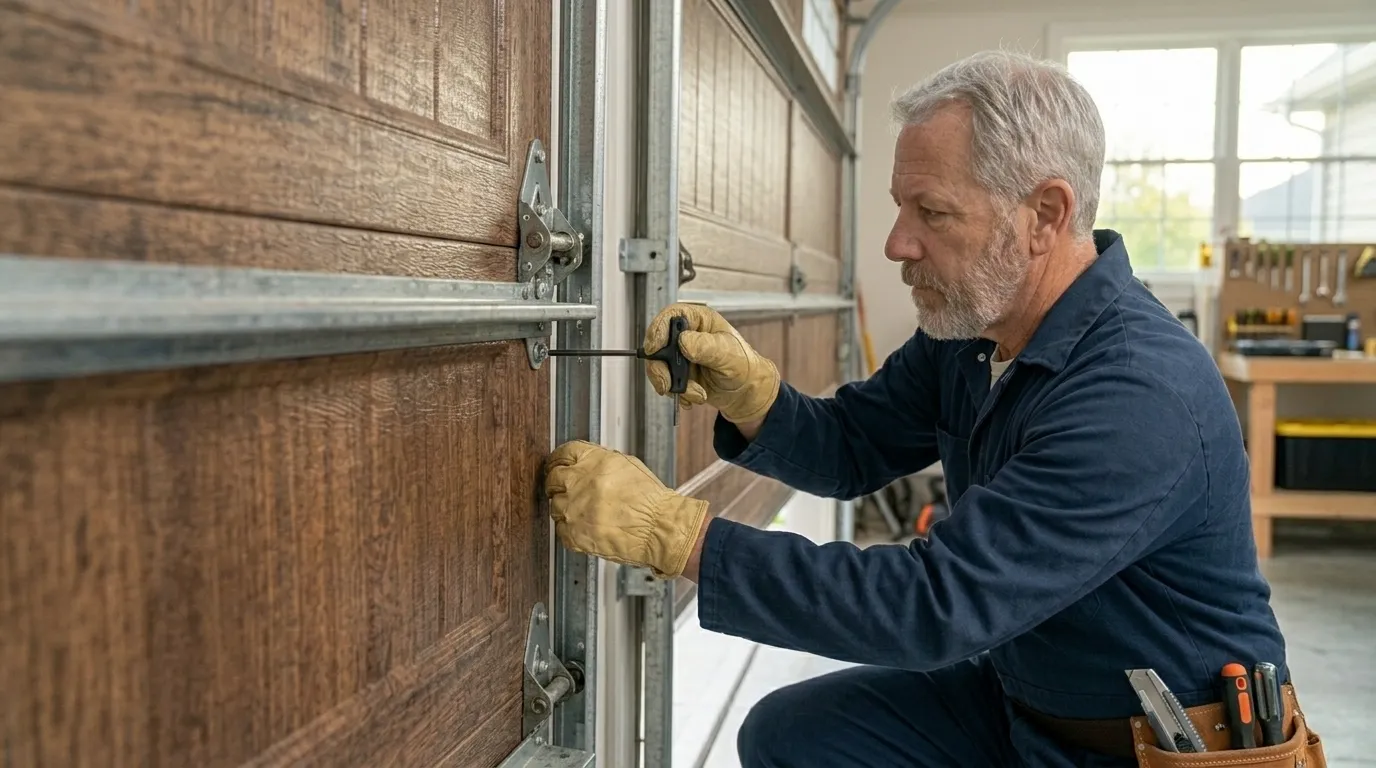
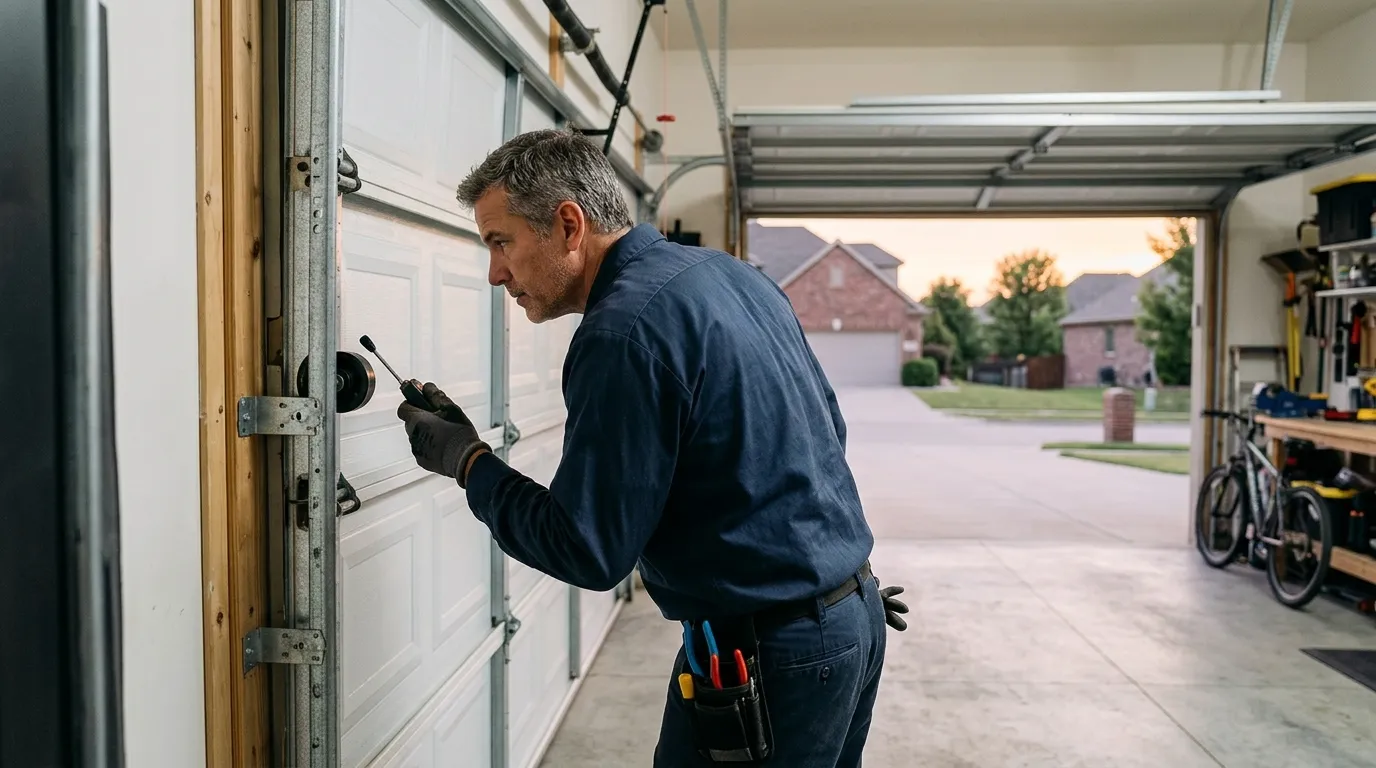
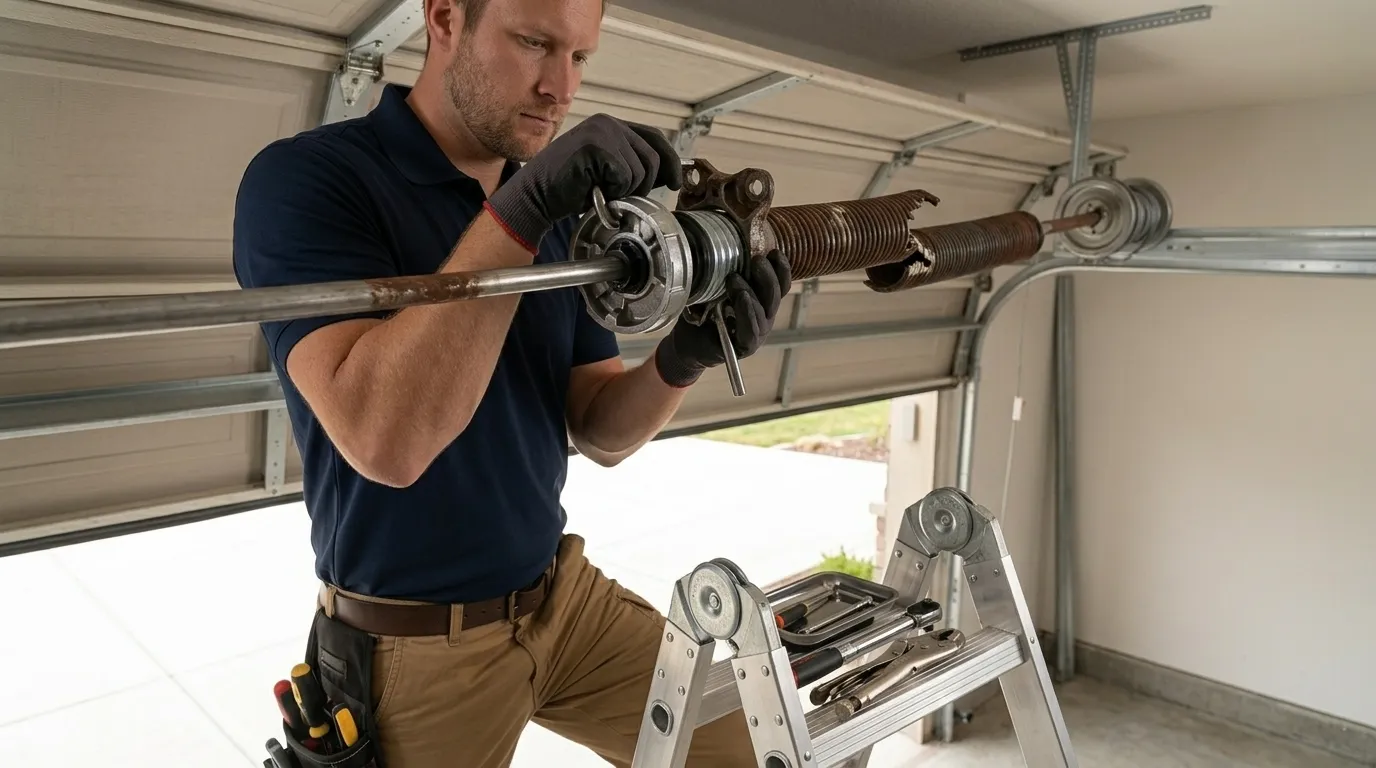
Most homes in Rancho Viejo were built right around 1984, inside the broader 1983-2001 stretch that describes housing across this whole service area. That means torsion springs, drums, and openers that are original or one generation removed from original - hardware that's now roughly 40 years old in a lot of these garages. A standard maintenance visit runs the usual checklist: spring tension, cable wear, track alignment, roller condition, opener force settings, and a look at the weatherstripping. On a house this age, we're paying closer attention to the spring winding cones and the drum set screws, since those are the parts that were built to a lighter safety margin than what ships today. The mild temperate climate here works in the homeowner's favor - there's no deep freeze-thaw cycle stressing the metal and no heavy snow load to worry the springs, so wear here is steadier and more predictable than in a harsher climate. That's a small mercy, not a guarantee: a 1984 spring set still fatigues on a schedule, mild weather or not, and a tune-up visit is where we catch it before it lets go.
What Can Go Wrong
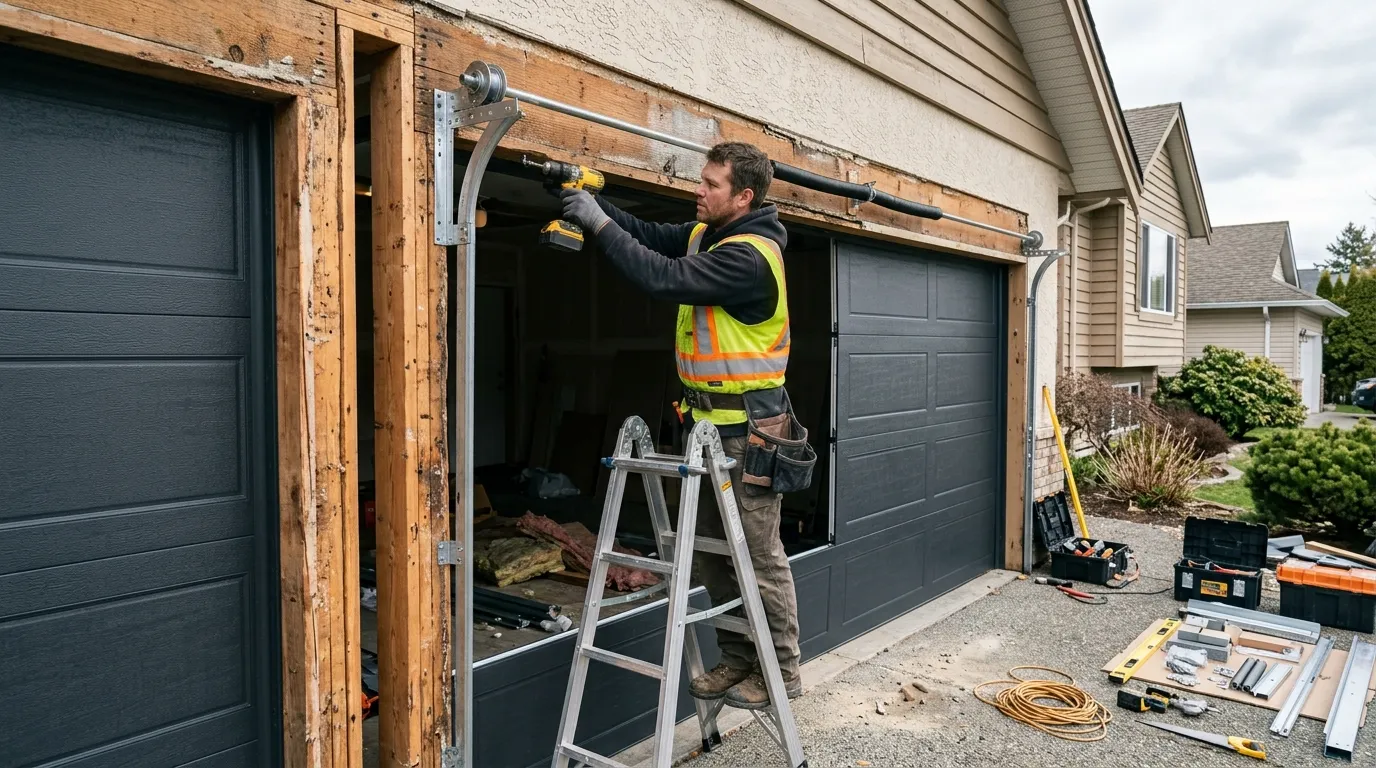
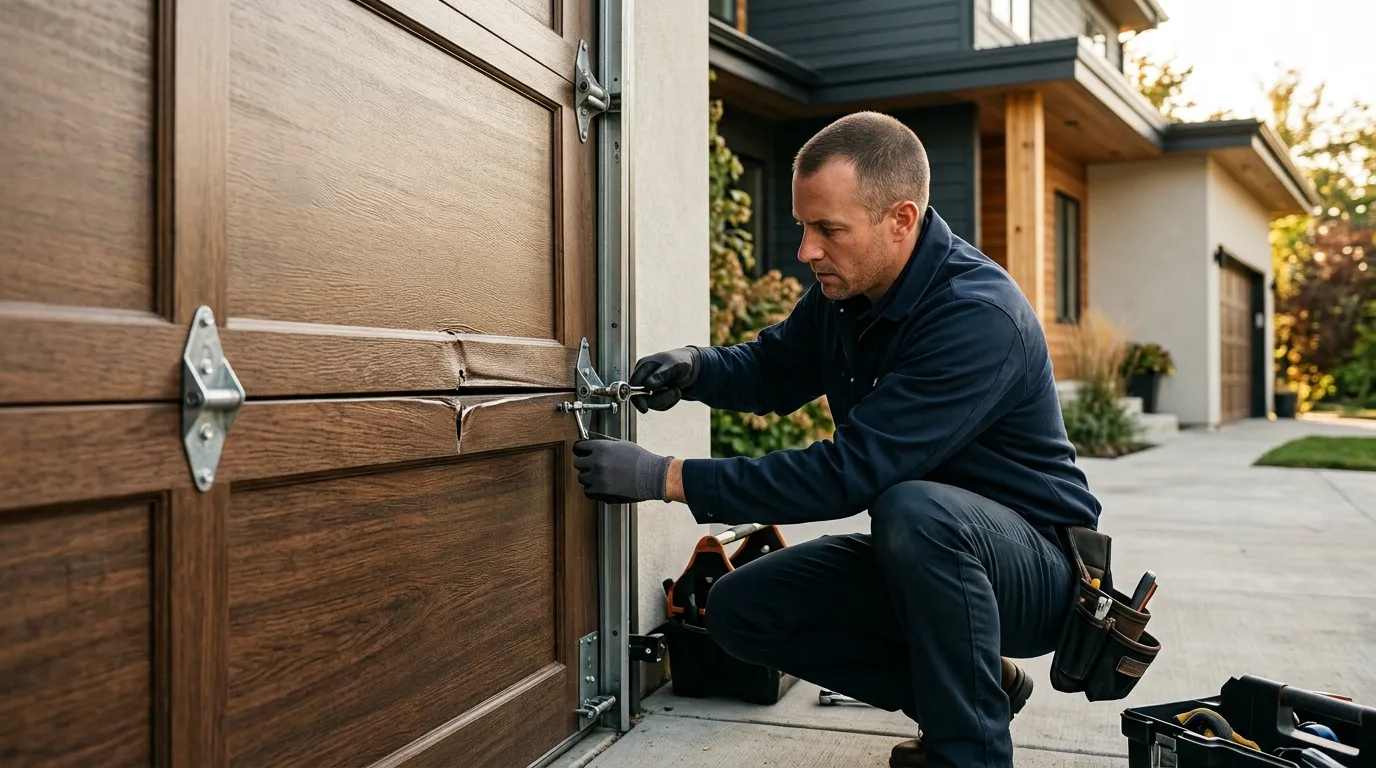
The most common failure on a door this age is a torsion spring that's simply worn out from cycle count, not from any one dramatic event - the door gets heavier to lift by hand, or the opener starts straining on the way up. Second most common: original rollers, often steel and unlubricated for years, grinding in the track and pulling it slightly out of alignment. Neither is an emergency until it is - a spring under tension that finally breaks can bend a bracket or drop a door hard, and that's a heavier repair than the maintenance visit that would have caught it. We don't recommend replacing hardware that's still working fine just because it's old; a 1984 torsion spring that's still smooth and quiet doesn't need to be swapped on principle. But once we see rust on the coils or a roller that's chewed up the track edge, that's the point where a repair now is cheaper than a failure later.
How it works
From “it’s stuck” to “it’s fixed”
01
Tell us what’s wrong
Describe the symptom - won’t open, loud bang, opener runs but the door won’t move.
02
On-site diagnosis
A technician tests the door under power and by hand and finds what actually failed.
03
Clear, up-front plan
You get the fix that’s needed and what drives the cost - before any work starts.
04
Repaired & tested
The repair is done, the door is set true and tested, and the work area left clean.
Serving Brownsville, TX - tell us what your door’s doing and we’ll take it from there.
Straight answers about garage door repair in Brownsville. Still unsure? Ask us directly.
How often should a garage door here get serviced?
Once a year is the standard interval for most doors, and it matters more on a house this age. With Rancho Viejo's housing mostly dating to the mid-1980s, an annual check catches spring and roller wear before it becomes a stuck door or a snapped cable, which costs more to fix after the fact.
Do you have a local branch in Rancho Viejo?
No. We run out of Brownsville, about 7 miles away, and schedule Rancho Viejo maintenance visits as part of the route. It's close enough that the drive doesn't add much to the job, but book ahead rather than expecting a same-day slot.
Is it worth replacing an opener from the 1980s instead of repairing it?
Often yes, once the board or motor is the problem rather than a simple part like a sensor or a chain. Given the age of most openers in this area, we'll tell you honestly when a repair is a stopgap versus when a new unit is the better spend.
Does the mild climate here mean less maintenance is needed?
It helps - no deep freeze cycles or heavy snow load stressing the hardware - but it doesn't stop wear. A 40-year-old torsion spring still fatigues on its own schedule regardless of weather, so an annual check is still the right call.