Noises That Mean Something in a Brownsville Garage
Brownsville's housing stock and mild climate create specific garage door noise patterns. Here's what to listen for before a spring or opener fails outright.
We can't hand you a number until we've looked at the door, and anyone who quotes a repair over the phone sight unseen is guessing. What we can tell you is what tends to drive the cost up or down in this area. Most of the houses we work on went up between 1983 and 2001, so the doors are original or close to it - builder-grade steel on torsion hardware sized for a lighter panel, not the insulated doors going in today. That hardware is easy to source and cheap to replace when it's just a spring or a set of rollers. It gets more expensive when someone's let a bent track or a stripped opener gear ride for months, because now you're replacing two or three things instead of one. With median household income here running around $55,387, a lot of the owners we talk to want the fix, not the upgrade, and we tell them straight when the door doesn't need anything more than that. We'll always give you the honest number before we start, not after.
Leaving It Alone
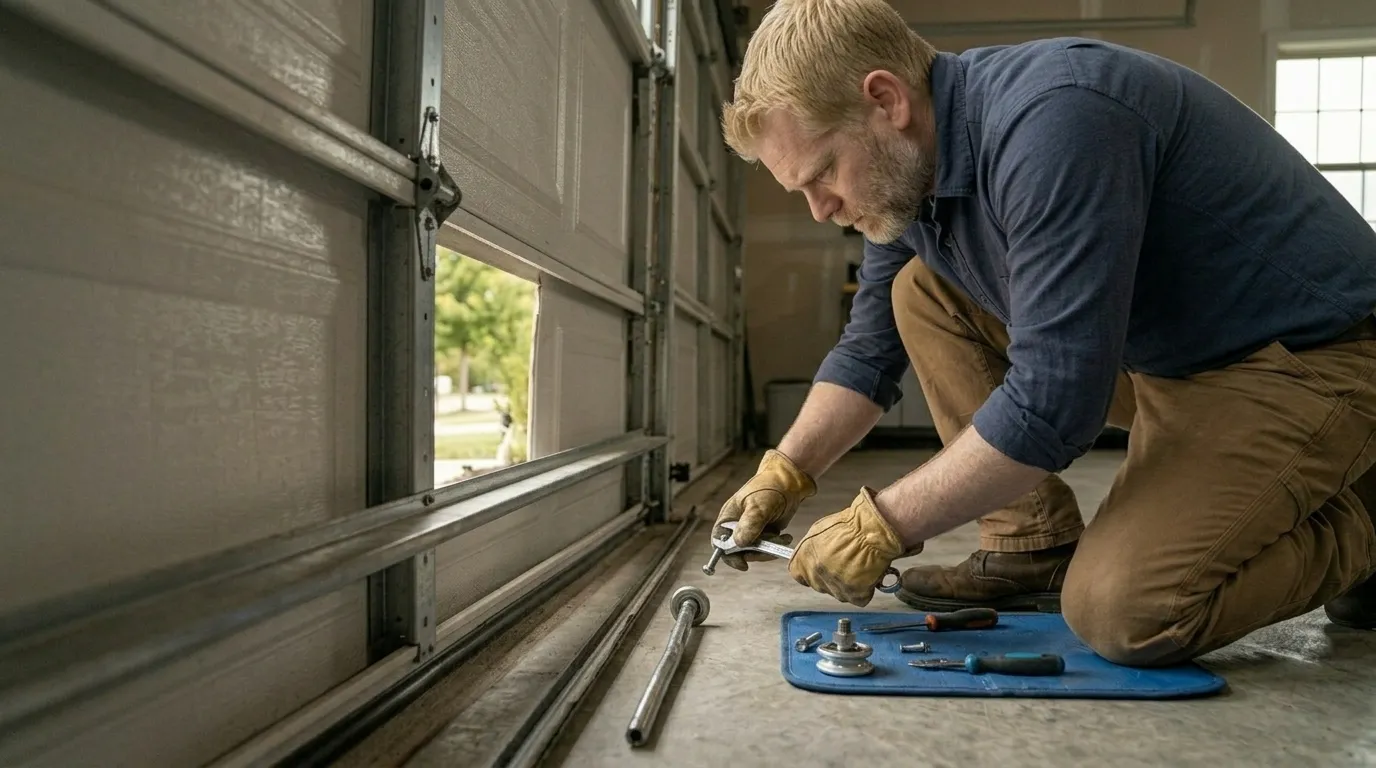
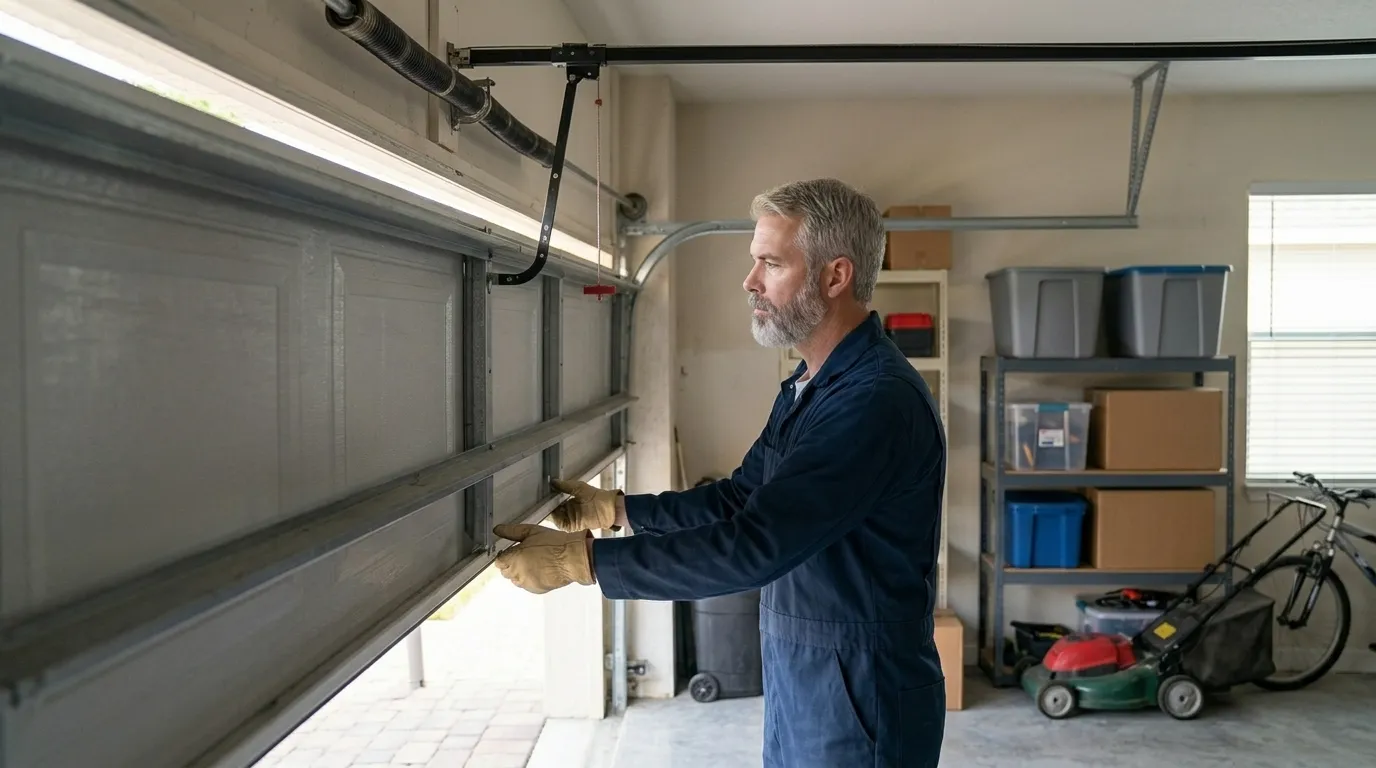
A door that's making noise is a door that's telling you something is wearing, not broken yet. On the 1980s and 90s stock that makes up most of this area, the failure point is almost always the torsion spring or the roller bearings, and both of those wear slowly. Because Brownsville sits in a mild temperate band with no hard freeze-thaw cycle to shock the metal, you don't usually get the sudden snap that happens up north. You get a groan that turns into a grind that turns into a bang some Tuesday morning when the spring finally lets go with the door halfway up. That's the part we'd rather you call about early - a spring under tension that's about to fail can hurt someone, and the fix costs a fraction of what it costs to also replace a bent track or a dented panel from a door that dropped. Ignoring it doesn't save the visit. It just moves the visit to a worse day, usually one where the door is stuck and you need the garage.
The Problem
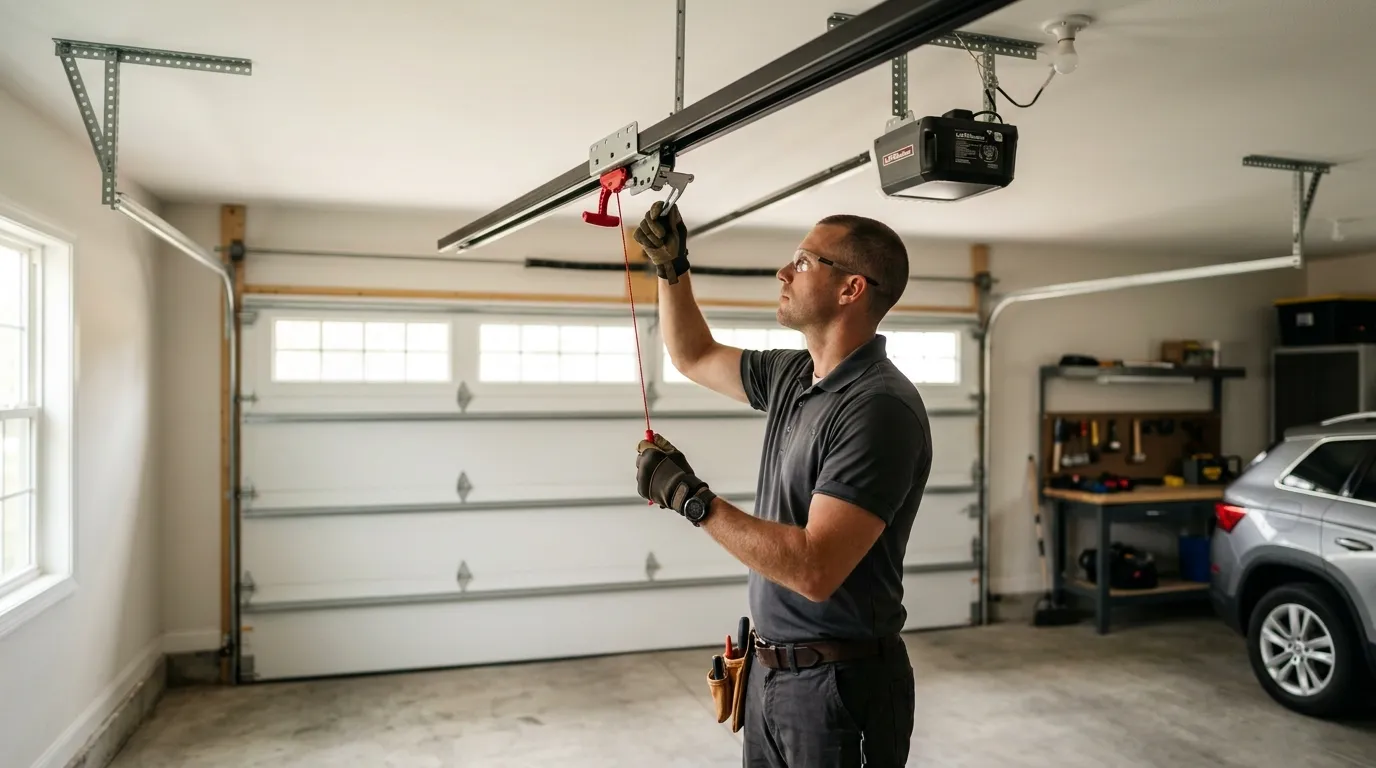
Most of the calls we get start with someone describing a sound, not a broken door: a squeal on the way up, a thump near the top, a rattle that wasn't there last month. On a house from the 1983-2001 wave that makes up most of Brownsville's stock, that sound usually traces back to one of three things. First, dry rollers or a bent track - normal wear on hardware that's original to a house now old enough to have grandchildren. Second, a torsion spring that's stretched past its rated cycle count, common on doors that have never been serviced since the house was built. Third, an opener with worn drive gear, especially on the chain-drive units that shipped standard on builder-grade garages through the 90s. None of these show up on inspection until the door is actually moving, which is why we ask you to run it a few times before we arrive and just listen. The sound almost always tells us which of the three we're dealing with before we open the panel.
What the Weather Here Does to It
Brownsville's mild temperate climate is easier on garage doors than a lot of places, but easier isn't the same as nothing. There's no freeze-thaw cycle here to crack seals or seize hardware overnight, so the failures we see are slower and quieter than the sudden snaps you'd get further north. What gets you instead is steady heat and UV. Grease on rollers and hinges dries out faster under consistent warm-weather exposure, which is why a door that's fine in spring starts squealing by late summer. Rubber weatherstripping and vinyl seals along the bottom of the door break down from sun exposure years before they'd fail from cold. If your garage faces south or west with no shade, expect that wear to show up sooner than it would on a shaded, north-facing door two houses down. It's not dramatic weather doing the damage - it's the same mild, sunny days repeating for years on hardware that was never designed to be relubricated on a schedule.
How it works
From “it’s stuck” to “it’s fixed”
01
Tell us what’s wrong
Describe the symptom - won’t open, loud bang, opener runs but the door won’t move.
02
On-site diagnosis
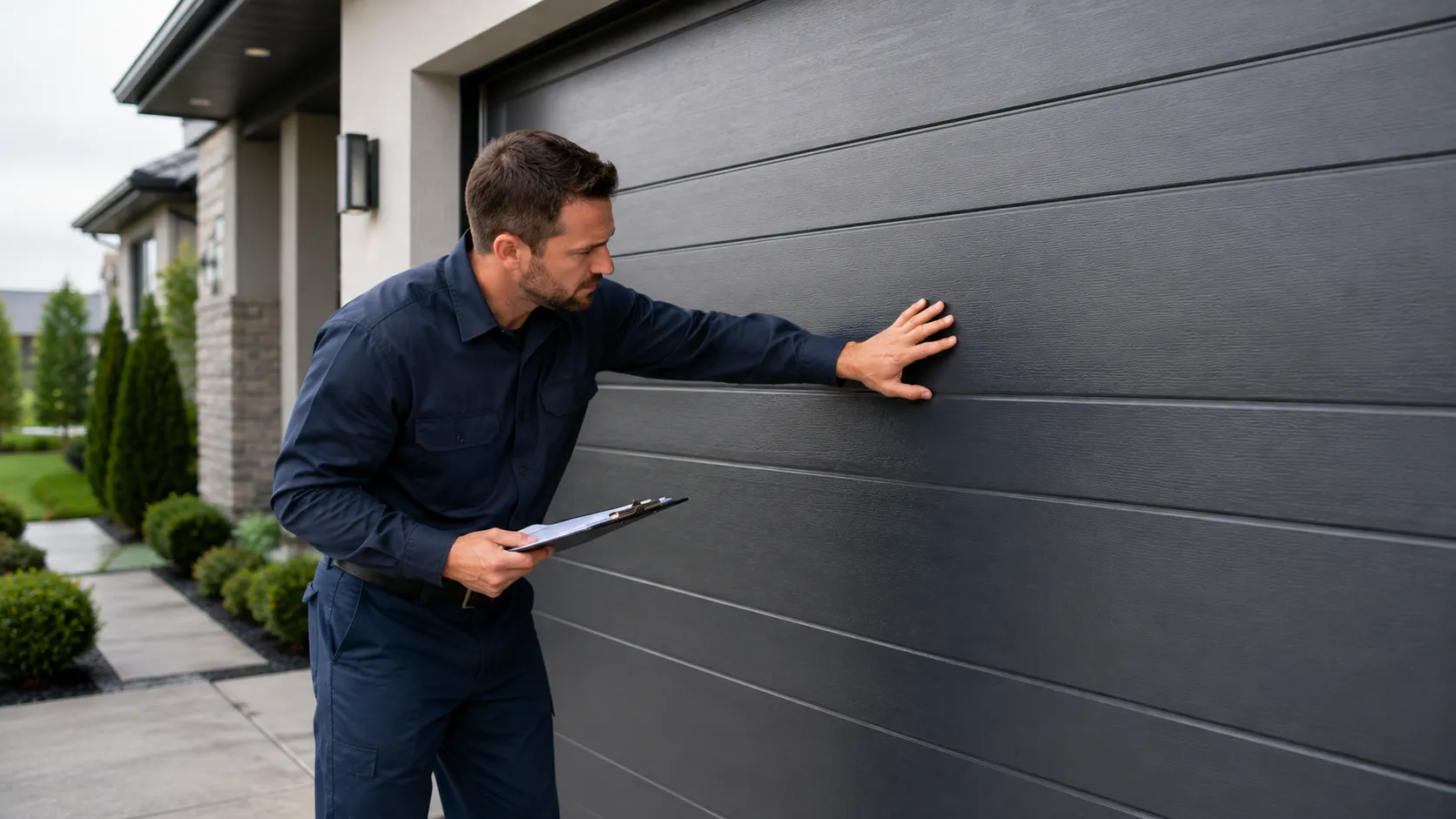
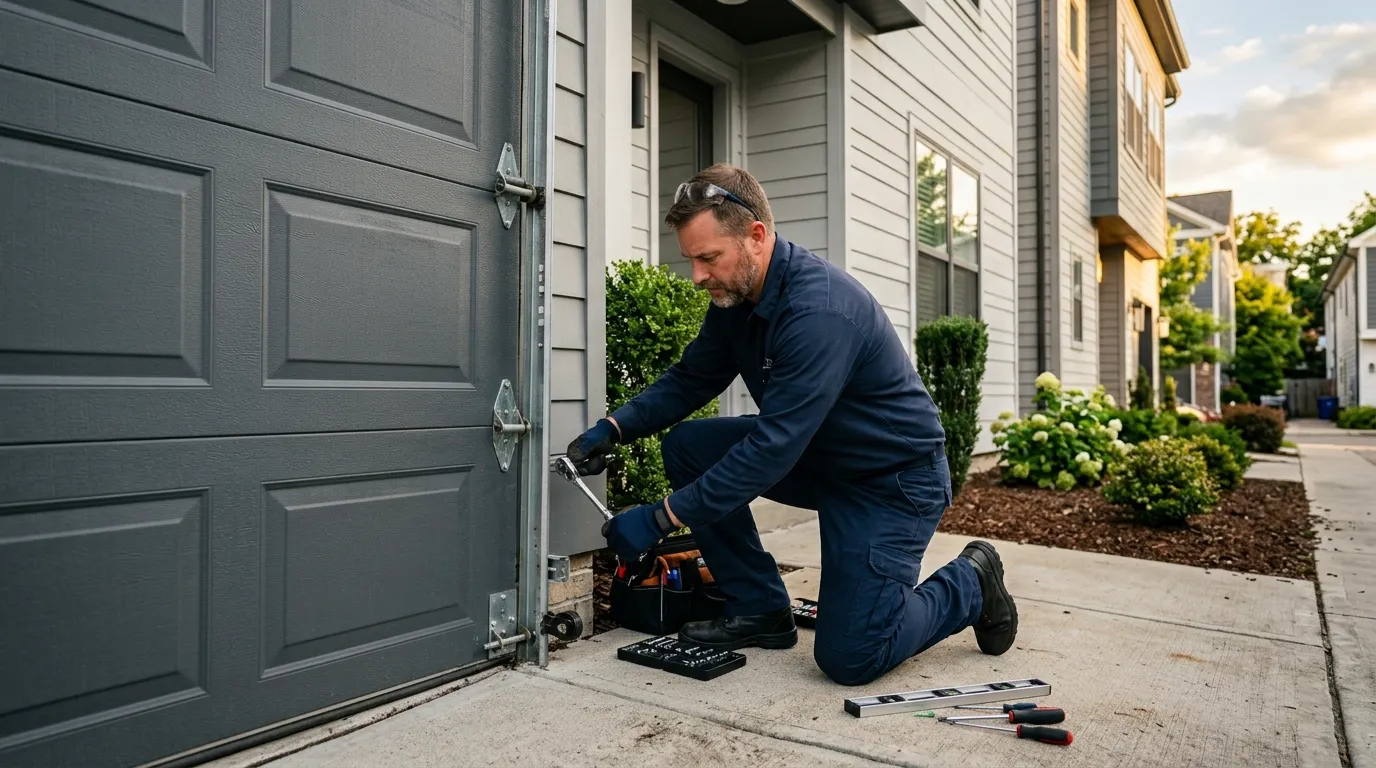
A technician tests the door under power and by hand and finds what actually failed.
03
Clear, up-front plan
You get the fix that’s needed and what drives the cost - before any work starts.
04
Repaired & tested
The repair is done, the door is set true and tested, and the work area left clean.
Serving Brownsville, TX - tell us what your door’s doing and we’ll take it from there.
Straight answers about garage door repair in Brownsville. Still unsure? Ask us directly.
Why does my garage door squeal only in the afternoon?
Heat is the usual reason. As the day warms up, dried-out grease on the rollers and hinges gets thinner and offers less cushion, so metal-on-metal contact gets louder. It's common on doors that haven't been lubricated in a year or more, especially ones facing direct sun for part of the day.
My house was built in the late 1980s and the door has never been serviced. Is that a problem?
It's worth a look. A lot of Brownsville homes from that era still have their original torsion springs and rollers, which have likely gone well past a normal service life by now. The door may still work fine, but a spring that old failing while the door is open is the scenario we'd rather catch first.
Is a grinding noise always the spring?
No. Grinding more often points to a dry or misaligned roller running in the track, or a worn opener gear if the sound only happens when the motor is running. A snapping or popping sound while the door is moving is more likely spring-related. Either way, run the door a few times and note when the sound happens before calling.