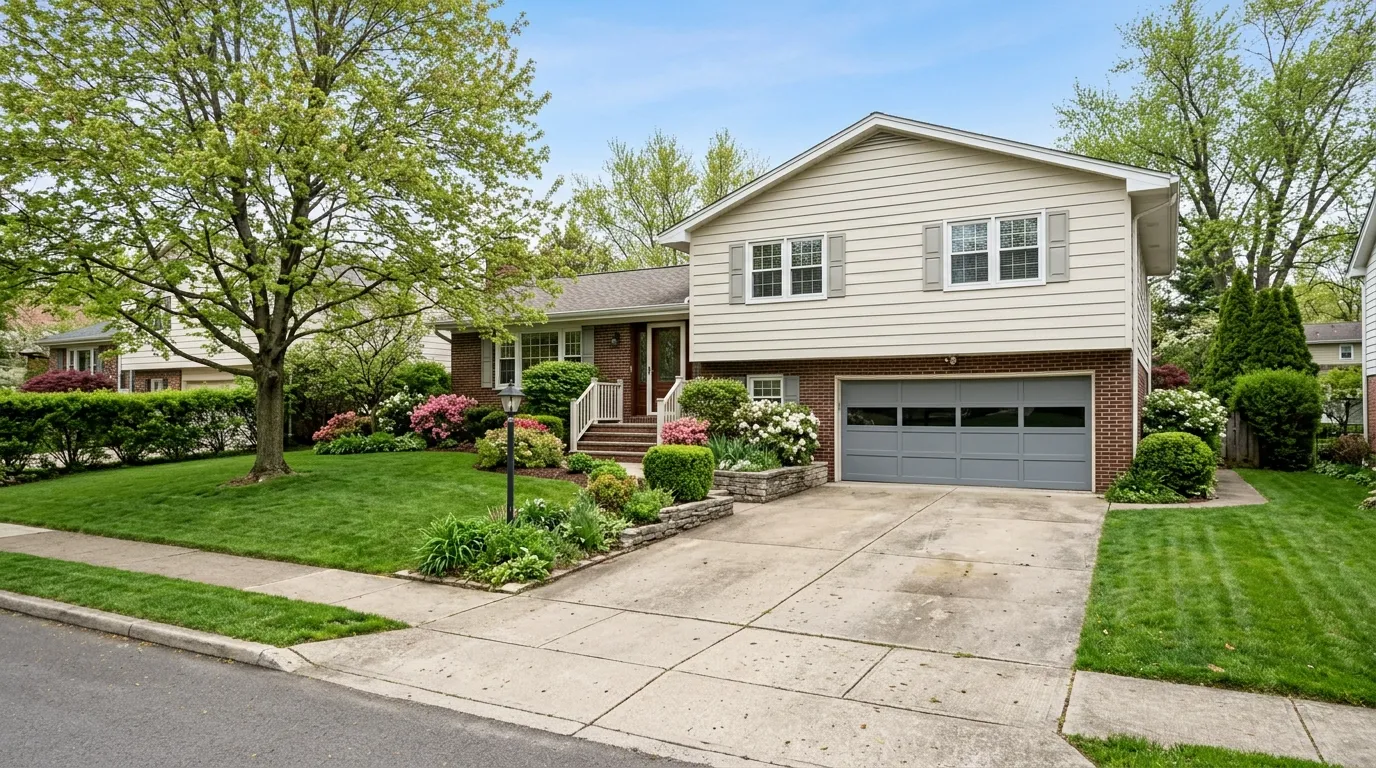
Mitte Cultural District sits about six miles southwest of downtown Brownsville. Cameron Park is roughly two miles off to the northeast, and Southmost is about six miles south, which puts this pocket of the city between two much older and much newer stretches of housing. We don't have street names or landmark addresses on file for this neighborhood specifically, so we're not going to pretend we do - what we can speak to is the housing itself and what it means for the door on your garage.
If you're calling us from here, tell us your cross streets when you book. That's more useful to us than a neighborhood name anyway, since it tells us what kind of driveway and slab we're likely dealing with before the truck even leaves.
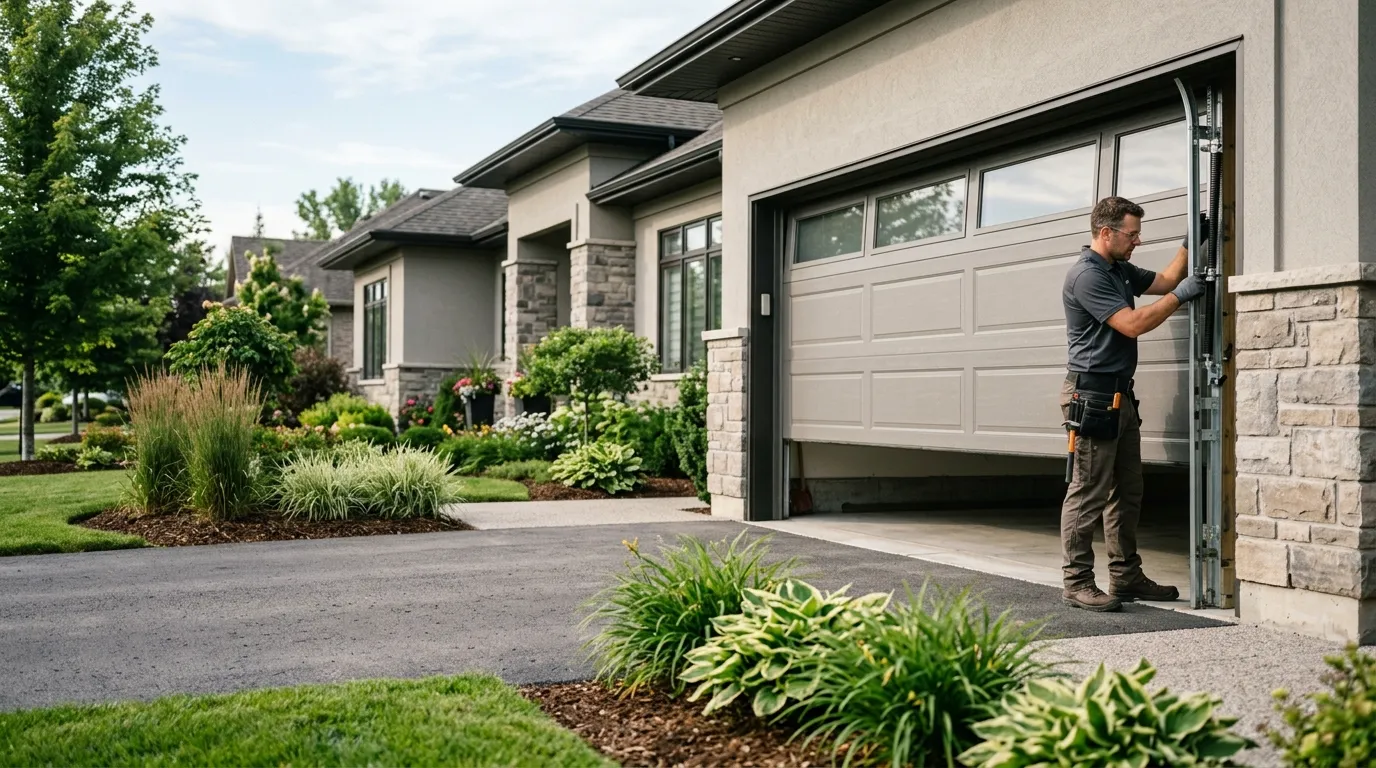
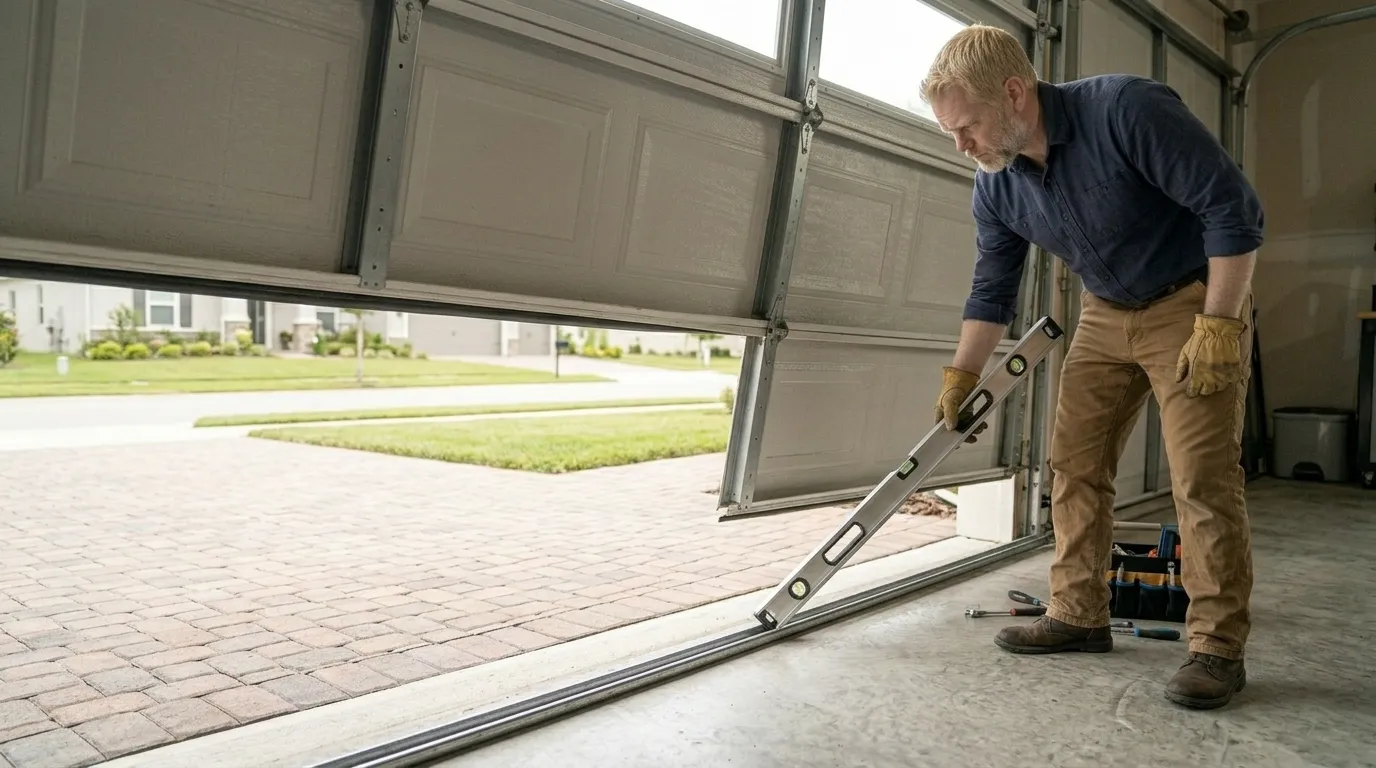
Getting a Look at It
Across this part of Brownsville, most houses went up between 1983 and 2001, with the median build year landing around 1986. That's a specific and useful window. It means the garage openings on most of these houses were framed for steel sectional doors, not the older single-panel wood doors you'd find in parts of the city built decades earlier - and it means the openers, if original, are chain-drive units from a stretch of years when 1/3 horsepower motors and basic photo-eye setups were standard.
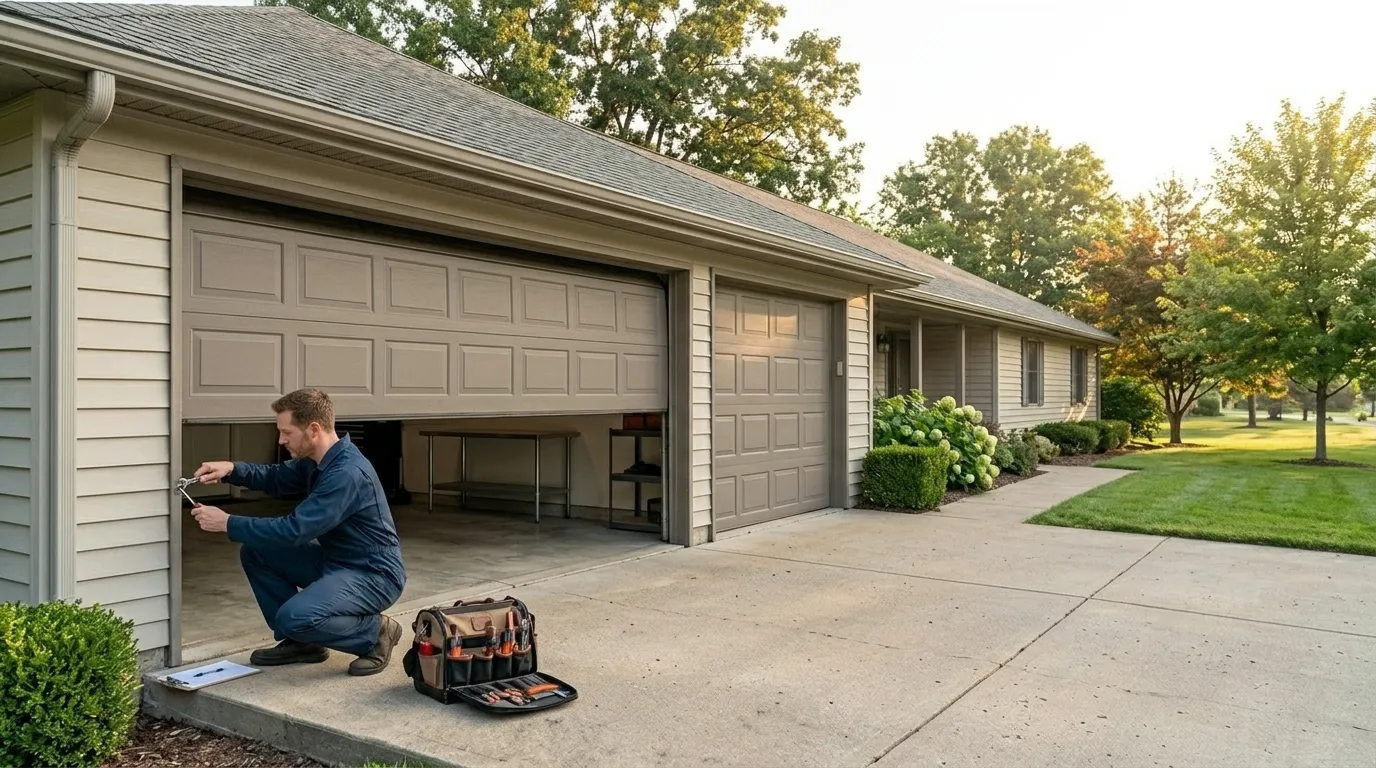
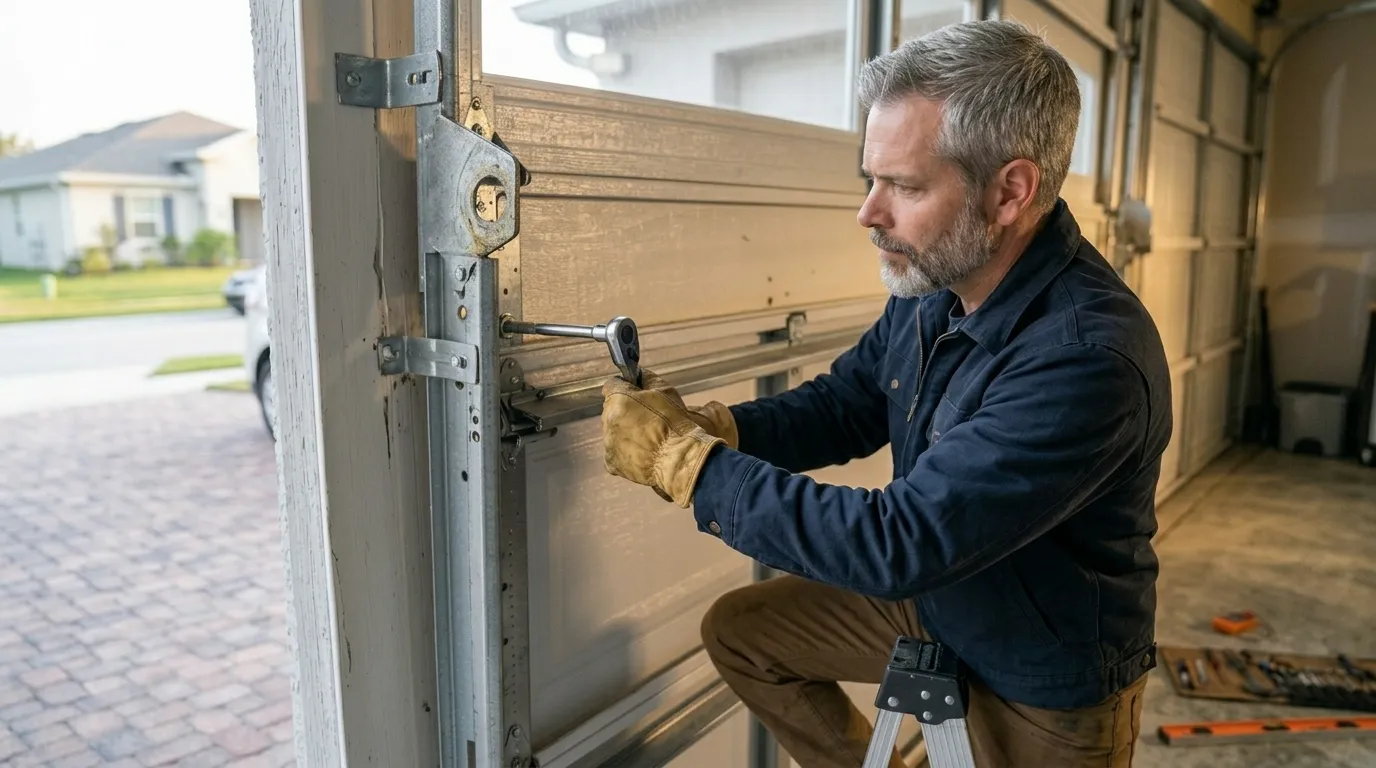
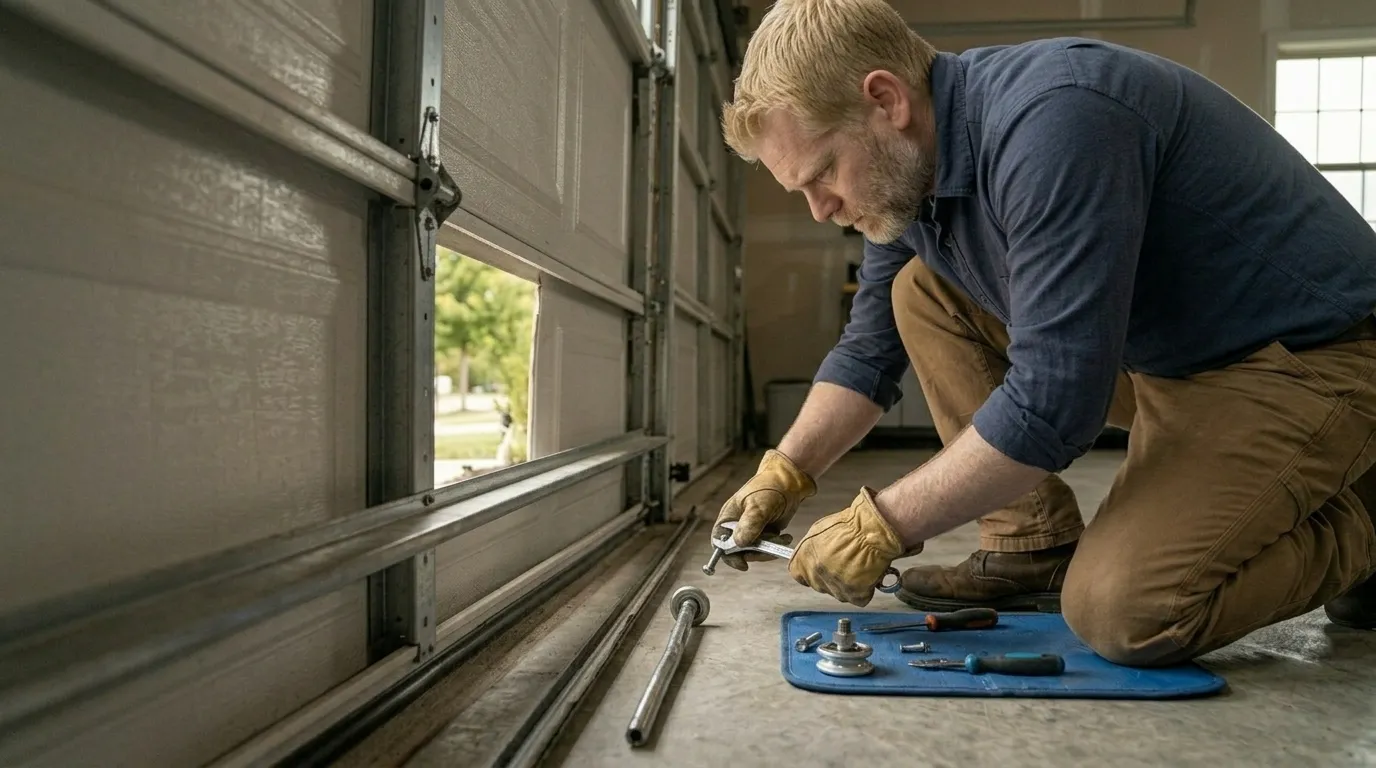
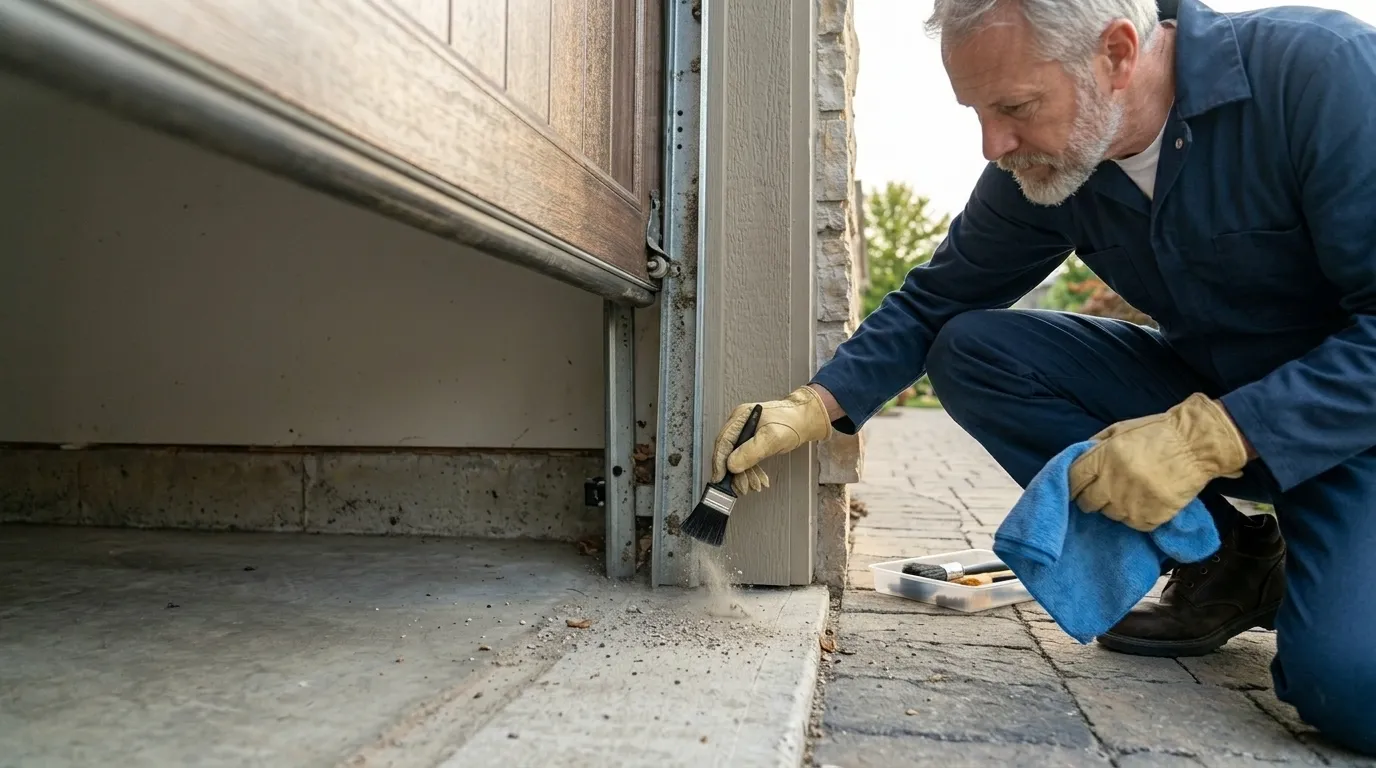
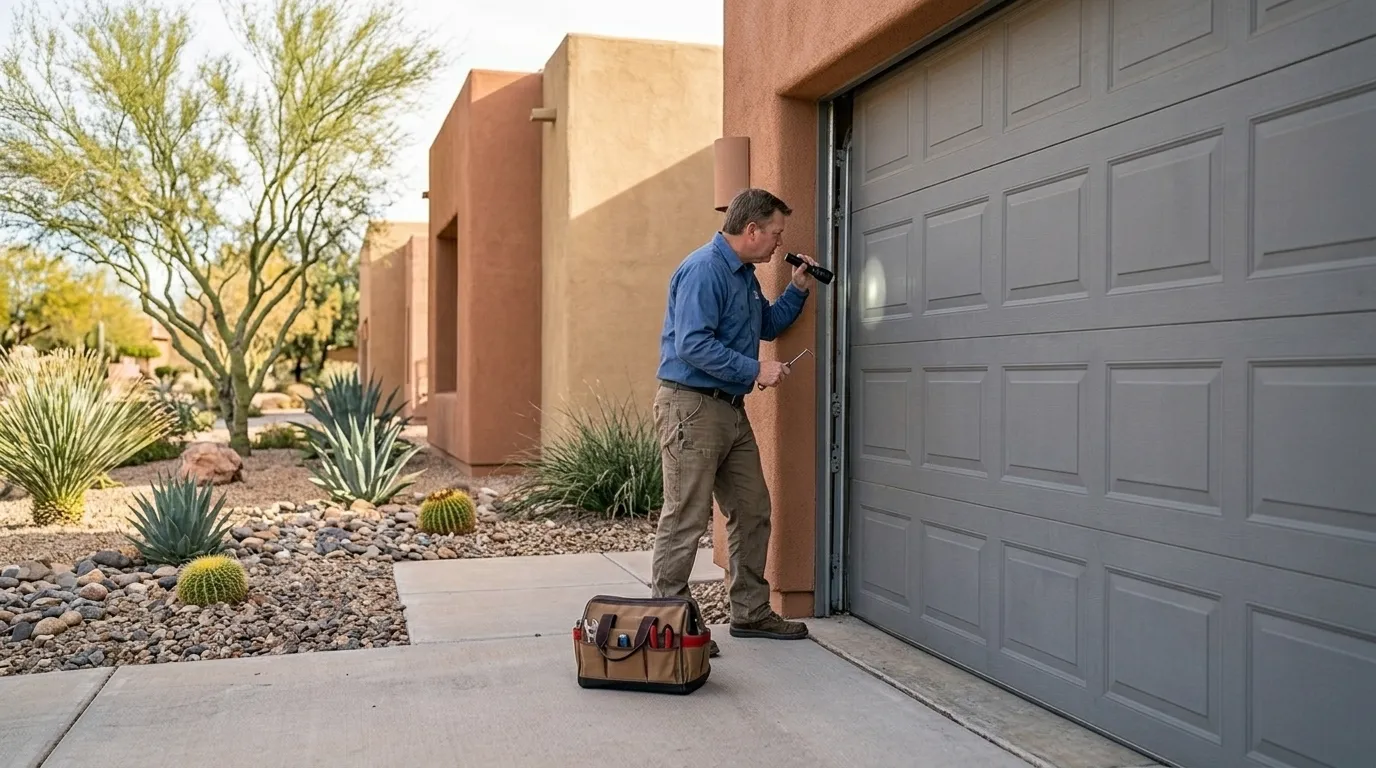
The mild temperate climate here doesn't put the same stress on hardware that a freeze-thaw region does. We're not chasing frozen tracks or snow-loaded springs. What we do see, on doors this age, is rust creep on cables and rollers from humidity and years of heat cycling, plus torsion springs that were never rated for the number of cycles they've now put in. A visual check tells us fast which one we're dealing with.
The Doors Around Here
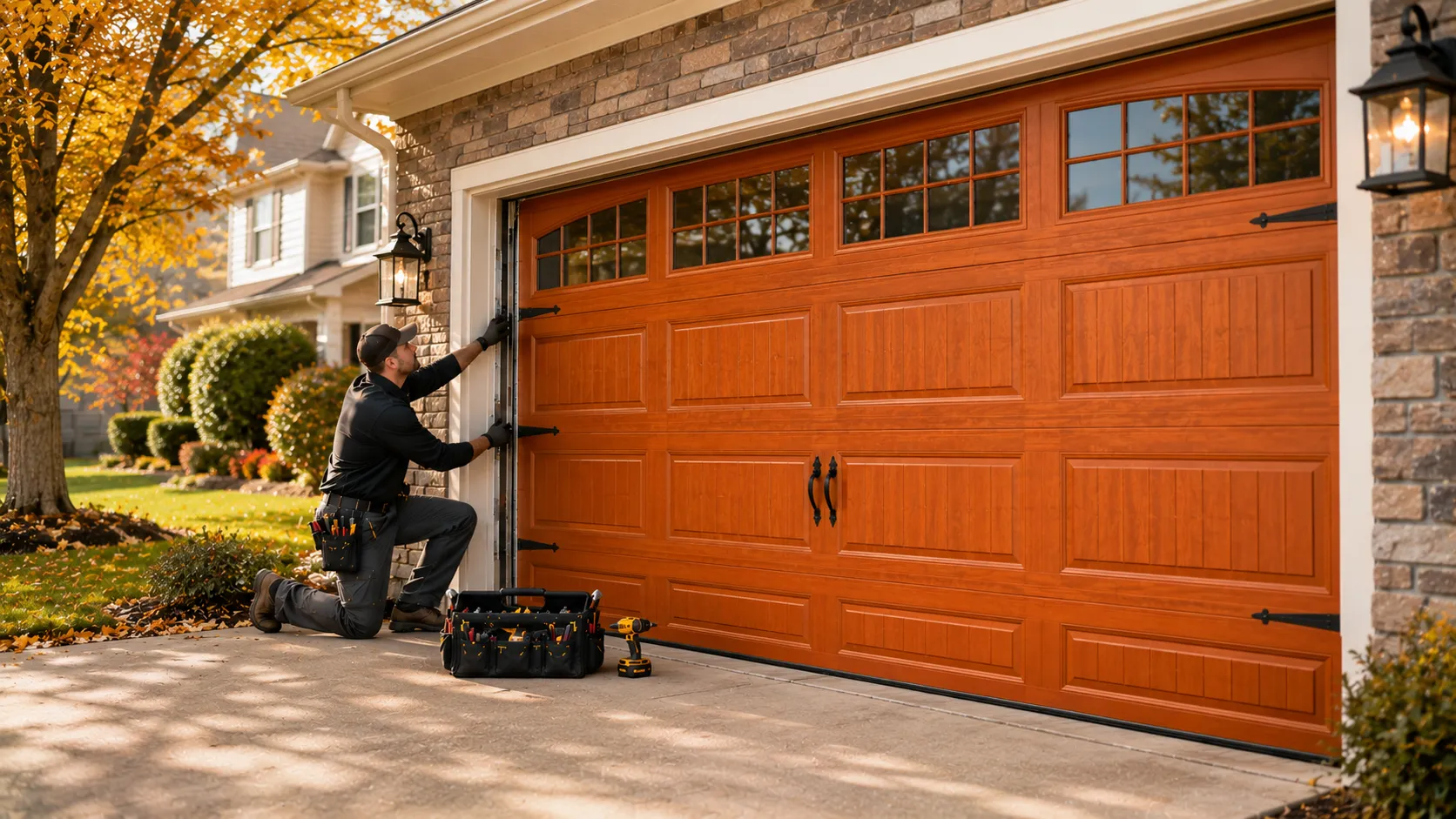
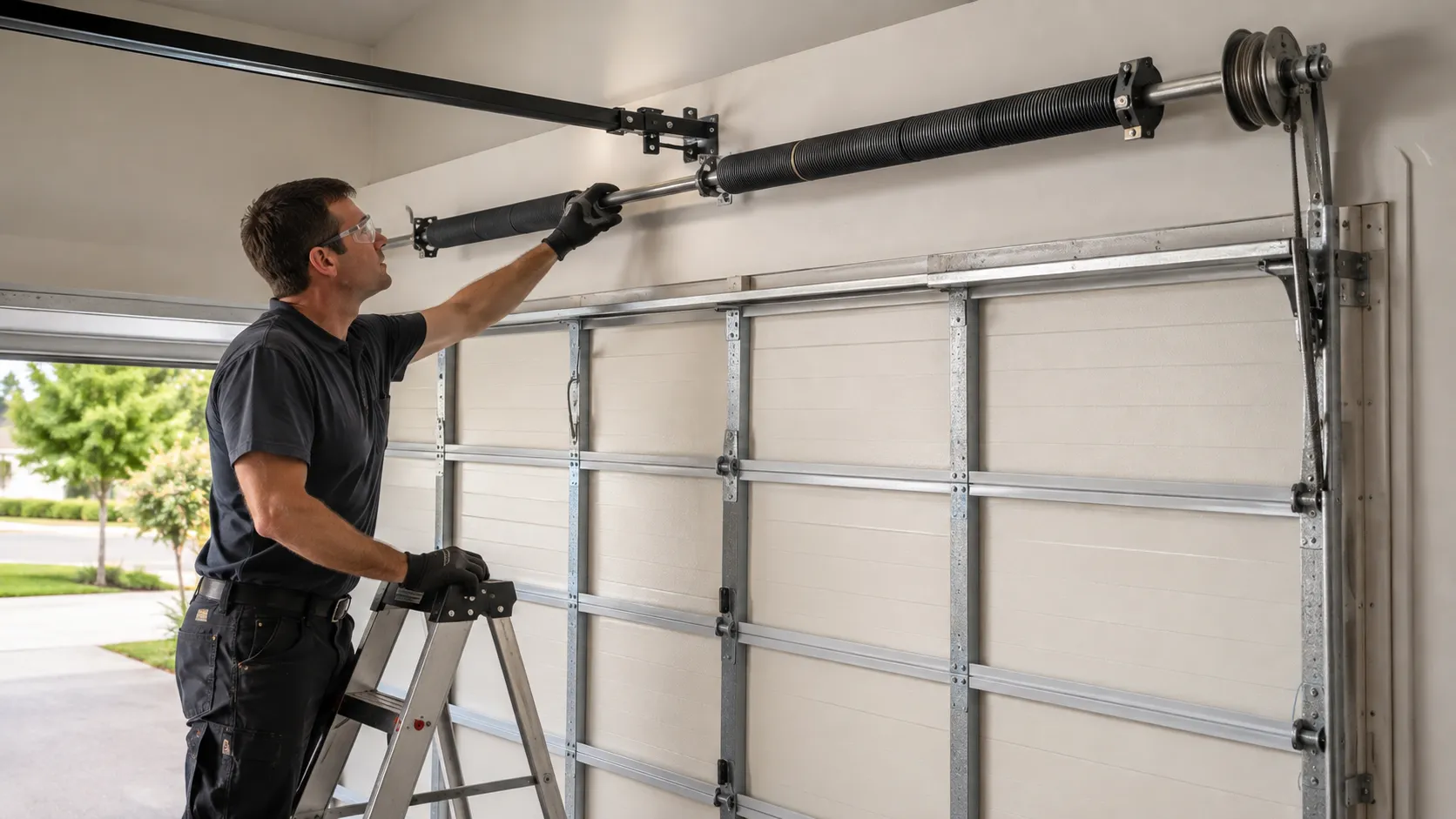
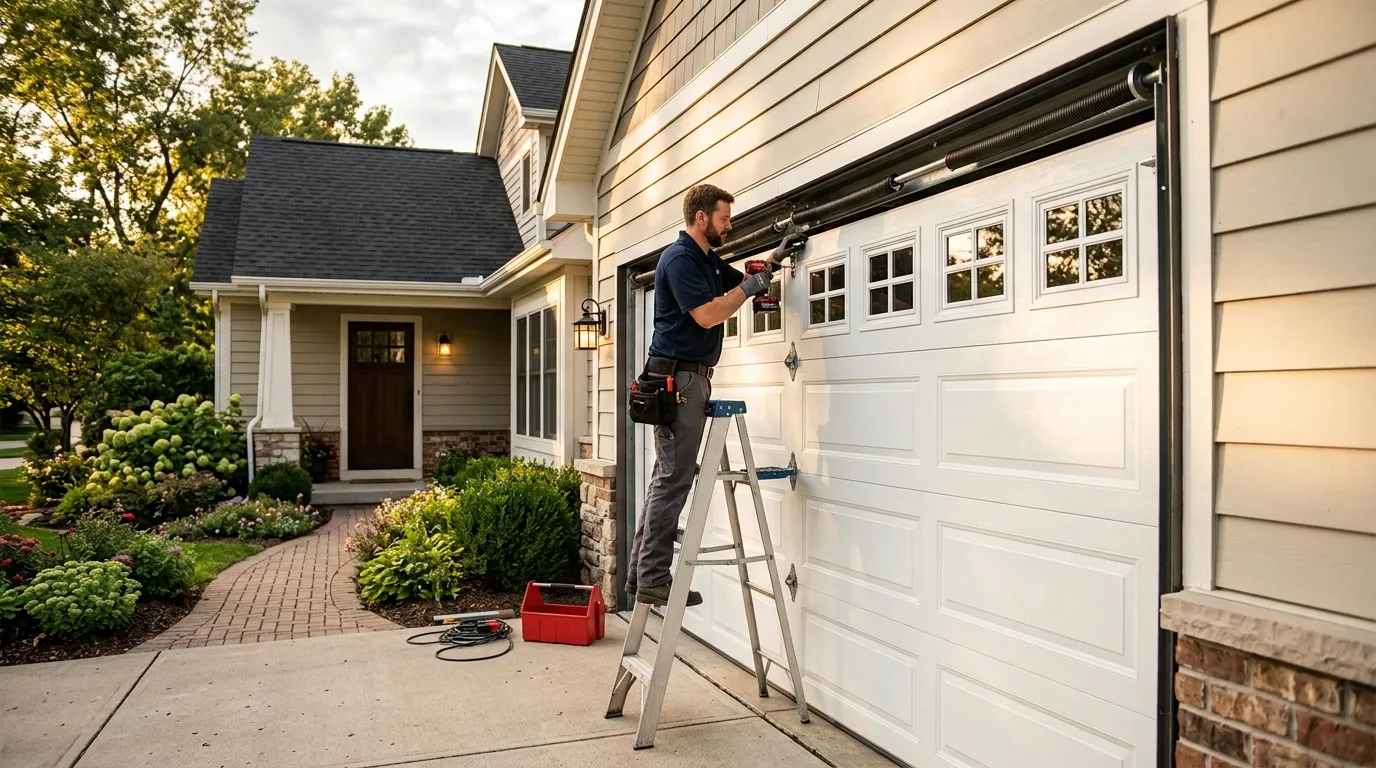
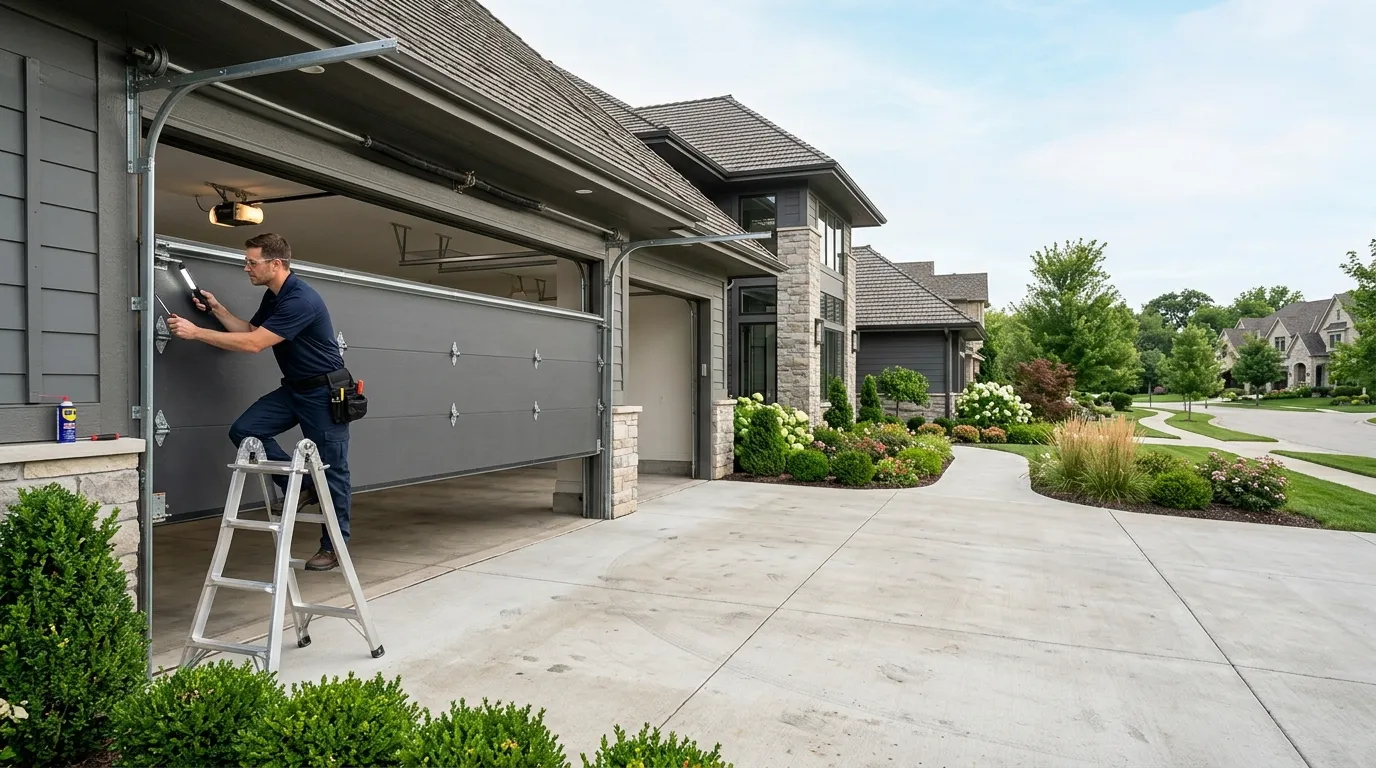
Given the 1983-2001 build window, the doors we expect to find in this neighborhood are steel sectional, most on torsion spring hardware mounted above the opening rather than the older side-mounted extension setups. If the door is original to the house, the spring is now roughly three to four decades old, well past what any spring is built to handle regardless of how it looks from the ground.
Openers from that era are usually chain-drive, and by now most have had at least one logic board or motor replacement, sometimes more than one. Parts for openers that old aren't always sitting on a shelf - if yours is truly original, expect us to tell you straight whether a repair is worth doing or whether a new opener is the better spend. That's not us upselling; it's the honest math on a unit built when Reagan was in his second term.
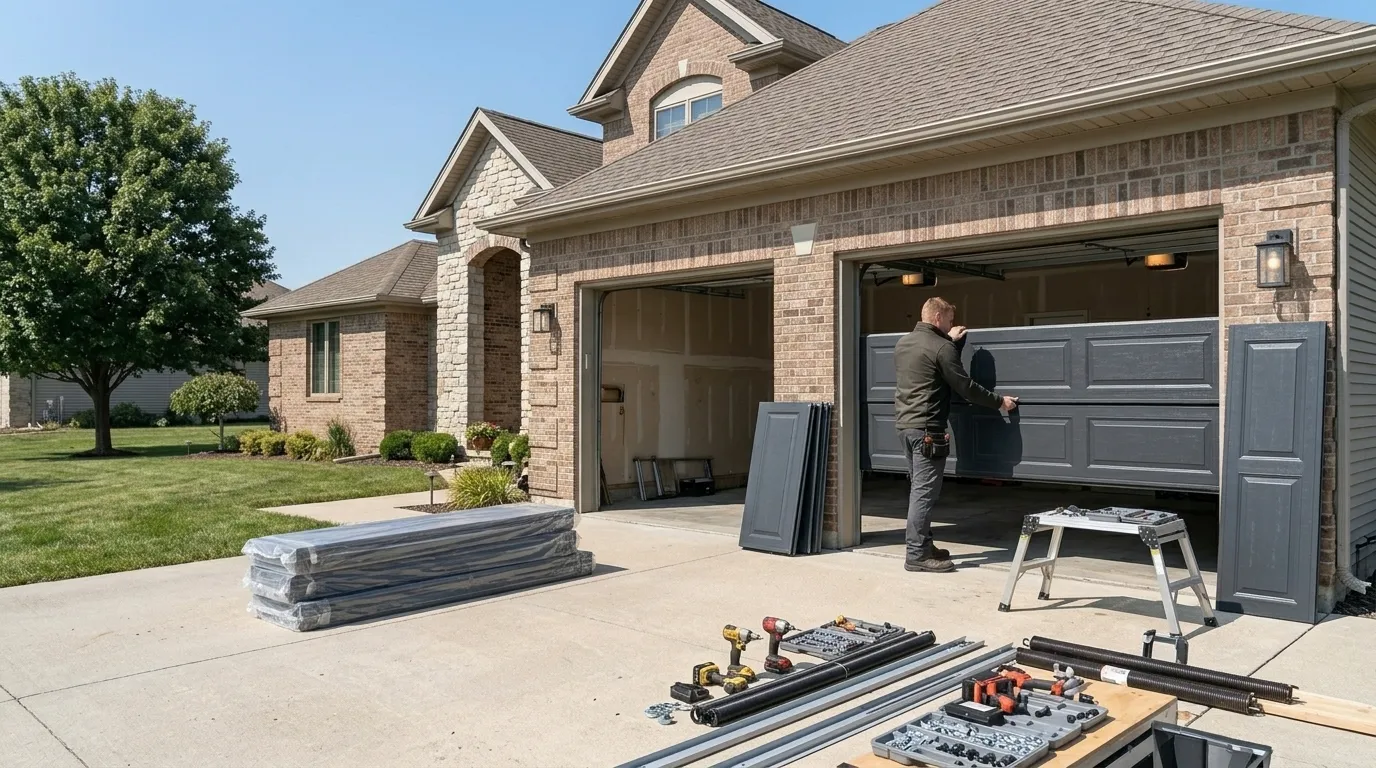
We don't carry every obscure panel width from the mid-80s, since manufacturers changed standard sizes more than once in that stretch. If a single panel needs matching rather than full replacement, that's the one job where we may need to order and come back.
How it works
From “it’s stuck” to “it’s fixed”
01
Tell us what’s wrong
Describe the symptom - won’t open, loud bang, opener runs but the door won’t move.
02
On-site diagnosis
A technician tests the door under power and by hand and finds what actually failed.
03
Clear, up-front plan
You get the fix that’s needed and what drives the cost - before any work starts.
04
Repaired & tested
The repair is done, the door is set true and tested, and the work area left clean.
Serving Brownsville, TX - tell us what your door’s doing and we’ll take it from there.
Straight answers about garage door repair in Brownsville. Still unsure? Ask us directly.
How old are most garage doors in Mitte Cultural District?
Most of the housing in this part of Brownsville was built between 1983 and 2001, with a median build year around 1986. That puts most original doors and openers at somewhere between two and four decades old, which is well beyond the working life of a torsion spring.
Do you know the exact streets in Mitte Cultural District?
No, and we're not going to guess. We work from cross streets and the house itself, not a landmark list. What we can tell you with confidence is the housing era for this stretch of Brownsville and what that means for the hardware on your door.
Does the climate here cause garage door problems?
The mild temperate climate in this area doesn't put the same strain on springs and tracks that freeze-thaw regions see. The wear we find here is mostly humidity-driven rust on cables and rollers, and springs simply reaching the end of their cycle count.