Installing garage doors in Brownsville's 1980s-90s housing stock, from Cameron Park to Southmost. Straight talk on what fails, what it costs, and what the job takes.
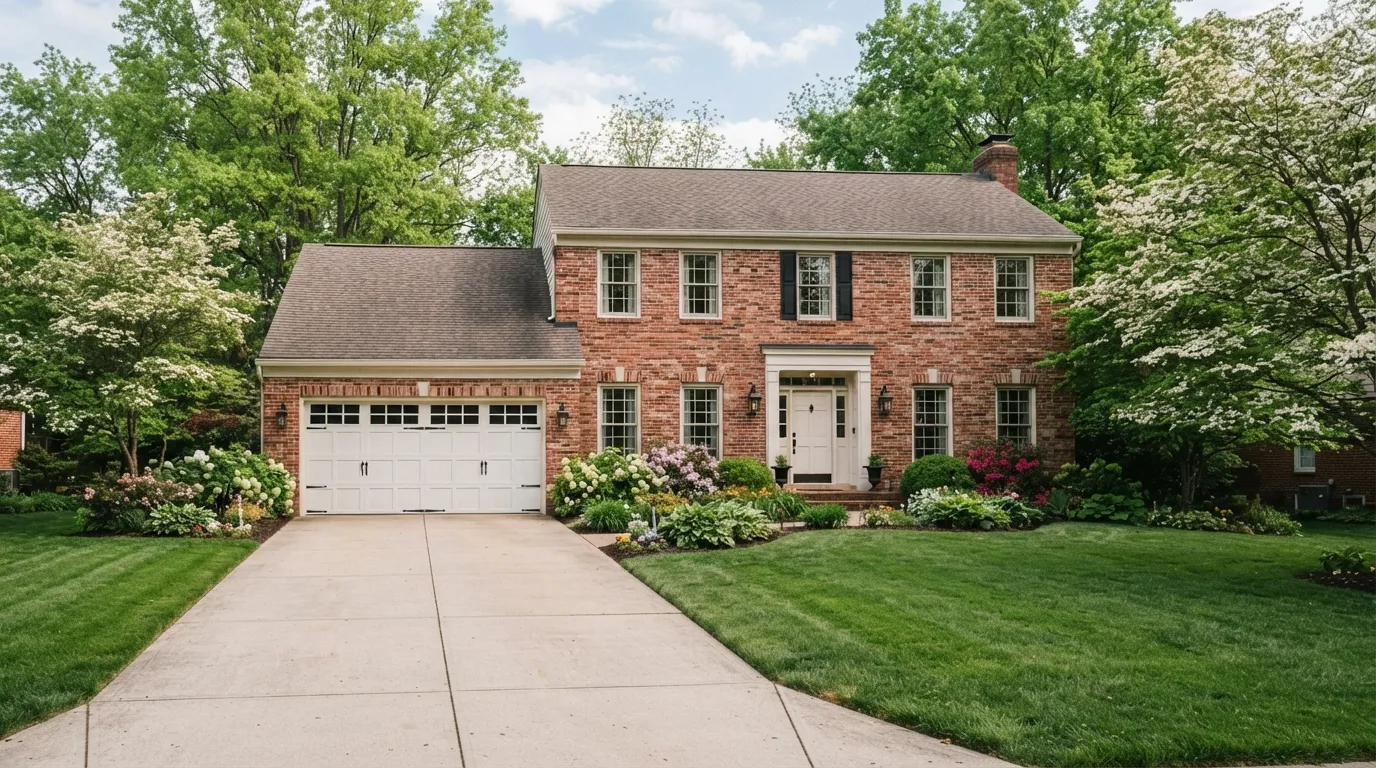
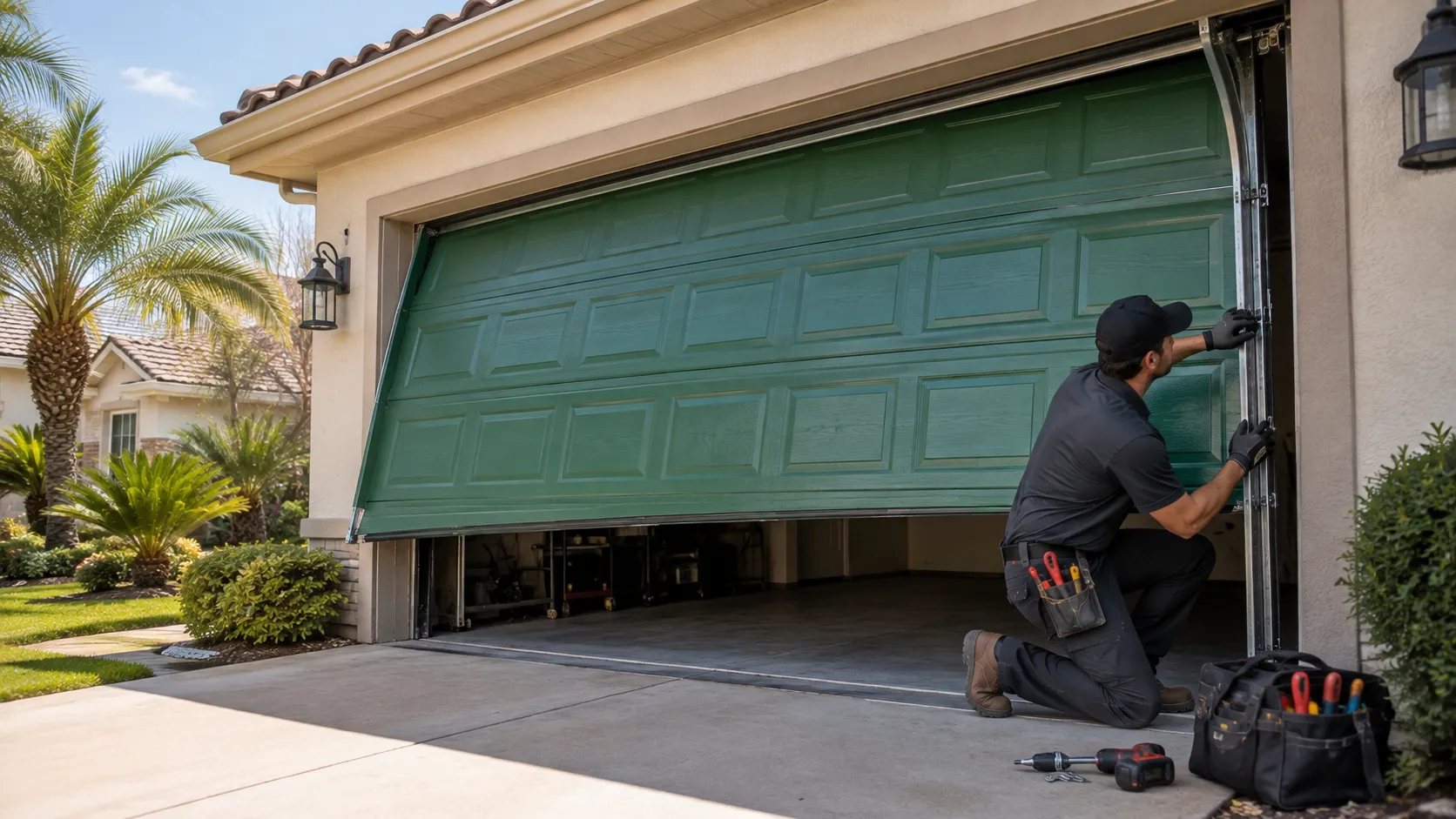
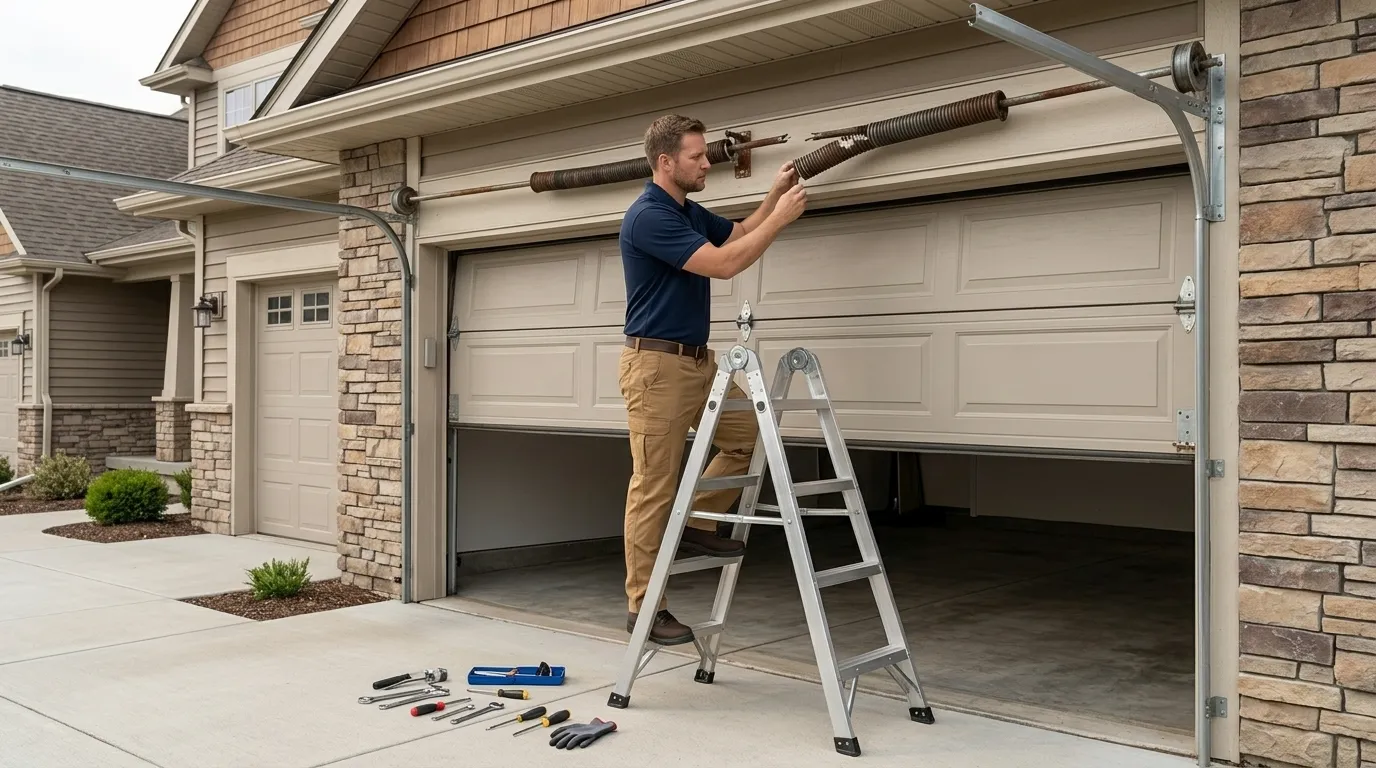
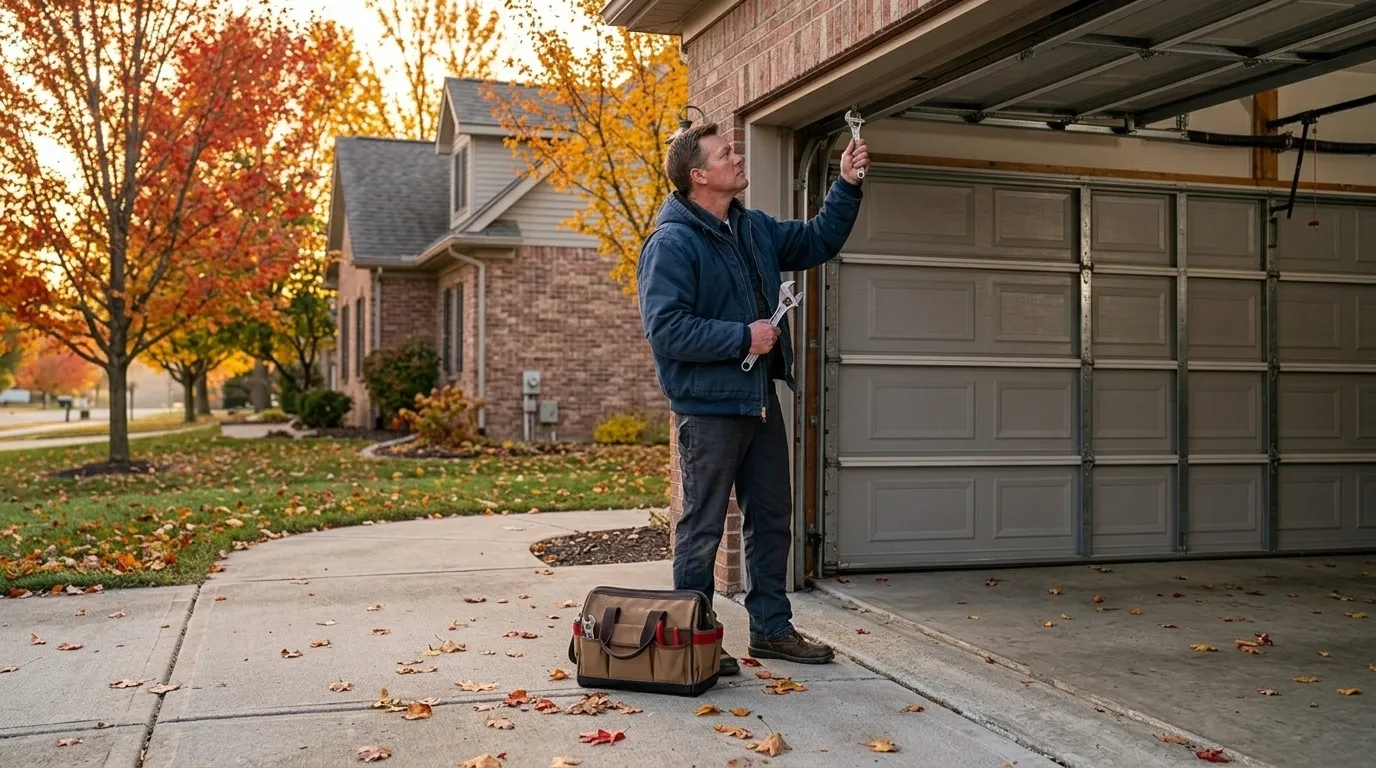
Most houses in this part of Brownsville went up between 1983 and 2001, with a median build year of 1986. That means a lot of the original garage doors are now 25 to 40 years old, and they show it the same way every time: the door sags at one corner, the opener strains and reverses partway up, or the panels have gone soft and dented from decades of Texas sun. Some owners still have the single steel door that came with the house when it was built - no insulation, one thin torsion spring sized for a lighter door than the ones sold today. When that spring finally lets go, or the track bends past the point of adjustment, patching it stops making sense. That's a replacement, not a repair, and it's the point where most of our installation calls start. If your door still opens fine but sounds rough or looks tired, it's worth a look before it fails on you at the worst time - usually a Saturday morning with the car half in the driveway.
What You Pay
We don't post a flat number here because the door itself drives most of the cost - steel versus insulated, single versus double, plain versus a design with windows - and that's a conversation we have on-site, not a guess over the phone. What we can tell you is how most Brownsville jobs shake out. The area's median household income is $55,387 across roughly 19,980 households, and the majority of installs we do reflect that: a solid steel door sized to last, not a premium wood-look upgrade nobody in the neighborhood is asking for. Of the 10,532 owner-occupied houses in the service area, most still carry a builder-grade door from whenever the house went up, and swapping it for a comparable modern door is usually the job, not a full custom build. If you want windows, insulation, or a heavier gauge, we'll price that separately so you know what's driving the number up before we start.
What Causes It Around Here
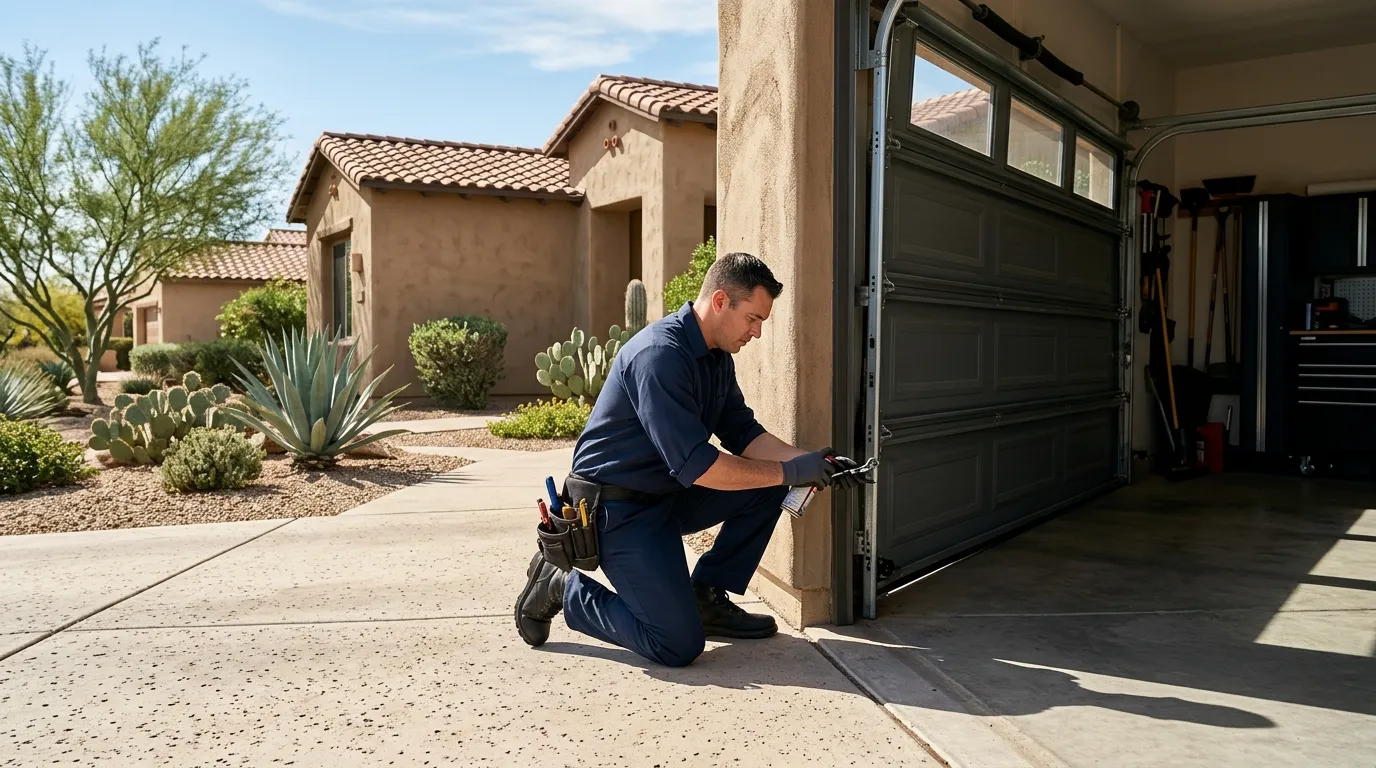
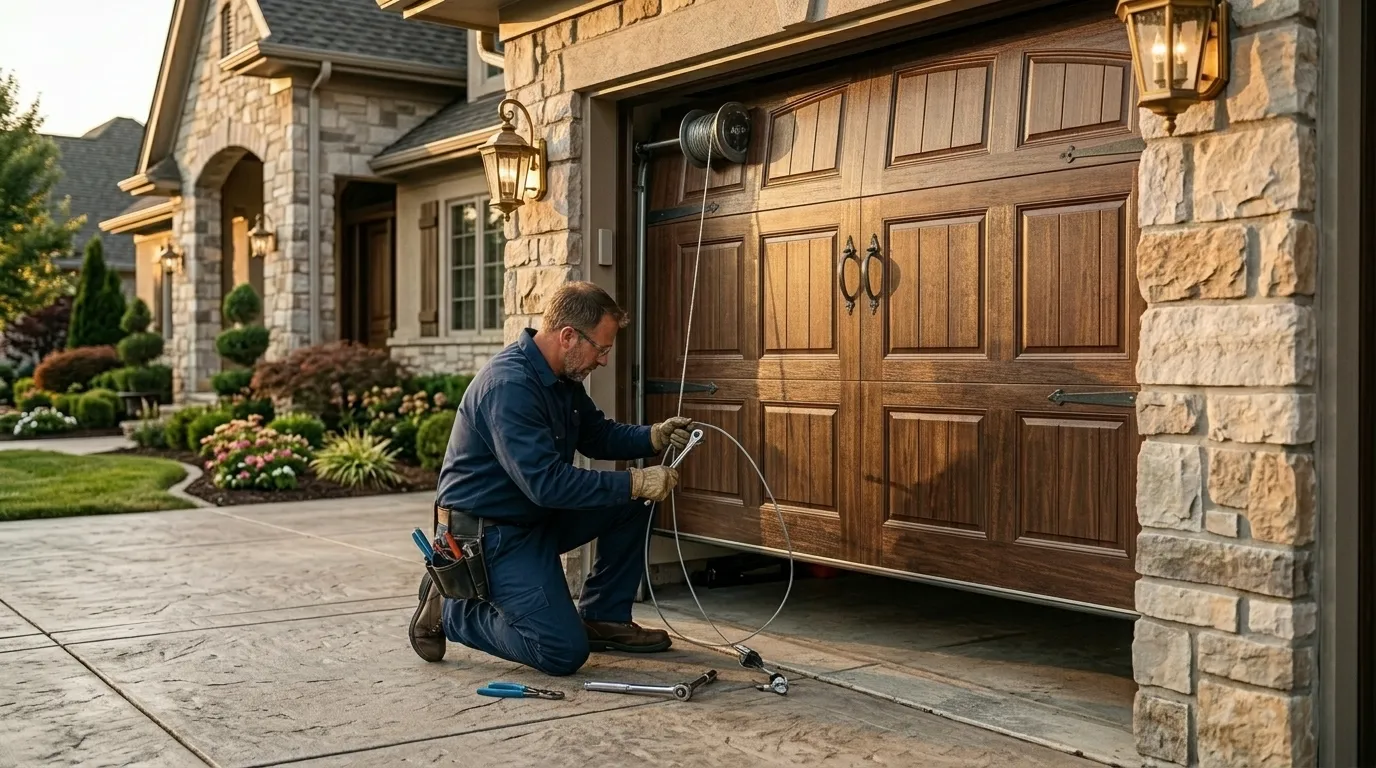
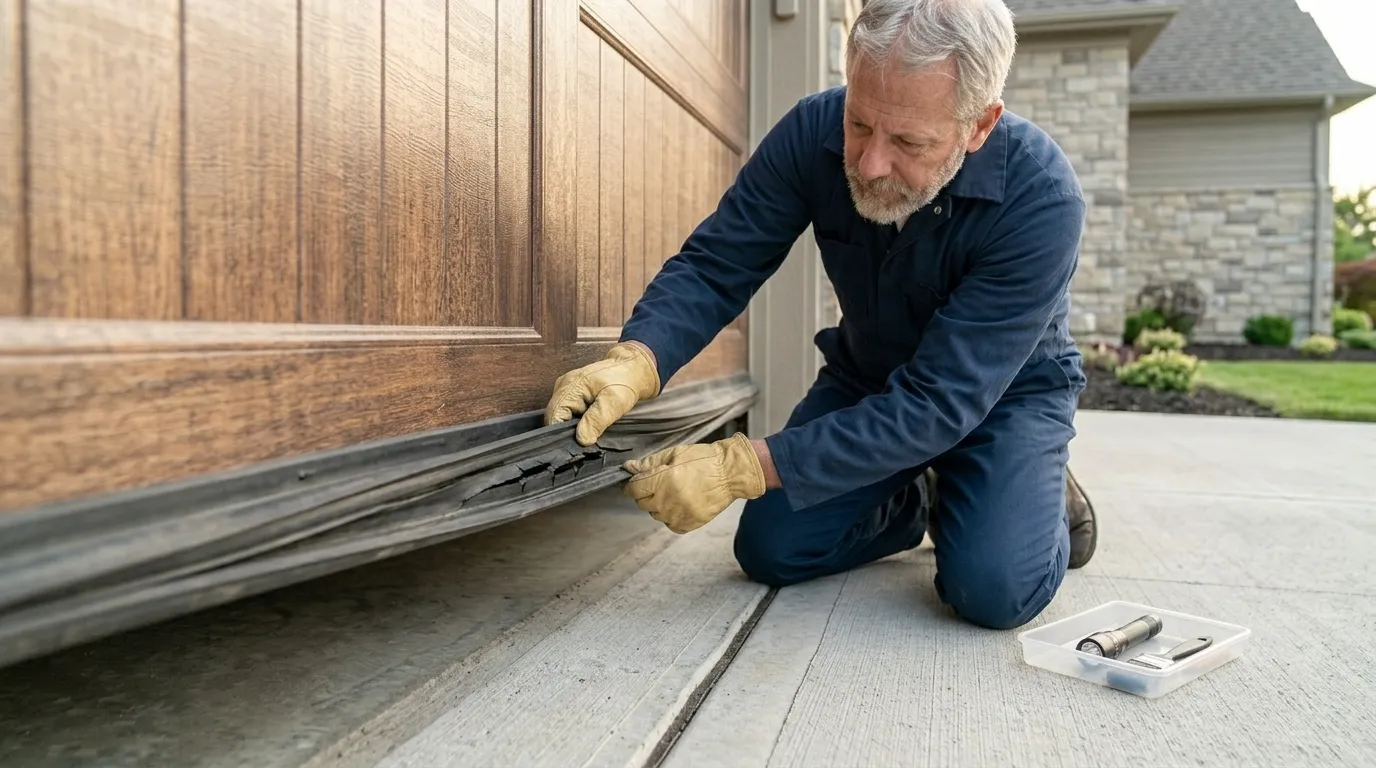
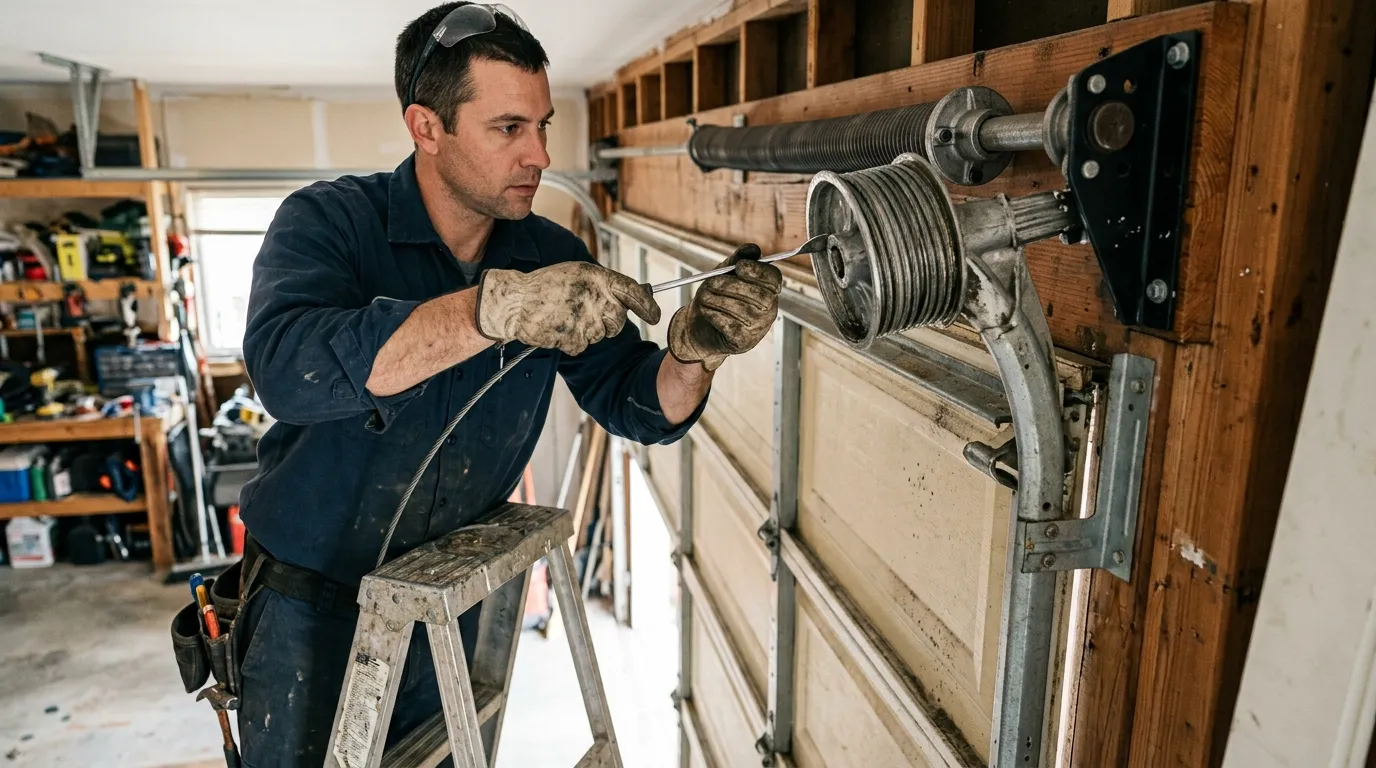
Brownsville sits in a mild temperate band, which cuts both ways for garage doors. On one hand, you don't get the freeze-thaw cycle that cracks panels or seizes torsion springs solid overnight the way it does farther north - when a door here fails, it's almost never a weather shock event. On the other hand, that same mild climate means doors run every day of the year with no winter break, so hardware just wears steadily instead of failing suddenly. Combine that with a housing stock mostly built in the 1980s and 90s - the same era across Cameron Park, Los Fresnos, Rancho Viejo, and the other communities we work in - and you get a predictable pattern: original torsion springs rated for a lighter, thinner door than what's sold now, rollers that were never sealed bearings to begin with, and tracks bent slightly out of true from decades of daily use. None of that is dramatic. It's just age catching up with hardware that was never built to last forty years.
What the Repair Takes
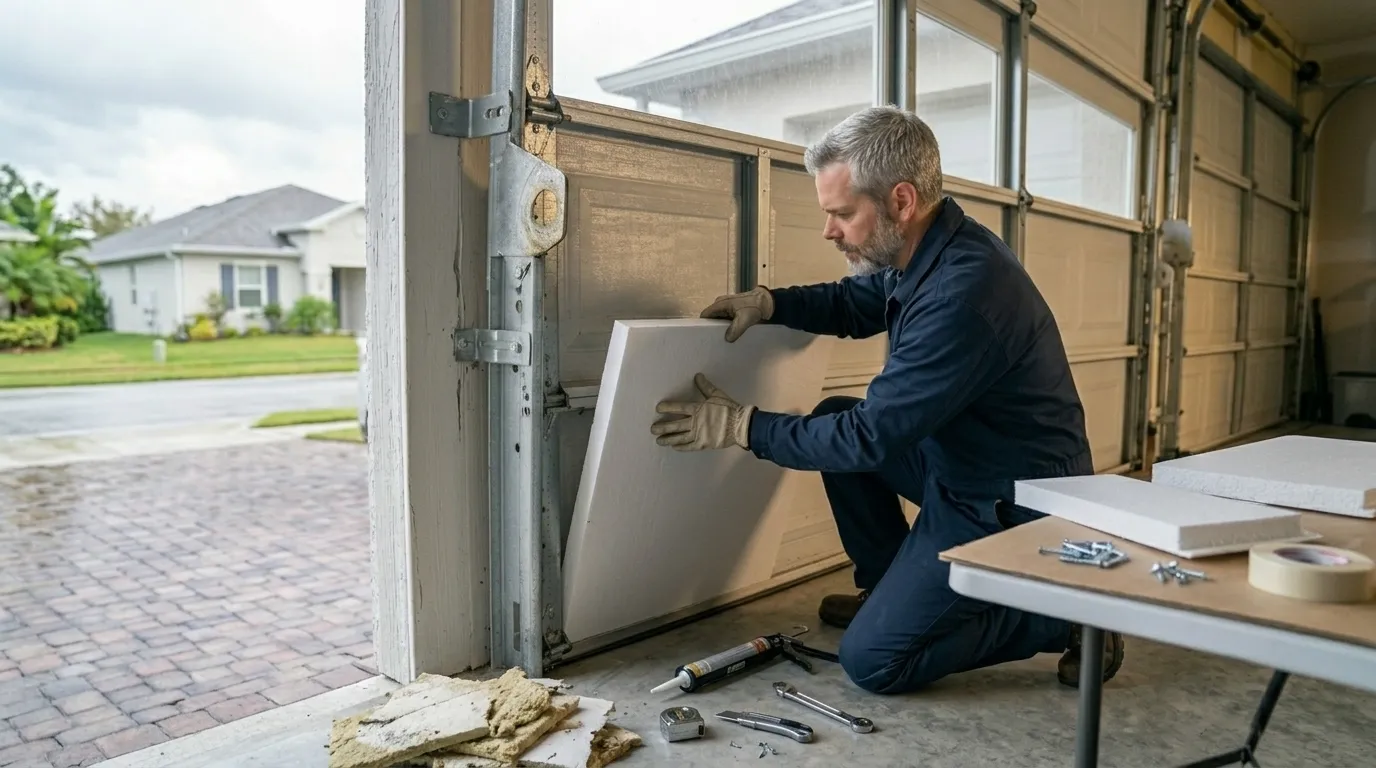
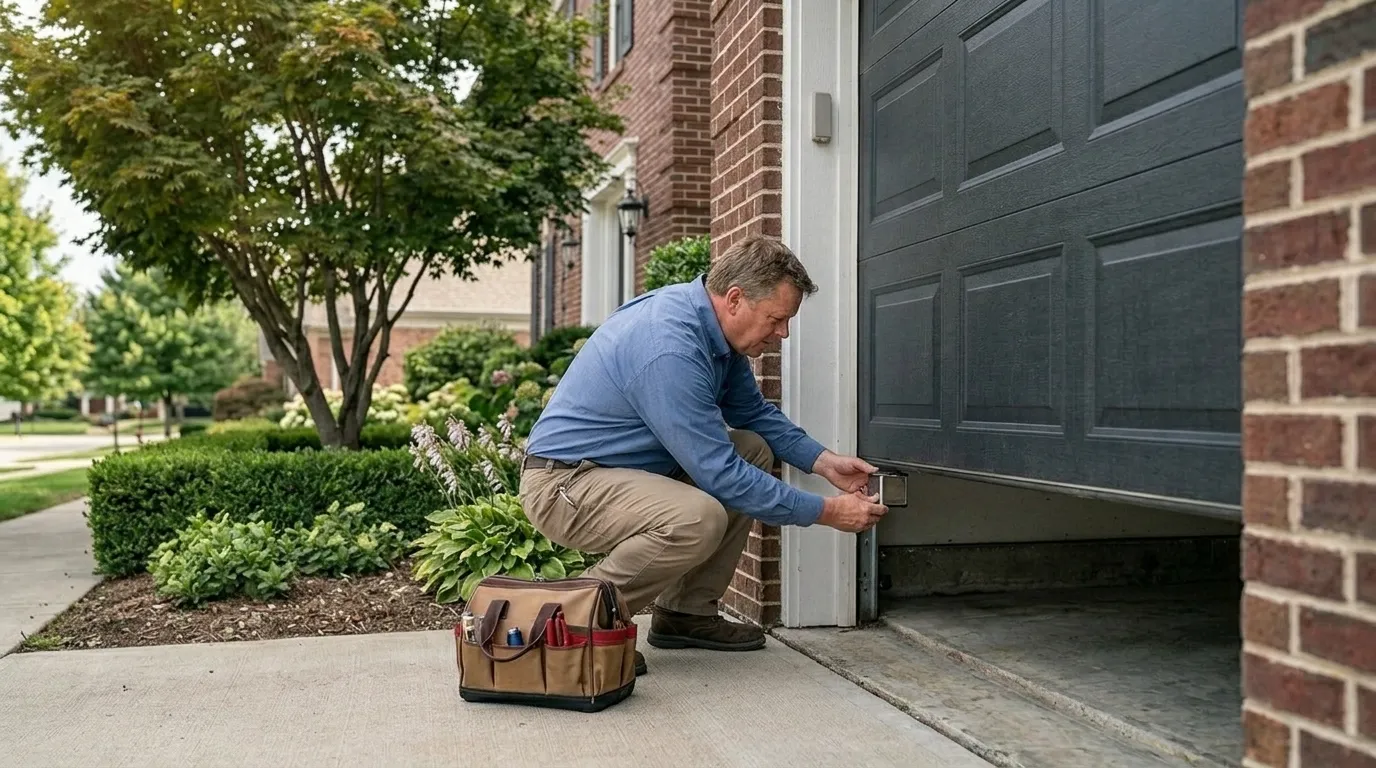
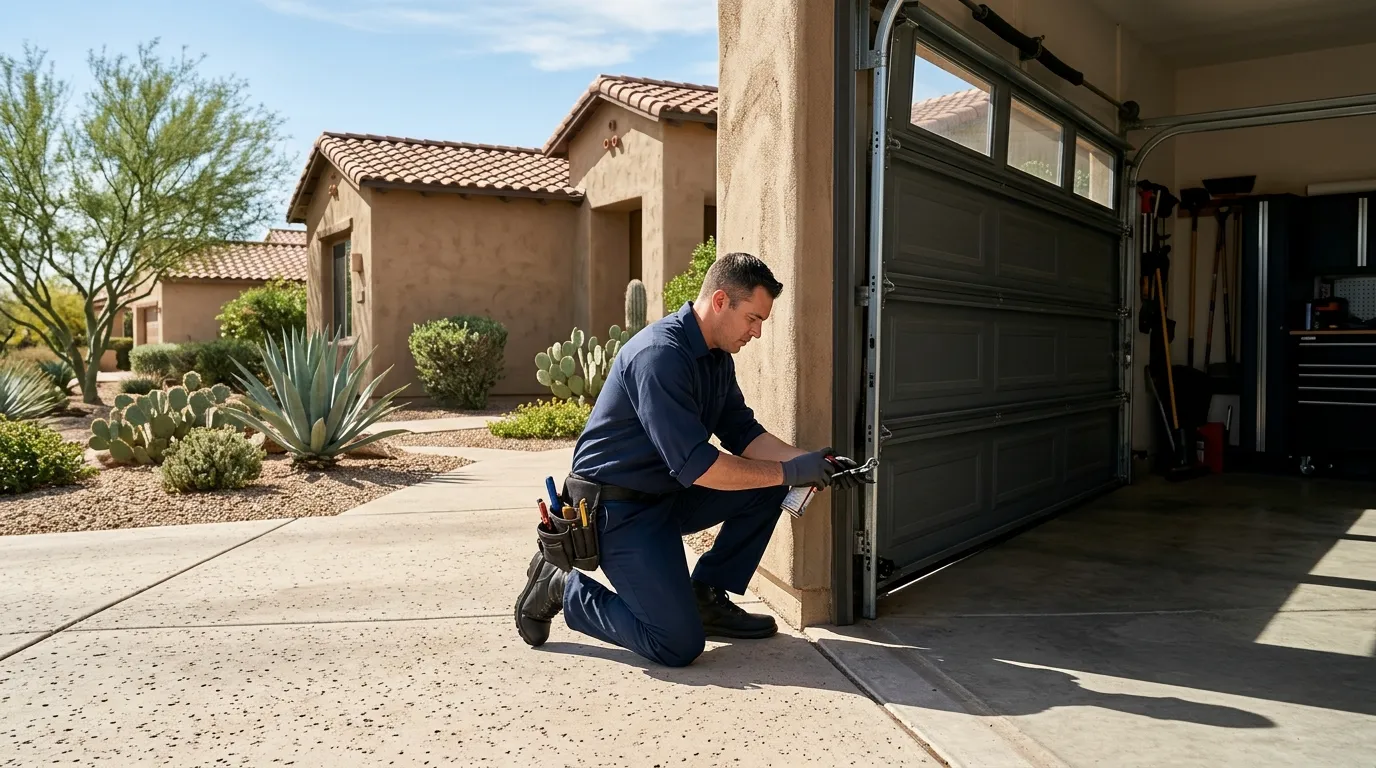
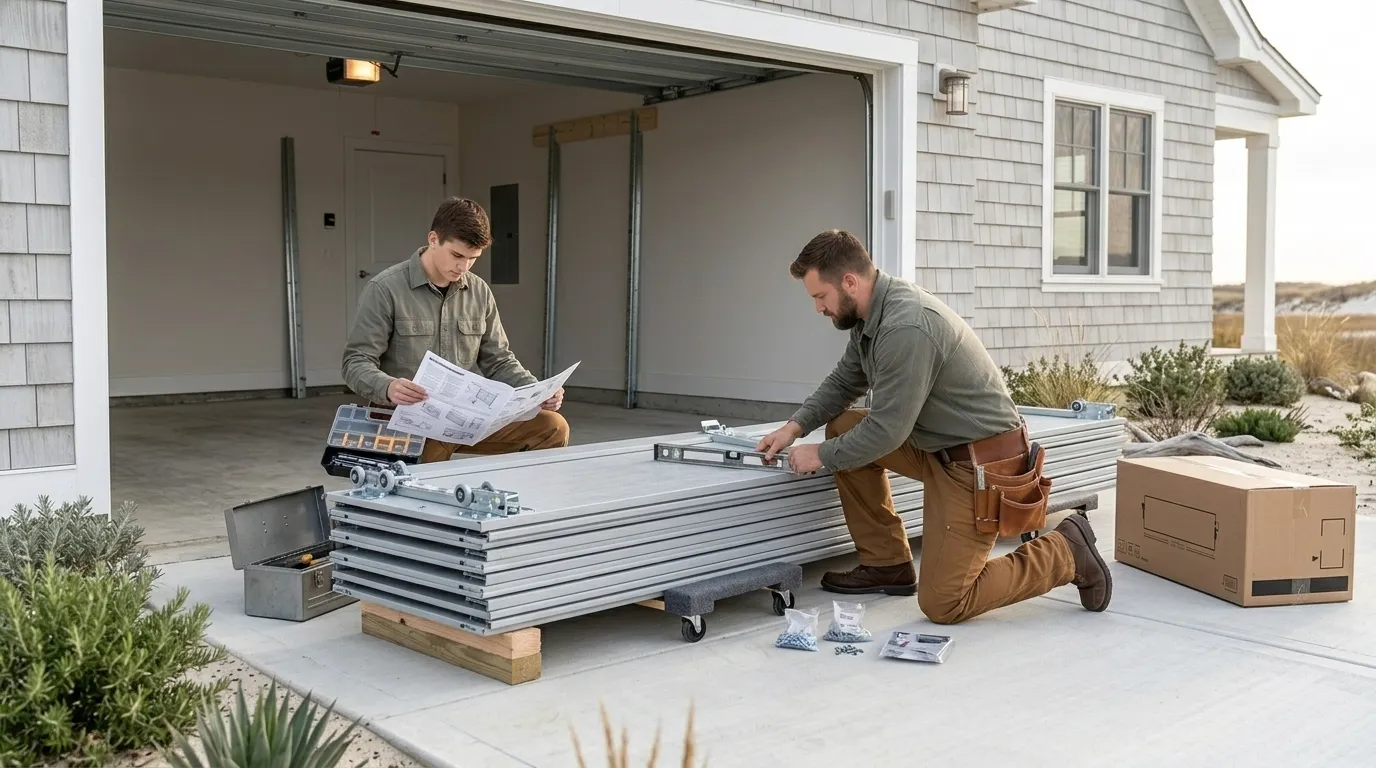
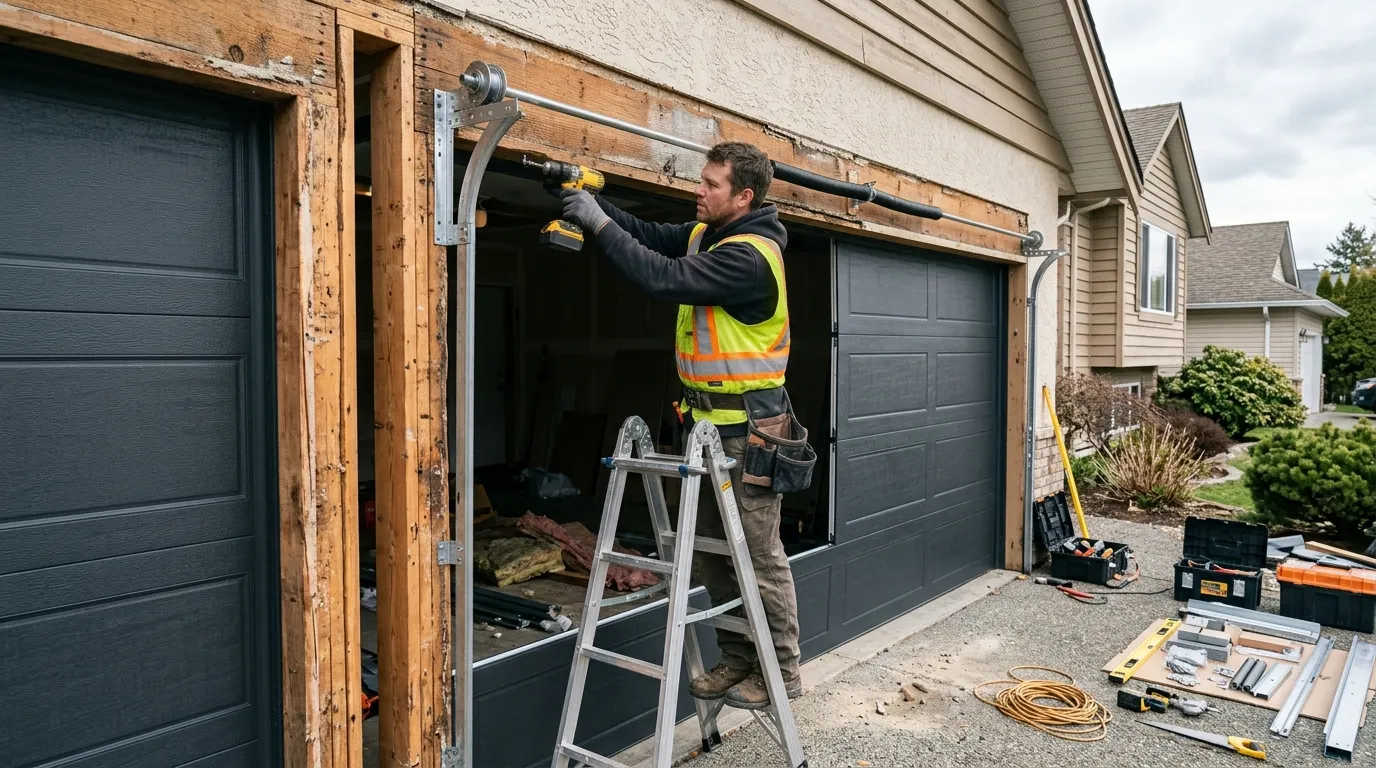
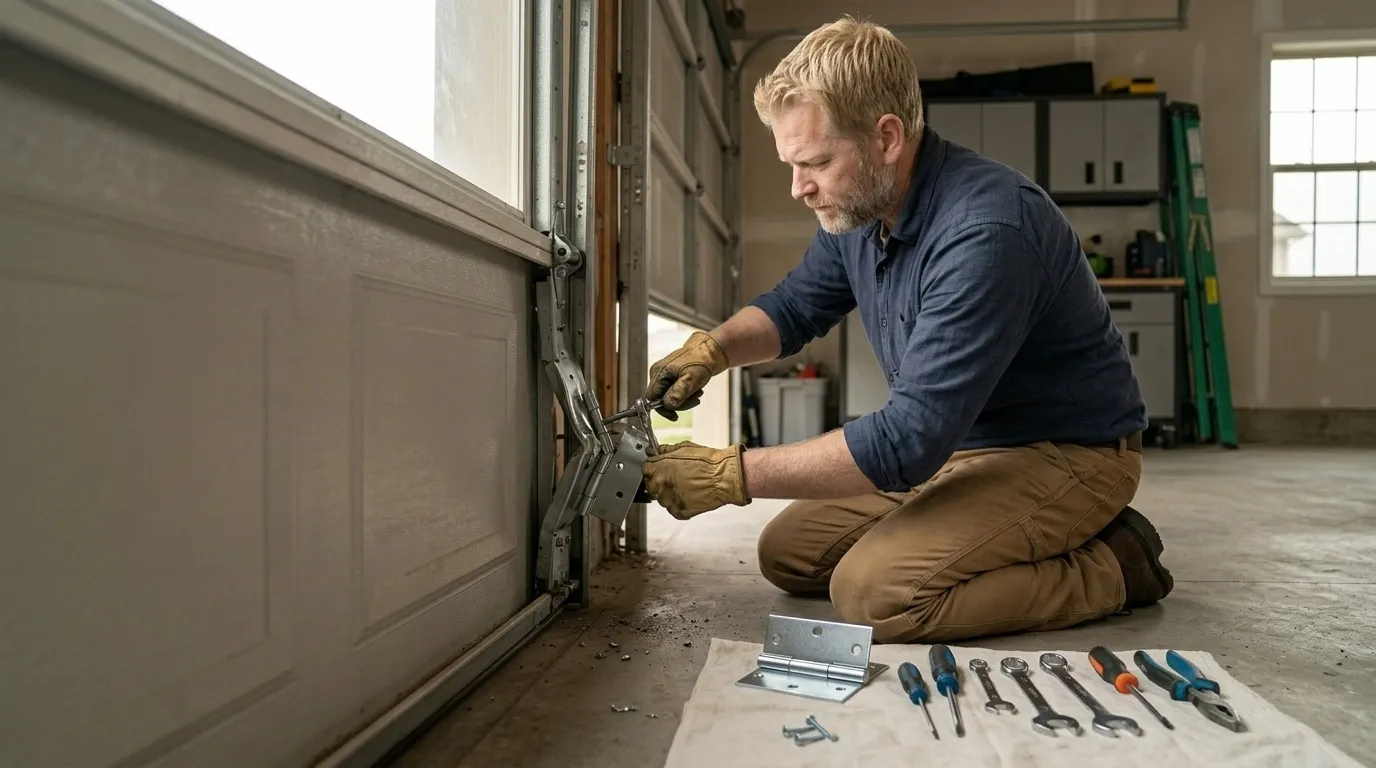
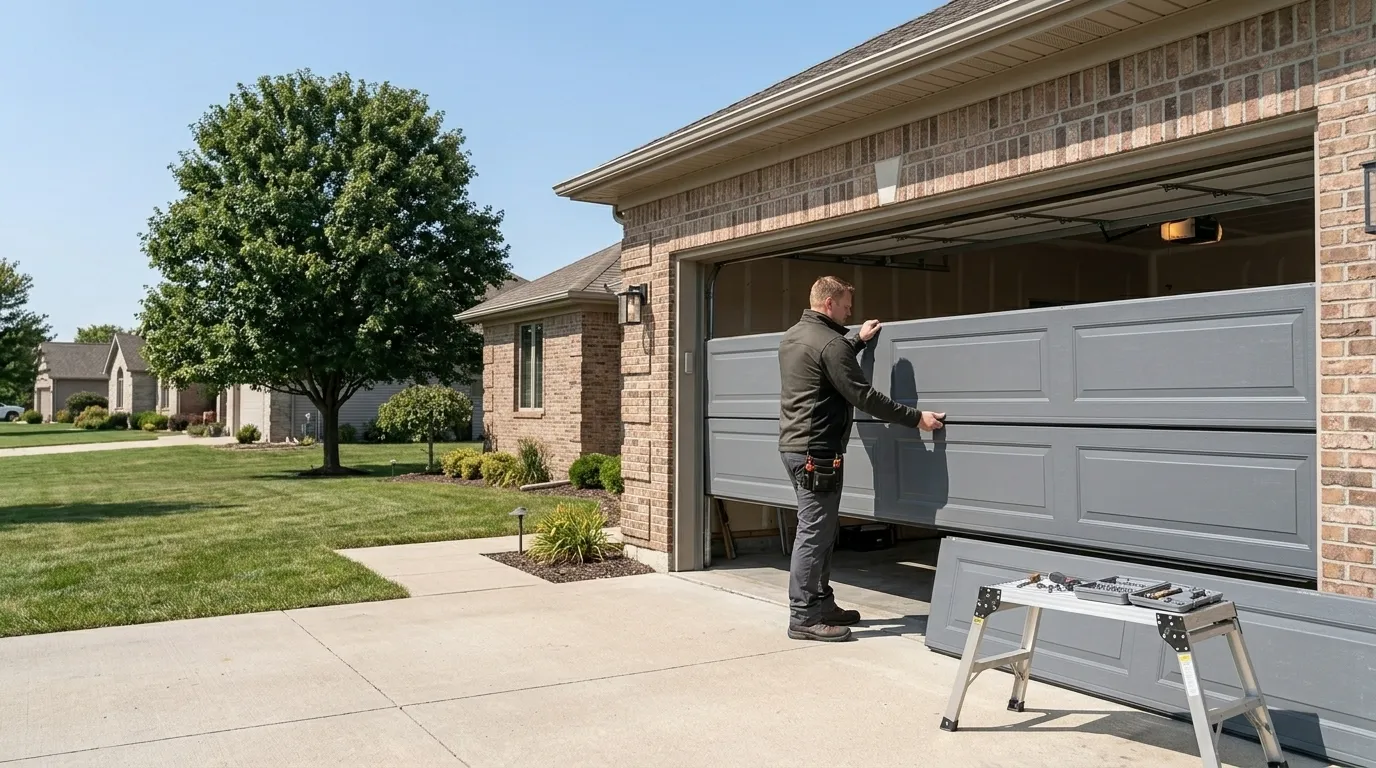
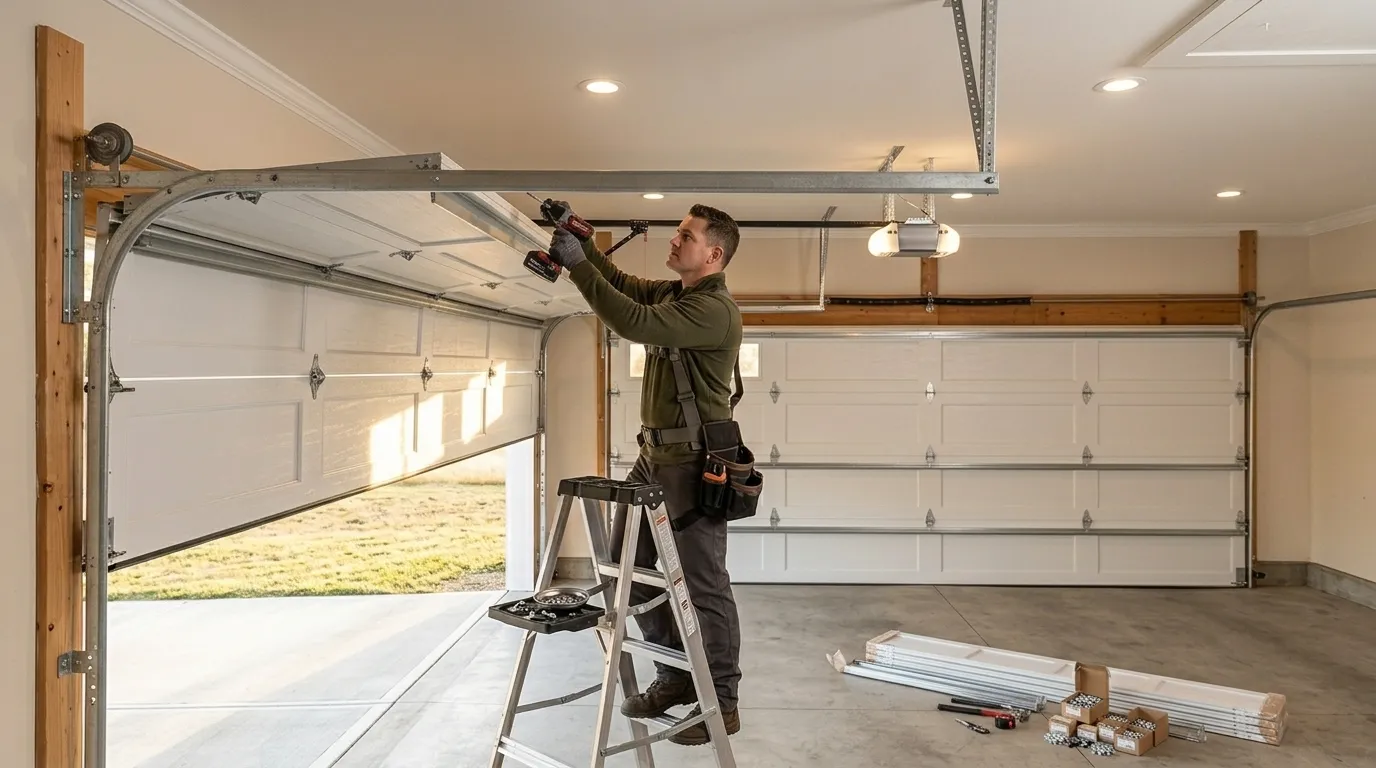
An installation is a full-day job in most cases: pull the old door and track, check the header and jamb for square, set new track and hardware, hang the new door, balance the spring, and run the opener through its full cycle before we call it done. If the opening is out of square - common enough in houses built in the 1980s where the framing has settled a little over 35-plus years - that adds time, because the track and seals need to fit the actual opening, not the one on paper. One honest limit: we don't stock every door style on the truck. Standard steel doors we can usually turn around fast, but a specific insulated or custom-window model may need to be special-ordered, and that lead time is on the manufacturer's schedule, not ours. We'll tell you upfront if your pick falls into that category so you're not waiting and wondering.
How it works
From “it’s stuck” to “it’s fixed”
01
Tell us what’s wrong
Describe the symptom - won’t open, loud bang, opener runs but the door won’t move.
02
On-site diagnosis
A technician tests the door under power and by hand and finds what actually failed.
03
Clear, up-front plan
You get the fix that’s needed and what drives the cost - before any work starts.
04
Repaired & tested
The repair is done, the door is set true and tested, and the work area left clean.
Serving Brownsville, TX - tell us what your door’s doing and we’ll take it from there.
Straight answers about garage door repair in Brownsville. Still unsure? Ask us directly.
How do I know if I need a new door instead of a repair?
If the spring has broken on a door that's already 25-plus years old, or the panels are dented and the track is bent out of shape, repair costs start stacking up fast for a door that's near the end of its life anyway. We'll tell you straight which side of that line your door is on before we quote anything.
Do older Brownsville homes need special work for a new door?
Sometimes. Houses built in the 1980s and 90s can have openings that have shifted slightly out of square over the years. We check that before hanging the new door so the track and seals actually fit, rather than forcing a standard door into an opening that's moved.
Does Brownsville's climate affect what door I should get?
The mild temperate climate here means you're not fighting freeze-related seal failure like colder regions do. Insulation still helps with heat and noise, but it's a comfort choice more than a durability necessity for most of the year.
How far out do you install?
We cover Brownsville and the surrounding communities, including Cameron Park, Los Fresnos, Rancho Viejo, and out to Port Isabel and South Padre Island. Distance from the shop can affect scheduling, so ask when you call.